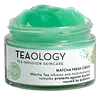
This calming moisturizer is formulated around Camellia Sinensis Leaf and Camellia Sinensis Leaf Extract to calm redness and hydrate skin.
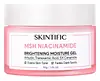
This brightening moisturizer is formulated around Niacinamide and Alpha-Arbutin to brighten dull-looking skin and fade the look of dark spots.


What's inside
What's inside
 Key Ingredients
Benefits
Concerns
Ingredients Side-by-side
Water
Skin ConditioningPropanediol
Solvent

Dimethicone
Emollient

Glycerin
Humectant
Camellia Sinensis Leaf
Perfuming




Cucumis Sativus Juice
EmollientCamellia Sinensis Leaf Extract
Antimicrobial


Ribes Nigrum Leaf Extract
Perfuming
Urea
Buffering

Chondrus Crispus Extract
Skin Conditioning
Allantoin
Skin Conditioning
Sodium PCA
Humectant
Trehalose
Humectant
Sodium Hyaluronate
Humectant
Acrylates/C10-30 Alkyl Acrylate Crosspolymer
Emulsion StabilisingPhenoxyethanol
Preservative
Parfum
Masking



Isoamyl Laurate
Emollient
Ammonium Acryloyldimethyltaurate/Vp Copolymer
Sodium Hydroxide
BufferingButyl Methoxydibenzoylmethane
UV Absorber
Ethylhexylglycerin
Skin ConditioningEthylhexyl Salicylate
UV Absorber
Pentylene Glycol
Skin Conditioning
Sodium Phytate
ChelatingHydrolyzed Wheat Protein
Skin ConditioningFructose
Humectant
Arginine
Masking
Proline
Skin Conditioning
Maltose
MaskingEuterpe Oleracea Fruit Extract
Hydrolyzed Soy Protein
Humectant
Glucose
Humectant
Sodium Benzoate
Masking
Caprylyl Glycol
Emollient
Serine
Masking
Sodium Chloride
MaskingSodium Lactate
Buffering
Xanthan Gum
EmulsifyingButylene Glycol
Humectant
Pectin
Emulsion StabilisingCitric Acid
Buffering
Potassium Sorbate
Preservative
Mica
Cosmetic ColorantCI 77492
Cosmetic ColorantTitanium Dioxide
Cosmetic Colorant
Water, Propanediol, Dimethicone, Glycerin, Camellia Sinensis Leaf, Cucumis Sativus Juice, Camellia Sinensis Leaf Extract, Ribes Nigrum Leaf Extract, Urea, Chondrus Crispus Extract, Allantoin, Sodium PCA, Trehalose, Sodium Hyaluronate, Acrylates/C10-30 Alkyl Acrylate Crosspolymer, Phenoxyethanol, Parfum, Isoamyl Laurate, Ammonium Acryloyldimethyltaurate/Vp Copolymer, Sodium Hydroxide, Butyl Methoxydibenzoylmethane, Ethylhexylglycerin, Ethylhexyl Salicylate, Pentylene Glycol, Sodium Phytate, Hydrolyzed Wheat Protein, Fructose, Arginine, Proline, Maltose, Euterpe Oleracea Fruit Extract, Hydrolyzed Soy Protein, Glucose, Sodium Benzoate, Caprylyl Glycol, Serine, Sodium Chloride, Sodium Lactate, Xanthan Gum, Butylene Glycol, Pectin, Citric Acid, Potassium Sorbate, Mica, CI 77492, Titanium Dioxide
Water
Skin ConditioningButylene Glycol
Humectant
Isononyl Isononanoate
EmollientGlycerin
Humectant
Niacinamide
Smoothing


Ceramide EOP
Skin Conditioning
Ceramide Ns
Skin Conditioning
Ceramide Ng
Skin Conditioning
Centella Asiatica Extract
Cleansing
Alpha-Arbutin
Antioxidant
Ceramide NP
Skin Conditioning
Tranexamic Acid
Astringent
Ceramide As
Skin Conditioning
Ceramide AP
Skin Conditioning
Limnanthes Alba Seed Oil
Skin Conditioning
Betaine
Humectant
Jojoba Esters
Emollient
Hydroxyacetophenone
Antioxidant
Panthenol
Skin Conditioning
1,2-Hexanediol
Skin Conditioning
Cetearyl Olivate
Cyclohexasiloxane
Emollient
Sorbitan Olivate
Emulsifying
Bis-PEG/PPG-20/5 PEG/PPG-20/5 Dimethicone
Emulsifying
Methoxy PEG/PPG-25/4 Dimethicone
Emulsifying
Acrylates/C10-30 Alkyl Acrylate Crosspolymer
Emulsion StabilisingDimethicone/Vinyl Dimethicone Crosspolymer
Skin Conditioning
Armillaria Matsutake Extract
Pentylene Glycol
Skin Conditioning
Saccharomyces Cerevisiae Extract
Skin Conditioning
Water, Butylene Glycol, Isononyl Isononanoate, Glycerin, Niacinamide, Ceramide EOP, Ceramide Ns, Ceramide Ng, Centella Asiatica Extract, Alpha-Arbutin, Ceramide NP, Tranexamic Acid, Ceramide As, Ceramide AP, Limnanthes Alba Seed Oil, Betaine, Jojoba Esters, Hydroxyacetophenone, Panthenol, 1,2-Hexanediol, Cetearyl Olivate, Cyclohexasiloxane, Sorbitan Olivate, Bis-PEG/PPG-20/5 PEG/PPG-20/5 Dimethicone, Methoxy PEG/PPG-25/4 Dimethicone, Acrylates/C10-30 Alkyl Acrylate Crosspolymer, Dimethicone/Vinyl Dimethicone Crosspolymer, Armillaria Matsutake Extract, Pentylene Glycol, Saccharomyces Cerevisiae Extract
Reviews
Ingredients Explained
These ingredients are found in both products.
Ingredients higher up in an ingredient list are typically present in a larger amount.
Acrylates/C10-30 Alkyl Acrylate Crosspolymer is a synthetic polymer. It is used to thicken, emulsify, and improve the texture of products.
As an emulsifier, it helps stabilize oil-in-water emulsions to give products an elegant feel when applied.
It can also form a thin protective film on skin. One study found that a formula using this polymer helped slow down how quickly other ingredients (like DEET) were absorbed through skin.
A 2024 study of over 1,300 patients confirmed that sensitization to this ingredient is rare. It is also non-mutagenic and has a clean track record.
Learn more about Acrylates/C10-30 Alkyl Acrylate CrosspolymerButylene Glycol (or BG) is used within cosmetic products for a few different reasons:
Overall, Butylene Glycol is a safe and well-rounded ingredient that works well with other ingredients.
Though this ingredient works well with most skin types, some people with sensitive skin may experience a reaction such as allergic rashes, closed comedones, or itchiness.
Learn more about Butylene GlycolGlycerin (or glycerol) is a compound naturally found in your skin. It's a powerhouse humectant that pulls water into the stratum corneum.
Topically, glycerin does several things at once:
Your skin makes glycerin on its own (mostly from sebaceous oil breakdown) and shuttles it to your outermost layer of skin, or your epidermis, via aquaporin-3.
Aquaporin-3 is a transporter that is essential for normal skin hydration, elasticity, and repair. Interestingly, mice lacking in AQP3 have dry and less elastic skin that can be fully corrected with glycerin.
This ingredient is non-irritating, plays well with almost every ingredient, and works across all skin types. Typical use is anywhere between 3-10% but can go up to 79% in some leave-on products.
Just know very high concentrations (>40%) can feel tacky in low humidity.
Glycerin is the name for this ingredient in American English. British English uses Glycerol/Glycerine.
Learn more about GlycerinPentylene Glycol (1,2-pentanediol) is a multitasking little diol with three main roles in a formula:
Research on alkanediols (the family pentylene glycol belongs to) show they work by disrupting microbial cell membranes. This disruption helps the primary preservative system in a product work more effectively at lower doses.
On the safety side, the Cosmetic Ingredient Review Expert Panel has concluded this ingredient to be safe as used in current cosmetic practices + concentrations.
Typical use levels in a formula run about 1-5%.
Learn more about Pentylene GlycolWater. It's the most common cosmetic ingredient of all. You'll usually see it at the top of ingredient lists, meaning that it makes up the largest part of the product.
So why is it so popular? Water most often acts as a solvent - this means that it helps dissolve other ingredients into the formulation.
You'll also recognize water as that liquid we all need to stay alive. If you see this, drink a glass of water. Remember to stay hydrated!
Learn more about Water

