

What's inside
What's inside
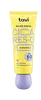 Key Ingredients
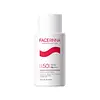
Benefits
Concerns
Ingredients Side-by-side
Water
Skin ConditioningDicaprylyl Carbonate
EmollientDicaprylyl Ether
Emollient
Ethylhexyl Triazone
UV Absorber
Silica
Abrasive


Diethylamino Hydroxybenzoyl Hexyl Benzoate
UV Filter
Dimethicone
Emollient

Titanium Dioxide
Cosmetic Colorant
Bis-Ethylhexyloxyphenol Methoxyphenyl Triazine
Skin Conditioning
C12-15 Alkyl Benzoate
AntimicrobialPropanediol
Solvent
Butylene Glycol
Humectant
Acrylates/Beheneth-25 Methacrylate Copolymer
Chlorphenesin
Antimicrobial
Glycerin
Humectant
Caprylic/Capric Triglyceride
Masking
Cetyl Palmitate
Emollient
Laureth-23
Cleansing
Methylene Bis-Benzotriazolyl Tetramethylbutylphenol
UV Filter
Steareth-100
Gel FormingAllantoin
Skin Conditioning

Disodium EDTA
Phenoxyethanol
Preservative
Sodium Hydroxide
BufferingCaprylhydroxamic Acid
Carbomer
Emulsion StabilisingBiosaccharide Gum-2
Skin ConditioningCentella Asiatica Extract
Cleansing

Madecassoside
Antioxidant
Pentylene Glycol
Skin Conditioning
Ubiquinone
Antioxidant
Artemisia Capillaris Flower Extract
Skin ConditioningCarnosine
Skin Conditioning
Hydrogenated Lecithin
Emulsifying
Cholesterol
Emollient
Tocopherol
Antioxidant


Water, Dicaprylyl Carbonate, Dicaprylyl Ether, Ethylhexyl Triazone, Silica, Diethylamino Hydroxybenzoyl Hexyl Benzoate, Dimethicone, Titanium Dioxide, Bis-Ethylhexyloxyphenol Methoxyphenyl Triazine, C12-15 Alkyl Benzoate, Propanediol, Butylene Glycol, Acrylates/Beheneth-25 Methacrylate Copolymer, Chlorphenesin, Glycerin, Caprylic/Capric Triglyceride, Cetyl Palmitate, Laureth-23, Methylene Bis-Benzotriazolyl Tetramethylbutylphenol, Steareth-100, Allantoin, Disodium EDTA, Phenoxyethanol, Sodium Hydroxide, Caprylhydroxamic Acid, Carbomer, Biosaccharide Gum-2, Centella Asiatica Extract, Madecassoside, Pentylene Glycol, Ubiquinone, Artemisia Capillaris Flower Extract, Carnosine, Hydrogenated Lecithin, Cholesterol, Tocopherol
Water
Skin ConditioningEthylhexyl Methoxycinnamate
UV Absorber
Dimethicone
Emollient
Diethylamino Hydroxybenzoyl Hexyl Benzoate
UV Filter
Phenylbenzimidazole Sulfonic Acid
UV Absorber
Niacinamide
Smoothing

Isohexadecane
EmollientBis-Ethylhexyloxyphenol Methoxyphenyl Triazine
Skin Conditioning
Methylene Bis-Benzotriazolyl Tetramethylbutylphenol
UV Filter
Glyceryl Stearate
Emollient
Behenyl Alcohol
Emollient
Cetearyl Olivate
Tapioca Starch
Polymethylsilsesquioxane
Sodium Hydroxide
BufferingHydroxyacetophenone
Antioxidant
PEG-100 Stearate
Surfactant
1,2-Hexanediol
Skin Conditioning
Sorbitan Olivate
Emulsifying
Triacontanyl Pvp
HumectantCarbomer
Emulsion StabilisingUrea
Buffering
Decyl Glucoside
Cleansing
Dimethicone/Vinyl Dimethicone Crosspolymer
Skin Conditioning
Bisabolol
Antioxidant
Squalane
Emollient
Propylene Glycol
Humectant

Xanthan Gum
EmulsifyingBHT
Antioxidant
Water, Ethylhexyl Methoxycinnamate, Dimethicone, Diethylamino Hydroxybenzoyl Hexyl Benzoate, Phenylbenzimidazole Sulfonic Acid, Niacinamide, Isohexadecane, Bis-Ethylhexyloxyphenol Methoxyphenyl Triazine, Methylene Bis-Benzotriazolyl Tetramethylbutylphenol, Glyceryl Stearate, Behenyl Alcohol, Cetearyl Olivate, Tapioca Starch, Polymethylsilsesquioxane, Sodium Hydroxide, Hydroxyacetophenone, PEG-100 Stearate, 1,2-Hexanediol, Sorbitan Olivate, Triacontanyl Pvp, Carbomer, Urea, Decyl Glucoside, Dimethicone/Vinyl Dimethicone Crosspolymer, Bisabolol, Squalane, Propylene Glycol, Xanthan Gum, BHT
Reviews
Ingredients Explained
These ingredients are found in both products.
Ingredients higher up in an ingredient list are typically present in a larger amount.
You might know this ingredient as Tinosorb S or Bemotrizinol. It is a UV filter that covers both UVA and UVB rays.
This ingredient has two peak UV absorption peaks ( 310 and 340 nm) and is able to absorb both UV-A and UV-B rays. This ingredient works by preventing UV rays from reaching and damaging your skin.
On top of that - it is highly photostable and helps prevent the photodegration of other sunscreen ingredients such as avobenzone.
Tinosorb S is allowed in the EU, Australia, and Asia. It is close to being approved by the FDA and we'll hopefully get this ingredient in the U.S. by late 2026.
Fun fact: Tinosorb S is the most effective UV absorber at maximum concentration (measured by SPF) permitted in the EU.
This ingredient is oil-soluble, so your oil-cleansers will take this right off at night.
Learn more about Bis-Ethylhexyloxyphenol Methoxyphenyl TriazineCarbomer is a high-molecular weight polymer of acrylic acid. It is used to form gels and thicken formulas.
Due to its large molecular size, carbomer has minimal skin penetration and is considered an inert ingredient.
A high amount of carbomer can cause pilling or balling up of products. Don't worry, most products contain 1% or less of carbomer.
Learn more about CarbomerDiethylamino Hydroxybenzoyl Hexyl Benzoate (DHHB) is a chemical UV-A absorber. It is formulated for high UVA protection (320-400 nm).
DHHB is well-liked for:
DHHB has been approved by the EU, Japan, Taiwan, and South America for use up to 10%. Unfortunately, it has not been approved for use in the US or Canada due to slow regulatory processes.
This ingredient is soluble in oils, fats, and lipids.
Learn more about Diethylamino Hydroxybenzoyl Hexyl BenzoateDimethicone is a type of synthetic silicone created from natural materials such as quartz. It is also known as polydimethylsiloxane.
What it does:
Dimethicone comes in different viscosities:
Depending on the viscosity, dimethicone has different properties.
Ingredients lists don't always show which type is used, so we recommend reaching out to the brand if you have questions about the viscosity.
This ingredient is unlikely to cause irritation because it does not get absorbed into skin. However, people with silicone allergies should be careful about using this ingredient.
Note: Dimethicone may contribute to pilling. This is because it is not oil or water soluble, so pilling may occur when layered with products. When mixed with heavy oils in a formula, the outcome is also quite greasy.
Learn more about DimethiconeMethylene Bis-Benzotriazolyl Tetramethylbutylphenol (Tinosorb M) is a hybrid and broad-spectrum UV ingredient. It is both a UV absorber and filter.
UV absorbers are an agent that absorbs UV rays. They protect your skin by using chemical reactions to convert UV rays into heat and energy. UV filters physically reduce the amount of UV rays from reaching your skin.
Tinosorb M covers a range of 280-400 nm and is photostable. This ingredient is neither oil or water soluble.
Tinosorb M is not available in the US. However, it is available in the EU and Asia.
It's sister, Tinosorb S, is set to be approved in the US by late 2025 (fingers crossed!).
Learn more about Methylene Bis-Benzotriazolyl TetramethylbutylphenolSodium Hydroxide is also known as lye or caustic soda. It is used to adjust the pH of products; many ingredients require a specific pH to be effective.
In small amounts, sodium hydroxide is considered safe to use. However, large amounts may cause chemical burns due to its high alkaline.
Your skin has a natural pH and acid mantle. This acid mantle helps prevent harmful bacteria from breaking through. The acid mantle also helps keep your skin hydrated.
"Alkaline" refers to a high pH level. A low pH level would be considered acidic.
Learn more about Sodium HydroxideWater. It's the most common cosmetic ingredient of all. You'll usually see it at the top of ingredient lists, meaning that it makes up the largest part of the product.
So why is it so popular? Water most often acts as a solvent - this means that it helps dissolve other ingredients into the formulation.
You'll also recognize water as that liquid we all need to stay alive. If you see this, drink a glass of water. Remember to stay hydrated!
Learn more about Water
