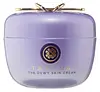
This barrier-repair moisturizer is formulated around Saccharomyces/Rice Ferment Filtrate and Squalane to strengthen the skin barrier and hydrate skin.
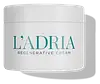
This barrier-repair moisturizer is formulated around Butyrospermum Parkii Butter to strengthen the skin barrier.

What's inside
What's inside
 Key Ingredients
Benefits
Concerns
Ingredients Side-by-side
Water
Skin ConditioningSaccharomyces/Rice Ferment Filtrate
Skin Conditioning


Glycerin
Humectant

Propanediol
Solvent
Dimethicone
Emollient
Squalane
Emollient
Diisostearyl Malate
EmollientBehenyl Alcohol
Emollient
Myristyl Myristate
Emollient


Dipentaerythrityl Hexahydroxystearate
EmulsifyingBis-Diglyceryl Polyacyladipate-2
Emollient
Tridecyl Trimellitate
EmollientInositol
Humectant
Sorbitan Tristearate
EmulsifyingBeheneth-20
EmulsifyingCamellia Sinensis Leaf Extract
Antimicrobial





Cladosiphon Okamuranus Extract
Skin Conditioning
Chondrus Crispus Extract
Skin Conditioning
Betaphycus Gelatinum Extract
BleachingOryza Sativa Bran Extract
Skin Conditioning
Panax Ginseng Root Extract
Emollient
Origanum Majorana Leaf Extract
AntiseborrhoeicThymus Serpyllum Extract
Skin ConditioningMalva Sylvestris Flower Extract
Skin ConditioningSodium Hyaluronate
Humectant
Gold
Cosmetic ColorantSericin
Skin ConditioningPhytosteryl Macadamiate
Skin Conditioning
Tocopherol
Antioxidant

Hydroxyethyl Acrylate/Sodium Acryloyldimethyl Taurate Copolymer
Emulsion StabilisingSorbitan Isostearate
Emulsifying
Polysorbate 60
Emulsifying
Butylene Glycol
Humectant
Dimethicone/Vinyl Dimethicone Crosspolymer
Skin Conditioning
Sodium Benzoate
Masking
Gluconolactone
Skin Conditioning


Ethylhexylglycerin
Skin ConditioningParfum
Masking


Alcohol
Antimicrobial

Phenoxyethanol
Preservative
Citral
Perfuming
Limonene
Perfuming
Linalool
Perfuming
Mica
Cosmetic ColorantTin Oxide
Abrasive
CI 77891
Cosmetic ColorantCI 60725
Cosmetic ColorantWater, Saccharomyces/Rice Ferment Filtrate, Glycerin, Propanediol, Dimethicone, Squalane, Diisostearyl Malate, Behenyl Alcohol, Myristyl Myristate, Dipentaerythrityl Hexahydroxystearate, Bis-Diglyceryl Polyacyladipate-2, Tridecyl Trimellitate, Inositol, Sorbitan Tristearate, Beheneth-20, Camellia Sinensis Leaf Extract, Cladosiphon Okamuranus Extract, Chondrus Crispus Extract, Betaphycus Gelatinum Extract, Oryza Sativa Bran Extract, Panax Ginseng Root Extract, Origanum Majorana Leaf Extract, Thymus Serpyllum Extract, Malva Sylvestris Flower Extract, Sodium Hyaluronate, Gold, Sericin, Phytosteryl Macadamiate, Tocopherol, Hydroxyethyl Acrylate/Sodium Acryloyldimethyl Taurate Copolymer, Sorbitan Isostearate, Polysorbate 60, Butylene Glycol, Dimethicone/Vinyl Dimethicone Crosspolymer, Sodium Benzoate, Gluconolactone, Ethylhexylglycerin, Parfum, Alcohol, Phenoxyethanol, Citral, Limonene, Linalool, Mica, Tin Oxide, CI 77891, CI 60725
Water
Skin ConditioningButyrospermum Parkii Butter
Skin Conditioning
Caprylic/Capric/Succinic Triglyceride
EmollientPentylene Glycol
Skin Conditioning
Betaine
Humectant
Coco-Caprylate
Emollient
Caprylic/Capric Triglyceride
Masking
Glyceryl Stearate Citrate
Emollient
Undecane
EmollientDipalmitoyl Hydroxyproline
Skin Conditioning
Algae Extract
Emollient
Arachidyl Alcohol
Emollient
Soluble Collagen
Humectant
Glyceryl Stearate
Emollient
Tridecane
Perfuming
Behenyl Alcohol
Emollient
Tocopheryl Acetate
Antioxidant
Arachidyl Glucoside
EmulsifyingCarnosine
Skin Conditioning
Tocopherol
Antioxidant
Xanthan Gum
EmulsifyingAdenosine
Skin Conditioning
Allantoin
Skin Conditioning
Sodium Hyaluronate
Humectant
Sodium Phytate
Citric Acid
Buffering
Sodium Benzoate
Masking
Potassium Sorbate
Preservative
Water, Butyrospermum Parkii Butter, Caprylic/Capric/Succinic Triglyceride, Pentylene Glycol, Betaine, Coco-Caprylate, Caprylic/Capric Triglyceride, Glyceryl Stearate Citrate, Undecane, Dipalmitoyl Hydroxyproline, Algae Extract, Arachidyl Alcohol, Soluble Collagen, Glyceryl Stearate, Tridecane, Behenyl Alcohol, Tocopheryl Acetate, Arachidyl Glucoside, Carnosine, Tocopherol, Xanthan Gum, Adenosine, Allantoin, Sodium Hyaluronate, Sodium Phytate, Citric Acid, Sodium Benzoate, Potassium Sorbate
Reviews
Ingredients Explained
These ingredients are found in both products.
Ingredients higher up in an ingredient list are typically present in a larger amount.
Behenyl Alcohol is a type of fatty alcohol (these are different from the drying, solvent alcohols).
Fatty Alcohols have hydrating properties and are most often used as an emollient or to thicken a product. They are usually derived from natural fats and oils; behenyl alcohol is derived from the fats of vegetable oils.
Emollients help keep your skin soft and hydrated by creating a film that traps moisture in.
In 2000, Behenyl Alcohol was approved by the US as medicine to reduce the duration of cold sores.
Learn more about Behenyl AlcoholSodium Benzoate is a preservative. It's used in both cosmetic and food products to inhibit the growth of mold and bacteria. It is typically produced synthetically.
Both the US FDA and EU Health Committee have approved the use of sodium benzoate. In the US, levels of 0.1% (of the total product) are allowed.
Sodium benzoate works as a preservative by inhibiting the growth of bacteria inside of cells. It prevents the cell from fermenting a type of sugar using an enzyme called phosphofructokinase.
It is the salt of benzoic acid. Foods containing sodium benzoate include soda, salad dressings, condiments, fruit juices, wines, and snack foods.
Studies for using ascorbic acid and sodium benzoate in cosmetics are lacking, especially in skincare routines with multiple steps.
We always recommend speaking with a professional, such as a dermatologist, if you have any concerns.
Learn more about Sodium BenzoateSodium Hyaluronate is the salt form of hyaluronic acid. It is a long sugar chain that is naturally found in your skin, joints, and connective tissue that maintains hydration and elasticity.
In skincare, it works as a humectant. It pulls water from the environment and deeper layers of skin and binds it to the surface.
Interestingly, the size of the molecule affects its behavior:
Some clinical evidence links low molecular weight versions to improved wrinkle depth, elasticity, anti-inflammatory effects, and barrier repair.
Many serums use a blend of both weights so you can get surface hydration plus longer-lasting and deeper effects.
You'll typically see concentrations between 0.1-2% for this ingredient.
Learn more about Sodium HyaluronateTocopherol is a fat-soluble antioxidant known as Vitamin E.
You'll find this ingredient in the vast majority of skincare (for good reason). It works to neutralize free radicals, or unstable molecules generated by UV exposure, pollution, and other environmental stressors, before they can cause oxidative damage to your skin cells.
Topically applied tocopherol has been shown to protect against UV damage by ramping up the skin's own natural defense enzymes.
It also acts as a skin conditioning agent; some studies show that regular topical use can improve the skin's water-binding capacity over 2-4 weeks.
This ingredient is especially loved for being a team player. When combined with Vitamin C, the photoprotective effect of both ingredients roughly doubles and the combo also helps reduce UV-induced DNA damage.
This ingredient has some brightening potential but it's more of a prevention ingredient than spot-fader. Cell studies show it can slow down melanin production but it's worth noting that it's not the most powerful brightener out there.
In formulations, it also serves as a stabilizer that helps protect other oxidation-prone ingredients from degrading.
Concentrations usually range from 0.1-1% in most leave-on products.
Learn more about TocopherolWater. It's the most common cosmetic ingredient of all. You'll usually see it at the top of ingredient lists, meaning that it makes up the largest part of the product.
So why is it so popular? Water most often acts as a solvent - this means that it helps dissolve other ingredients into the formulation.
You'll also recognize water as that liquid we all need to stay alive. If you see this, drink a glass of water. Remember to stay hydrated!
Learn more about Water

