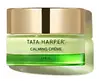
This calming moisturizer is formulated around Bisabolol and Avena Sativa Kernel Oil to calm redness and strengthen the skin barrier.
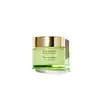
This wash off mask is formulated around Lactic Acid to exfoliate and smooth skin.

What's inside
What's inside
 Key Ingredients
Benefits
Concerns
Ingredients Side-by-side
Calendula Officinalis Flower/Leaf/Stem Juice
Skin ConditioningCoco-Caprylate/Caprate
Emollient
Cellulose
Absorbent
Glycerin
Humectant


C15-19 Alkane
SolventCetearyl Alcohol
Emollient





Ethylhexyl Olivate
Skin Conditioning
Betaine
Humectant
Phytosterols
Skin Conditioning
Polyglyceryl-2 Stearate
Emulsifying
Triheptanoin
Skin ConditioningWater
Skin ConditioningGlyceryl Stearate
Emollient
Stearyl Alcohol
Emollient
Saccharide Isomerate
Humectant
Bisabolol
Antioxidant
Sea Water
HumectantLaminaria Digitata Extract
Skin Protecting
Chlorella Vulgaris Extract
Skin ConditioningPlankton Extract
Skin ConditioningTasmannia Lanceolata Fruit/Leaf Extract
Antioxidant
Squalane
Emollient
Pyrus Malus Seed Oil
Emollient
Vitis Vinifera Seed Oil
Emollient
Avena Sativa Kernel Oil
Skin Conditioning
Borago Officinalis Leaf Extract
Skin ConditioningMedicago Sativa Extract
TonicCalendula Officinalis Flower Extract
Masking
Lavandula Angustifolia Extract
Skin Conditioning

Chamomilla Recutita Flower Extract
Masking
Helianthus Annuus Seed Oil
Emollient
Caprylyl Glycol
Emollient
Propanediol
Solvent
Glyceryl Caprylate
EmollientTocopherol
Antioxidant


C9-12 Alkane
SolventDilinoleic Acid/Butanediol Copolymer
Castor Oil/Ipdi Copolymer
Caprylic/Capric Triglyceride
Masking
Alcohol
Antimicrobial

Citric Acid
Buffering
Sodium Citrate
BufferingPhenethyl Alcohol
MaskingSodium Phytate
ChelatingCalendula Officinalis Flower/Leaf/Stem Juice, Coco-Caprylate/Caprate, Cellulose, Glycerin, C15-19 Alkane, Cetearyl Alcohol, Ethylhexyl Olivate, Betaine, Phytosterols, Polyglyceryl-2 Stearate, Triheptanoin, Water, Glyceryl Stearate, Stearyl Alcohol, Saccharide Isomerate, Bisabolol, Sea Water, Laminaria Digitata Extract, Chlorella Vulgaris Extract, Plankton Extract, Tasmannia Lanceolata Fruit/Leaf Extract, Squalane, Pyrus Malus Seed Oil, Vitis Vinifera Seed Oil, Avena Sativa Kernel Oil, Borago Officinalis Leaf Extract, Medicago Sativa Extract, Calendula Officinalis Flower Extract, Lavandula Angustifolia Extract, Chamomilla Recutita Flower Extract, Helianthus Annuus Seed Oil, Caprylyl Glycol, Propanediol, Glyceryl Caprylate, Tocopherol, C9-12 Alkane, Dilinoleic Acid/Butanediol Copolymer, Castor Oil/Ipdi Copolymer, Caprylic/Capric Triglyceride, Alcohol, Citric Acid, Sodium Citrate, Phenethyl Alcohol, Sodium Phytate
Diglycerin
Humectant
Calendula Officinalis Flower/Leaf/Stem Juice
Skin ConditioningPropanediol
Solvent
Cetearyl Olivate
Water
Skin ConditioningSorbitan Olivate
Emulsifying
Lactic Acid
Buffering

Lactobacillus Ferment
Skin Conditioning
Leuconostoc Ferment Filtrate
AntimicrobialPhytic Acid
Chelating
Saccharide Isomerate
Humectant
Kaolin
Abrasive

Alpha-Glucan Oligosaccharide
Cleansing
Passiflora Edulis Seed Oil
Emollient
Lavandula Angustifolia Extract
Skin Conditioning
Chamomilla Recutita Flower Extract
Masking
Borago Officinalis Leaf Extract
Skin ConditioningCalendula Officinalis Flower Extract
Masking
Medicago Sativa Extract
TonicHelianthus Annuus Seed Oil
Emollient
Citric Acid
Buffering
Sodium Hydroxide
BufferingSodium Citrate
BufferingDiglycerin, Calendula Officinalis Flower/Leaf/Stem Juice, Propanediol, Cetearyl Olivate, Water, Sorbitan Olivate, Lactic Acid, Lactobacillus Ferment, Leuconostoc Ferment Filtrate, Phytic Acid, Saccharide Isomerate, Kaolin, Alpha-Glucan Oligosaccharide, Passiflora Edulis Seed Oil, Lavandula Angustifolia Extract, Chamomilla Recutita Flower Extract, Borago Officinalis Leaf Extract, Calendula Officinalis Flower Extract, Medicago Sativa Extract, Helianthus Annuus Seed Oil, Citric Acid, Sodium Hydroxide, Sodium Citrate
Ingredients Explained
These ingredients are found in both products.
Ingredients higher up in an ingredient list are typically present in a larger amount.
Borago Officinalis Leaf Extract is from the starflower plant. This plant grows primarily in Europe.
Borago Officinalis Leaf Extract is an antioxidant. Antioxidants help fight free-radicals. Free-radicals are molecules that may damage your skin cells.
Calendula Officinalis Flower Extract comes from the marigold flower and has been used on skin for centuries for its calming effect.
In the lab, its active compounds appear to calm inflammation and support the early "healing" phase of minor wounds.
This is why Europe's medicines regulator has approved calendula extracts as a traditional remedy for minor skin inflammation and healing small wounds.
The stronger human evidence is around would/ulcer care rather than everyday cosmetic claims; a review that pulled together 14 studies found that calendula helped calm the early, inflamed stage of a wound and helped new skin tissue form faster.
Two studies also showed it shrank leg ulcers (the kind caused by poor circulation). Results were mixed for burns and for the skin irritation people get from radiation treatment, so it's not a sure thing there.
In cosmetics, it's mostly a skin conditioning and soothing agent.
The Cosmetic Ingredient Review panel concluded that calendula-derived ingredients are safe as used and that the ingredients are not irritating, sensitizing, or photosensitizing in clinical tests (though they may be mild eye irritants).
Typical use levels are quite low; industry data reported it used at under 0.5% (one supplier noted a 10-25% extract blend used at 1-10% in the finished product). Historical use goes up to 10%.
The only thing to keep in mind is if you have daisy/ragweed allergies. Calendula is in the same family and one patch-test study found 2% of dermatitis patients reacted to marigold. Be sure to patch test if you have sensitive or allergy-prone skin.
Learn more about Calendula Officinalis Flower ExtractWe don't have a description for Calendula Officinalis Flower/Leaf/Stem Juice yet.
Chamomilla Recutita Flower Extract comes from the Chamomile flower.
Chamomile is rich in antioxidants and has anti-inflammatory properties. Several compounds found in chamomile help with soothing, such as bisbolol.
Antioxidant components in chamomile make it an effective ingredient to help slow the signs of aging. Antioxidants help fight free-radical molecules, or molecules that may damage your skin.
Essential oils from chamomile have been found to improve wound healing due to its antimicrobial properties.
Ancient Greeks and Egyptians used Chamomile to treat skin redness and dryness. Chamomile has also been used to help treat stomach issues.
Learn more about Chamomilla Recutita Flower ExtractCitric Acid is an alpha hydroxy acid (AHA) naturally found in citrus fruits like oranges, lemons, and limes.
Like other AHAs, citric acid can exfoliate skin by breaking down the bonds that hold dead skin cells together. This helps reveal smoother and brighter skin underneath.
However, this exfoliating effect only happens at high concentrations (20%) which can be hard to find in cosmetic products.
Due to this, citric acid is usually included in small amounts as a pH adjuster. This helps keep products slightly more acidic and compatible with skin's natural pH.
In skincare formulas, citric acid can:
While it can provide some skin benefits, research shows lactic acid and glycolic acid are generally more effective and less irritating exfoliants.
Most citric acid used in skincare today is made by fermenting sugars (usually from molasses). This synthetic version is identical to the natural citrus form but easier to stabilize and use in formulations.
Rosacea skin has a lower threshold for acids generally, with 62.5% of rosacea subjects in one study reacting to lactic acid in a sting test. This is why we mark citric acid as a potential rosacea trigger.
However, this ingredient shows up as a pH adjuster or chelator at roughly 0.1-1% in many products. These low levels are unlikely to be an issue for rosacea skin and becomes a potential trigger at exfoliating concentrations (20%). Because everybody's skin is unique, we recommend a patch test if you are unsure.
Learn more about Citric AcidHelianthus Annuus Seed Oil is a plant oil derived from the seeds of a sunflower.
It is rich in fatty acids, primarily linoleic acid and oleic acid. This gives it emollient and skin conditioning properties.
The reason this ingredient is so effective is because it forms a thin film on the skin that reduces transepidermal water loss (TEWL) while supplying linoleic acid to the stratum corneum to improve barrier strength.
The high linoleic acid content is particularly noteworthy for acne-prone skin.
Research suggests that acne-prone skin tends to be deficient in linoleic acid in sebum. Topical application may help replenish this to support a healthier follicular environment and less comedone-promoting sebum.
One randomized study found sunflower seed oil preserved skin barrier integrity in adult volunteers with and without atopic dermatitis (outperforming olive oil).
This ingredient is well-studied, gentle, and an effective emollient suitable for most skin types.
On fungal acne: This ingredient may not be Fungal acne (Malassezia folliculitis) safe. This is because it contains fatty acids with carbon chain lengths in the C11-C24 range.
Learn more about Helianthus Annuus Seed OilLavandula Angustifolia Extract comes from the flowers and leaves of the lavender plant. It's mostly used in skincare for its scent plus a bit of skin conditioning properties.
Lab research credits it with soothing, antioxidant, and wound-supporting effects. This is largely thanks to a compound called rosmarinic acid.
Rosmarinic acid has been shown to calm inflammation signaling in skin cells (the same pathways that flare up in conditions like eczema and psoriasis). It also has real antimicrobial and antifungal activity in test-tube studies.
This ingredient is typically used in low concentrations (generally well under 1%) where it acts as a light fragrance + mild skin soother extract.
The main thing to know is that lavender contains two naturally fragrant molecules: Linalool and Linalyl Acetate. Some people's skin does perfectly fine with fragrance while others don't.
Just be sure to patch test if you have reactive skin or known plant allergies.
Linalool and Linalyl Acetate are gentle when fresh but oxidize into compounds that can cause allergic contact dermatitis when exposed to air. Patch-test studies of patients already being investigated for skin allergies found about 5-7% of patients had reactions to oxidized linalool, and 2.8% of patients reacted to oxidized lavender oil.
Learn more about Lavandula Angustifolia ExtractMedicago Sativa Extract is derived from Alfalfa. It contains antioxidants. Antioxidants help fight free-radicals. Free-radicals are molecules that may damage your skin cells, such as pollution.
Alfalfa is also known as lucerne in the UK, South Africa, and the oceania countries. Ancient Greece and Rome used this plant to feed livestock.
Propanediol is an all-star ingredient. It softens, hydrates, and smooths the skin.
It’s often used to:
Propanediol is not likely to cause sensitivity and considered safe to use. It is derived from corn or petroleum with a clear color and no scent.
Learn more about PropanediolSaccharide Isomerate comes from sugars found in corn. It is a skin hydrator.
The structure of this ingredient can be altered to be more similar to the carbohydrates found in our skin. This ability to mimic our skin gives it hydrating properties.
Specifically, saccharide Isomerate is a humectant. Humectants draw moisture from the air to our skin.
Research shows Saccharide Isomerate to be an effective moisturizer.
Learn more about Saccharide IsomerateSodium Citrate is the sodium salts of citric acid. In skincare, it is used to alter pH levels and acts as a preservative.
Its main functions are to maintain the pH of a product and neutralize metal ions.
The acidity of our skin is maintained by our glands and skin biome; normal pH level of skin is slightly acidic (~4.75-5.5).
Being slightly acidic allows our skin to create an "acid mantle". This acid mantle is a thin barrier that protects our skin from bacteria and contaminants.
Learn more about Sodium CitrateWater. It's the most common cosmetic ingredient of all. You'll usually see it at the top of ingredient lists, meaning that it makes up the largest part of the product.
So why is it so popular? Water most often acts as a solvent - this means that it helps dissolve other ingredients into the formulation.
You'll also recognize water as that liquid we all need to stay alive. If you see this, drink a glass of water. Remember to stay hydrated!
Learn more about Water

