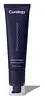
This chemical sunscreen covers most of the UV range, lighter on the deep UVA that drives aging.
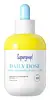
This hybrid sunscreen covers the full UV range and blocks ~97% of UVB at SPF 30.

What's inside
What's inside
 Key Ingredients
Benefits
Concerns
Ingredients Side-by-side
Butyl Methoxydibenzoylmethane 2%
UV Absorber
Homosalate 9%
Skin Conditioning
Ethylhexyl Salicylate 5%
UV Absorber
Octocrylene 10%
UV Absorber

Caprylic/Capric Triglyceride
Masking


C12-15 Alkyl Benzoate
AntimicrobialDicaprylyl Ether
Emollient
Butyloctyl Salicylate
Skin Conditioning
Polybutene
Ethyl Olivate
Emollient

Rosa Canina Seed Oil
Emollient
Jojoba Oil/Macadamia Seed Oil Esters
Skin Conditioning
Hydrogenated Polycyclopentadiene
Squalane
Emollient
Glycine Soja Oil
Emollient



Simmondsia Chinensis Seed Oil
Emollient
Squalene
Emollient
Polyglyceryl-3 Diisostearate
Emulsifying
Tocopherol
Antioxidant



Oryza Sativa Extract
Absorbent
Oryza Sativa Germ Extract
EmollientAvena Sativa Kernel Oil
Skin Conditioning
Phytosteryl Macadamiate
Skin Conditioning
Ceramide NP
Skin Conditioning
Olea Europaea Leaf Extract
Perfuming
Bacillus Ferment
Skin Conditioning
Phytosterols
Skin Conditioning
Ricinus Communis Seed Oil
Masking
Sodium Hyaluronate
Humectant
Helianthus Annuus Seed Wax
Skin Conditioning
Butyl Methoxydibenzoylmethane 2%, Homosalate 9%, Ethylhexyl Salicylate 5%, Octocrylene 10%, Caprylic/Capric Triglyceride, C12-15 Alkyl Benzoate, Dicaprylyl Ether, Butyloctyl Salicylate, Polybutene, Ethyl Olivate, Rosa Canina Seed Oil, Jojoba Oil/Macadamia Seed Oil Esters, Hydrogenated Polycyclopentadiene, Squalane, Glycine Soja Oil, Simmondsia Chinensis Seed Oil, Squalene, Polyglyceryl-3 Diisostearate, Tocopherol, Oryza Sativa Extract, Oryza Sativa Germ Extract, Avena Sativa Kernel Oil, Phytosteryl Macadamiate, Ceramide NP, Olea Europaea Leaf Extract, Bacillus Ferment, Phytosterols, Ricinus Communis Seed Oil, Sodium Hyaluronate, Helianthus Annuus Seed Wax
Zinc Oxide 9.4%
Cosmetic Colorant
Water
Skin ConditioningDimethicone
Emollient
Propylene Glycol
Humectant
C12-15 Alkyl Benzoate
AntimicrobialSorbitan Oleate Decylglucoside Crosspolymer
CleansingCetearyl Alcohol
Emollient
Argania Spinosa Kernel Oil
Emollient
Ammonium Acryloyldimethyltaurate/Vp Copolymer
Tocopheryl Acetate
Antioxidant
Glycerin
Humectant
Squalane
Emollient
Butyrospermum Parkii Butter Extract
Skin Conditioning
Polyester-5
Caprylyl/Capryl Glucoside
CleansingCoco-Glucoside
Cleansing
C14-22 Alcohols
Emulsion Stabilising
Hydroxyethyl Acrylate/Sodium Acryloyldimethyl Taurate Copolymer
Emulsion StabilisingTriethoxycaprylylsilane
Ethyl Ferulate
Antioxidant
C12-20 Alkyl Glucoside
EmulsifyingBisabolol
Antioxidant
Sodium Chloride
MaskingPhospholipids
Skin Conditioning
Gluconolactone
Chelating



Benzyl Alcohol
Perfuming



Sodium Benzoate
Masking
Chlorphenesin
Antimicrobial
Sorbic Acid
Preservative
Urea
Buffering
Phenoxyethanol
Preservative
Ethylhexylglycerin
Skin ConditioningZinc Oxide 9.4%, Water, Dimethicone, Propylene Glycol, C12-15 Alkyl Benzoate, Sorbitan Oleate Decylglucoside Crosspolymer, Cetearyl Alcohol, Argania Spinosa Kernel Oil, Ammonium Acryloyldimethyltaurate/Vp Copolymer, Tocopheryl Acetate, Glycerin, Squalane, Butyrospermum Parkii Butter Extract, Polyester-5, Caprylyl/Capryl Glucoside, Coco-Glucoside, C14-22 Alcohols, Hydroxyethyl Acrylate/Sodium Acryloyldimethyl Taurate Copolymer, Triethoxycaprylylsilane, Ethyl Ferulate, C12-20 Alkyl Glucoside, Bisabolol, Sodium Chloride, Phospholipids, Gluconolactone, Benzyl Alcohol, Sodium Benzoate, Chlorphenesin, Sorbic Acid, Urea, Phenoxyethanol, Ethylhexylglycerin
Ingredients Explained
These ingredients are found in both products.
Ingredients higher up in an ingredient list are typically present in a larger amount.
C12-15 Alkyl Benzoate is a lightweight emollient made by combinig benzoic acid with fatty alcohols that are 12-15 carbons long.
In cosmetics, it plays several roles:
The Cosmetic Review Expert Panel has concluded the alkyl benzoate group to be safe as used in cosmetics; it wasn't found to be a skin irritant and unlikely to be absorbed due to its low water solubility.
This report recorded almost 1000 reported uses with concentrations up to 59% in leave-on products but your cosmetics will typically use 0.5-15% depending on the product.
It's often called a "SPF booster": this is because it keeps UV filters properly dissolved and evenly distributed to support a sunscreen's performance. It doesn't actually raise SPF on its own.
Overall, this ingredient is well tolerated.
This ingredient is fungal acne safe because it is an ester of benzoic acid.
Think of this ingredient as two parts stuck together: an oily part and an acid part. Malassezia only gets a meal when it can snip off a fatty acid to eat. With C12-15 Alkyl Benzoate, the acid part is benzoic acid, which isn't a fatty acid and which the yeast can't use as food.
Benzoic acid is actually used as a preservative to stop yeast from growing.
The oily part is a blend of C12-15 fatty alcohols but fatty alcohols in this size range can support only a little Malassezia growth (mostly for one species of Malassezia as well).
In the ingredient, those alcohols stay locked inside the molecule. The yeast can only reach them by snipping the benzoate bond, and that type of bond is harder for it to cut than a normal fatty bond.
So not much gets released. And whatever does get snipped comes packaged with benzoic acid, which discourages yeast growth.
Learn more about C12-15 Alkyl BenzoateSqualane is the hydrogenated and shelf-stable form of squalene (a lipid that naturally occurs in human sebum).
It is an emollient and skin conditioning agent that is able to integrate seamlessly into the skin's lipid barrier without clogging pores.
This is due to how structurally similar it is to what your skin already produces.
Though it is mostly an emollient that helps soften and hydrate skin, it also has some humectant and occlusive action. Humectants help the skin retain moisture while occlusives seal it in, making squalane a triple-threat moisturizer.
Research shows it has antioxidant capabilities that help protect against stressors like UV exposure, specifically UVA induced oxidative stress. This study also found that it supports collagen biosynthesis in human dermal fibroblasts.
No clinical study has reported significant adverse effects and irritation reactions are very rare from this ingredient (even at 100% concentration).
Overall, it's a fantastic ingredient for hydration and is suitable for all skin types.
This depends on the source. Squalane can be derived from both plants and animals. Most squalane used in skincare comes from plants.
Please note: the source of squalane is only known if disclosed by the brand. We recommend reaching out to the brand if you have any questions about their squalane.
Read more about squalene with an "e".
Though squalane is often called an oil, it’s technically not one. It is a hydrocarbon, meaning it is only made of carbon and hydrogen. True oils are triglycerides and made of fatty acids and glycerol.
The term “oil-free” isn’t regulated so companies can define it however they want. Some exclude all oils, while others just avoid mineral oil or comedogenic oils.
Squalane has a comedogenic rating of 1 from the original 1972 study that tested raw ingredients under occlusion on rabbit ears. This system is not standardized or peer-reviewed, and using the raw ingredients is very different from how diluted cosmetic formulations are used on human skin.
A comedogenic rating of 1 means it is "unlikely to clog pores" according to the original rating system.
The overall formula of a product matters more than the individual ingredients on whether or not it will cause clogged pores.
Learn more about Squalane

