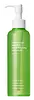
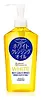
Sungboon Editor Green Tomato Deep Pore Double Cleansing Ampoule Oil Versus Kosé Softymo White Cleansing Oil
This oil-based makeup remover is made to dissolve makeup, sunscreen, and daily buildup.
This oil-based cleanser is mild enough to cleanse without leaving skin feeling tight or stripped.


What's inside
What's inside
 Key Ingredients
Benefits
Concerns
Ingredients Side-by-side
Ethylhexyl Palmitate
Emollient




Isopropyl Myristate
Emollient
Sorbeth-30 Tetraoleate
Emulsifying
C12-14 Alketh-12
EmulsifyingSolanum Lycopersicum Fruit Extract
Antioxidant
Melia Azadirachta Leaf Extract
Skin ConditioningMelia Azadirachta Flower Extract
Skin ConditioningCitrus Aurantium Bergamia Fruit Oil
Masking


Coccinia Indica Fruit Extract
Skin Conditioning

Simmondsia Chinensis Seed Oil
Emollient


Amber Powder
Solanum Melongena Fruit Extract
Skin ConditioningOcimum Sanctum Leaf Extract
Skin ConditioningCurcuma Longa Root Extract
Antioxidant
Corallina Officinalis Extract
Skin Conditioning
Moringa Oleifera Seed Oil
Emollient
Sodium Chloride
MaskingUndaria Pinnatifida Extract
Skin ConditioningSodium Hyaluronate
Humectant

Xanthium Strumarium Fruit Extract
Skin ConditioningPinus Palustris Leaf Extract
TonicUlmus Davidiana Root Extract
Skin Conditioning
Oenothera Biennis Flower/Leaf/Stem Extract
Skin ConditioningPueraria Lobata Root Extract
HumectantHydrolyzed Hyaluronic Acid
Humectant
Hydroxypropyltrimonium Hyaluronate
Sodium Acetylated Hyaluronate
Humectant
Water
Skin ConditioningButylene Glycol
Humectant
1,2-Hexanediol
Skin Conditioning
Coco-Betaine
Cleansing
Ethylhexylglycerin
Skin ConditioningEthylhexyl Palmitate, Isopropyl Myristate, Sorbeth-30 Tetraoleate, C12-14 Alketh-12, Solanum Lycopersicum Fruit Extract, Melia Azadirachta Leaf Extract, Melia Azadirachta Flower Extract, Citrus Aurantium Bergamia Fruit Oil, Coccinia Indica Fruit Extract, Simmondsia Chinensis Seed Oil, Amber Powder, Solanum Melongena Fruit Extract, Ocimum Sanctum Leaf Extract, Curcuma Longa Root Extract, Corallina Officinalis Extract, Moringa Oleifera Seed Oil, Sodium Chloride, Undaria Pinnatifida Extract, Sodium Hyaluronate, Xanthium Strumarium Fruit Extract, Pinus Palustris Leaf Extract, Ulmus Davidiana Root Extract, Oenothera Biennis Flower/Leaf/Stem Extract, Pueraria Lobata Root Extract, Hydrolyzed Hyaluronic Acid, Hydroxypropyltrimonium Hyaluronate, Sodium Acetylated Hyaluronate, Water, Butylene Glycol, 1,2-Hexanediol, Coco-Betaine, Ethylhexylglycerin
Paraffinum Liquidum
Emollient
Cyclomethicone
Emollient
Carthamus Tinctorius Seed Oil
Masking
Tocopherol
Antioxidant


Simmondsia Chinensis Seed Oil
Emollient
Glycerin
Humectant
Water
Skin ConditioningPhenoxyethanol
Preservative
Prunus Armeniaca Kernel Oil
Masking
Isopropyl Myristate
Emollient
Zea Mays Oil
Emulsifying
Ascorbyl Dipalmitate
Antioxidant
Polyglyceryl-2 Diisostearate
Emulsifying
Rosa Rubiginosa Seed Oil
Emollient
Trilaureth-4 Phosphate
EmulsifyingOlea Europaea Fruit Oil
Masking
Oryza Sativa Bran Oil
Emollient
Sesamum Indicum Seed Oil
Emollient
Cetyl Ethylhexanoate
EmollientHelianthus Annuus Seed Oil
Emollient
Propylene Glycol Dicaprate
EmollientOrange Roughy Oil
Skin Conditioning
Sorbeth-30 Tetraoleate
Emulsifying
Butyrospermum Parkii Butter
Skin Conditioning
PEG-8 Glyceryl Isostearate
Emollient
Coix Lacryma-Jobi Ma-Yuen Seed Oil
Skin Conditioning
Paraffinum Liquidum, Cyclomethicone, Carthamus Tinctorius Seed Oil, Tocopherol, Simmondsia Chinensis Seed Oil, Glycerin, Water, Phenoxyethanol, Prunus Armeniaca Kernel Oil, Isopropyl Myristate, Zea Mays Oil, Ascorbyl Dipalmitate, Polyglyceryl-2 Diisostearate, Rosa Rubiginosa Seed Oil, Trilaureth-4 Phosphate, Olea Europaea Fruit Oil, Oryza Sativa Bran Oil, Sesamum Indicum Seed Oil, Cetyl Ethylhexanoate, Helianthus Annuus Seed Oil, Propylene Glycol Dicaprate, Orange Roughy Oil, Sorbeth-30 Tetraoleate, Butyrospermum Parkii Butter, PEG-8 Glyceryl Isostearate, Coix Lacryma-Jobi Ma-Yuen Seed Oil
Reviews
Ingredients Explained
These ingredients are found in both products.
Ingredients higher up in an ingredient list are typically present in a larger amount.
Isopropyl Myristate is an ester made by combining isopropyl alcohol with myristic acid.
It is primarily an emollient and penetration enhancer that gives products a lightweight, silky feel without the heaviness of oils.
This ingredient is generally considered non-toxic, non-irritating, and has low absorption potential.
This ingredient does have a comedogenic rating of 3-5, but this doesn't mean a formula with this ingredient will clog pores.
Dermatologist Dr. Zoe Draelos has also confirmed in a peer-reviewed paper that products containing comedogenic ingredients are not necessarily comedogenic themselves.
A small subset of people (~2%) may experience contact sensitivity so patch testing is a reasonable idea if you have reactive skin.
Since this ingredient is an ester of myristic acid (a C14 fatty acid), it falls within the carbon chain range that is known to feed Malassezia. This ingredient may not be fungal acne safe.
Learn more about Isopropyl MyristateJojoba oil is one of the most well-studied plant-derived ingredients in cosmetics. It is an emollient with a special structure.
Because it is made up of 97-98% wax esters, it closely mirrors the linear monoesters found in human sebum. This makes it skin compatible, non-greasy, and lightweight.
Unlike other plant oils, jojoba wax doesn't easily penetrate skin. It mostly works in the uppermost layers as an emollient. This just means it forms a light barrier on the skin to help retain moisture.
Formulations with jojoba esters up to 90% reduced transepidermal water loss (TEWL) and increased barrier recovery by 81% (outperforming bisabolol at 47%).
Besides barrier support, the science also suggests jojoba to have anti-inflammatory effects and potential applications for skin infections, aging, and wound healing.
Fun fact: Indigenous cultures have used jojoba as a moisturizer and to help treat burns for centuries.
Fungal acne: The Malassezia yeast is known to metabolize fatty acids in the C11-24 range and jojoba's dominant fatty acid components fall into this range. This ingredient may not be fungal acne safe.
Learn more about Simmondsia Chinensis Seed OilSorbeth-30 Tetraoleate is a surfactant and emulsifier.
This ingredient is a tetraester from oleic acid and polyethylene glycol ether of sorbitol.
As an emulsifier, it helps ingredients such as oil and water mix together. This allows the dirt and oils in your skin to be washed away.
One study found pumpkin oil containing Sorbeth-30 Tetraoleate helped hydrate the skin and did not cause any irritation.
Learn more about Sorbeth-30 TetraoleateWater. It's the most common cosmetic ingredient of all. You'll usually see it at the top of ingredient lists, meaning that it makes up the largest part of the product.
So why is it so popular? Water most often acts as a solvent - this means that it helps dissolve other ingredients into the formulation.
You'll also recognize water as that liquid we all need to stay alive. If you see this, drink a glass of water. Remember to stay hydrated!
Learn more about Water

