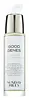
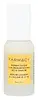
Sunday Riley Good Genes All-In-One Lactic Acid Treatment Versus Farmacy Honey Glow 17% AHA + BHA Resurfacing Acid Serum
This smoothing treatment is formulated around Squalane and Lactic Acid to refine skin texture and brighten dull-looking skin.
This smoothing serum is formulated around Glycolic Acid and Lactic Acid to refine skin texture and brighten dull-looking skin.

What's inside
What's inside
 Key Ingredients
No key ingredients
Benefits
Concerns
Ingredients Side-by-side
Water
Skin ConditioningOpuntia Tuna Fruit Extract
Skin ConditioningCypripedium Pubescens Extract
Skin ConditioningOpuntia Vulgaris Leaf Extract
Skin ConditioningAgave Tequilana Leaf Extract
AstringentArnica Montana Flower Extract
Masking
Aloe Barbadensis Leaf Extract
Emollient


Saccharomyces Cerevisiae Extract
Skin Conditioning

Leuconostoc/Radish Root Ferment Filtrate
Antimicrobial
Caprylic/Capric Triglyceride
Masking

Squalane
Emollient
Lactic Acid
Buffering








PPG-12/Smdi Copolymer
EmollientPropanediol
Solvent
Butylene Glycol
Humectant
Stearic Acid
Cleansing
Dimethicone
Emollient
Cetearyl Alcohol
Emollient

Phenyl Trimethicone
Skin Conditioning
Disiloxane
Skin Conditioning
Ceteareth-20
Cleansing
Glyceryl Stearate
Emollient
PEG-100 Stearate
Surfactant
Stearyl Glycyrrhetinate
Skin ConditioningGlycyrrhiza Glabra Root Extract
Bleaching
Cymbopogon Schoenanthus Oil
Masking

Potassium Hydroxide
BufferingPhenoxyethanol
Preservative
Xanthan Gum
EmulsifyingCaprylyl Glycol
Emollient
Chlorphenesin
Antimicrobial
Sodium Phytate
ChelatingWater, Opuntia Tuna Fruit Extract, Cypripedium Pubescens Extract, Opuntia Vulgaris Leaf Extract, Agave Tequilana Leaf Extract, Arnica Montana Flower Extract, Aloe Barbadensis Leaf Extract, Saccharomyces Cerevisiae Extract, Leuconostoc/Radish Root Ferment Filtrate, Caprylic/Capric Triglyceride, Squalane, Lactic Acid, PPG-12/Smdi Copolymer, Propanediol, Butylene Glycol, Stearic Acid, Dimethicone, Cetearyl Alcohol, Phenyl Trimethicone, Disiloxane, Ceteareth-20, Glyceryl Stearate, PEG-100 Stearate, Stearyl Glycyrrhetinate, Glycyrrhiza Glabra Root Extract, Cymbopogon Schoenanthus Oil, Potassium Hydroxide, Phenoxyethanol, Xanthan Gum, Caprylyl Glycol, Chlorphenesin, Sodium Phytate
Water
Skin ConditioningGlycolic Acid
Buffering

Vitis Vinifera Seed Oil
Emollient
Propanediol
Solvent
Saccharomyces Ferment
Skin Conditioning
Lactic Acid
Buffering
C13-15 Alkane
SolventArginine
Masking
Inositol
Humectant
Potassium Hydroxide
BufferingCarthamus Tinctorius Oleosomes
Emollient
Isopentyldiol
Humectant
Cetearyl Alcohol
Emollient
Opuntia Ficus-Indica Stem Extract
Skin Conditioning
Squalane
Emollient
Salix Alba Bark Extract
Astringent
Vitis Vinifera Fruit Extract
Skin ConditioningHoney Extract
Humectant
Hyaluronic Acid
Humectant
Propolis Extract
Skin Conditioning
Royal Jelly Extract
Skin Conditioning
Glycerin
Humectant
Ubiquinone
Antioxidant
Tocopherol
Antioxidant
Helianthus Annuus Seed Oil
Emollient
Jojoba Esters
Emollient
Lecithin
Emollient
Gluconolactone
Chelating
Coco-Glucoside
Cleansing
Sodium Phytate
ChelatingMaltodextrin
Absorbent
Potassium Sorbate
Preservative
Sodium Polyacryloyldimethyl Taurate
Emulsion StabilisingSclerotium Gum
Emulsion StabilisingSodium Benzoate
Masking
Water, Glycolic Acid, Vitis Vinifera Seed Oil, Propanediol, Saccharomyces Ferment, Lactic Acid, C13-15 Alkane, Arginine, Inositol, Potassium Hydroxide, Carthamus Tinctorius Oleosomes, Isopentyldiol, Cetearyl Alcohol, Opuntia Ficus-Indica Stem Extract, Squalane, Salix Alba Bark Extract, Vitis Vinifera Fruit Extract, Honey Extract, Hyaluronic Acid, Propolis Extract, Royal Jelly Extract, Glycerin, Ubiquinone, Tocopherol, Helianthus Annuus Seed Oil, Jojoba Esters, Lecithin, Gluconolactone, Coco-Glucoside, Sodium Phytate, Maltodextrin, Potassium Sorbate, Sodium Polyacryloyldimethyl Taurate, Sclerotium Gum, Sodium Benzoate
Reviews
Ingredients Explained
These ingredients are found in both products.
Ingredients higher up in an ingredient list are typically present in a larger amount.
Cetearyl alcohol is a waxy mixture of two fatty alcohols: cetyl alcohol and stearyl alcohol. It is an emollient and emulsifier.
Despite having "alcohol" in its name, it has nothing to do with drying solvent alcohols; the FDA also allows "alcohol-free" products to contain fatty alcohols like this ingredient.
It plays several roles in a formula:
Typical use levels for this ingredient sit around 1-10% and the Cosmetic Ingredient Review Expert Panel has affirmed safety at concentrations up to 25% in leave-on products.
Multiple assessments have found it to be non-irritating and non-sensitizing to most people.
However, there have been some cases of allergic contact dermatitis in patients with chronically compromised skin barriers.
Cetearyl alcohol has a comedogenic rating of 2 and irritancy rating of 1. Both of these numbers come from the 1989 study that used rabbit ears; a "2" means mildly comedogenic and a "1" means low irritancy.
Here's the catch: rabbit skin is more sensitive than human skin and throws a lot of false positives. A 1996 reappraisal found that ingredients rated 1-2 in the rabbit ear tests are generally safe for humans.
Remember comedogenic ratings are unable to assess the entire formula of a product or how it will react on your skin. Just be sure to patch test if you are unsure about certain ingredients.
This ingredient is not fungal acne safe. Cetearyl alcohol is a fatty alcohol with chain lengths that fall within the range that Malassezia can metabolize.
A 2019 study has also observed Malassezia growth in the presence of this ingredient, confirming it to be not-fungal acne safe.
Learn more about Cetearyl AlcoholLactic Acid is another well-loved alpha hydroxy acid (AHA). It is gentler than glycolic acid but still highly effective.
Its main role is to exfoliate the surface of the skin by loosening the “glue” that holds dead skin cells together. Shedding those old cells leads to smoother, softer, and more even-toned skin.
Because lactic acid molecules are larger than glycolic acid, they don’t penetrate as deeply. This means they’re less likely to sting or irritate, making it a great choice for beginners or those with sensitive skin.
Like glycolic acid, it can:
Lactic acid also acts as a humectant (like hyaluronic acid). It can draw water into the skin to improve hydration and also plays a role in the skin's natural moisturizing factor (NMF) in the form of sodium lactate.
Studies show it can boost ceramide production to strengthen the skin barrier and even help balance the skin’s microbiome.
To get results, choose products with a pH between 3-4.
Lower strengths (5-12%) focus on surface exfoliation; higher strengths (12% and up) can reach deeper in the dermis (deeper, supportive layer) to improve skin texture and firmness over time.
Though it was originally derived from milk, most modern lactic acid used in skincare is vegan. It is made through non-dairy fermentation to create a bio-identical and stable form suitable for all formulations.
When lactic acid shows up near the end of an ingredient list, it usually means the brand added just a tiny amount to adjust the product’s pH.
Legend has it that Cleopatra used to bathe in sour milk to help reduce wrinkles.
Lactic acid is truly a gentle multitasker: it exfoliates, hydrates, strengthens, and brightens. It's a great ingredient for giving your skin a smooth, glowing, and healthy look without the harshness of stronger acids.
Read more about some other popular AHA's here:
Learn more about Lactic AcidPotassium Hydroxide (also known as potash) is a strong alkaline ingredient that does one job: it nudges a product's pH up so the whole formula lands in a skin-friendly range.
It's also the base that turns oils into liquid soap during the soap making process.
An expert safety panel reviewed it and found it safe when formulations are made to be non-irritating.
As a pH adjuster, it's typically used well under 1% though regulatory caps go much higher: 5% in nail cuticle removers and 2-4.5% in hair straighteners.
Though there is some concern for irritation from raw or high pH material, a well-balanced formula will be a non-issue for the vast majority of people.
Learn more about Potassium HydroxidePropanediol is an all-star ingredient. It softens, hydrates, and smooths the skin.
It’s often used to:
Propanediol is not likely to cause sensitivity and considered safe to use. It is derived from corn or petroleum with a clear color and no scent.
Learn more about PropanediolSodium Phytate is the sodium salt of Phytic acid, a compound that plants store phosphorus in. It's the plant-derived alternative to ingredients like Disodium EDTA.
In skincare, this ingredient is a chelator that grabs onto trace metal ions like iron and copper that sneak into formulas through water/raw materials.
Those metals speed up oxidation so binding them keeps oils, fragrance, and actives from going off, stops color changes, and helps the preservative system work harder.
Survey data shows usage levels range from 0.0099%-0.5% in leave-on products, 0.025%-0.3% in rinse-off, and up to 0.05% in eye-area products. Suppliers typically recommend a range between 0.05-0.5%.
Learn more about Sodium PhytateSqualane is the hydrogenated and shelf-stable form of squalene (a lipid that naturally occurs in human sebum).
It is an emollient and skin conditioning agent that is able to integrate seamlessly into the skin's lipid barrier without clogging pores.
This is due to how structurally similar it is to what your skin already produces.
Though it is mostly an emollient that helps soften and hydrate skin, it also has some humectant and occlusive action. Humectants help the skin retain moisture while occlusives seal it in, making squalane a triple-threat moisturizer.
Research shows it has antioxidant capabilities that help protect against stressors like UV exposure, specifically UVA induced oxidative stress. This study also found that it supports collagen biosynthesis in human dermal fibroblasts.
No clinical study has reported significant adverse effects and irritation reactions are very rare from this ingredient (even at 100% concentration).
Overall, it's a fantastic ingredient for hydration and is suitable for all skin types.
This depends on the source. Squalane can be derived from both plants and animals. Most squalane used in skincare comes from plants.
Please note: the source of squalane is only known if disclosed by the brand. We recommend reaching out to the brand if you have any questions about their squalane.
Read more about squalene with an "e".
Though squalane is often called an oil, it’s technically not one. It is a hydrocarbon, meaning it is only made of carbon and hydrogen. True oils are triglycerides and made of fatty acids and glycerol.
The term “oil-free” isn’t regulated so companies can define it however they want. Some exclude all oils, while others just avoid mineral oil or comedogenic oils.
Squalane has a comedogenic rating of 1 from the original 1972 study that tested raw ingredients under occlusion on rabbit ears. This system is not standardized or peer-reviewed, and using the raw ingredients is very different from how diluted cosmetic formulations are used on human skin.
A comedogenic rating of 1 means it is "unlikely to clog pores" according to the original rating system.
The overall formula of a product matters more than the individual ingredients on whether or not it will cause clogged pores.
Learn more about SqualaneWater. It's the most common cosmetic ingredient of all. You'll usually see it at the top of ingredient lists, meaning that it makes up the largest part of the product.
So why is it so popular? Water most often acts as a solvent - this means that it helps dissolve other ingredients into the formulation.
You'll also recognize water as that liquid we all need to stay alive. If you see this, drink a glass of water. Remember to stay hydrated!
Learn more about Water

