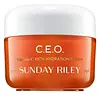
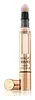
Sunday Riley C.E.O Vitamin C Rich Hydration Cream Versus Charlotte Tilbury Magic Away Liquid Concealer
This brightening moisturizer is formulated around Squalane and Tetrahexyldecyl Ascorbate to brighten dull-looking skin and hydrate skin.


What's inside
What's inside
 Key Ingredients
Benefits
Concerns
No concerns
Ingredients Side-by-side
Water
Skin ConditioningSqualane
Emollient


Dicaprylyl Carbonate
EmollientTetrahexyldecyl Ascorbate
Antioxidant






C10-18 Triglycerides
Emollient

PEG-8 Beeswax
Emulsifying
Polyglyceryl-6 Distearate
Emulsifying
Tapioca Starch
Hydrogenated Vegetable Oil
Emollient


Prunus Amygdalus Dulcis Oil
Skin Conditioning
Citric Acid
Buffering
PPG-12/Smdi Copolymer
EmollientGlycerin
Humectant
Citrus Tangerina Peel Oil
Masking
Sodium Acrylates Copolymer
Bisabolol
Antioxidant
Jojoba Esters
Emollient
Tocopherol
Antioxidant

Caprylic/Capric Triglyceride
Masking
Limonene
Perfuming

Phenoxyethanol
Preservative
Lecithin
Emollient
Nylon-12


Rosa Centifolia Flower Wax
Skin ConditioningRosa Damascena Flower Wax
MaskingSodium Phytate
ChelatingCetyl Alcohol
Emollient
Polyglyceryl-3 Beeswax
Emulsifying
Butylene Glycol
Humectant
Caprylyl Glycol
Emollient
Alcohol Denat.
Antimicrobial

Chlorphenesin
Antimicrobial
Citrus Australasica Fruit Extract
Antioxidant
Polymethylsilsesquioxane

Terminalia Ferdinandiana Fruit Extract
Antioxidant
Butyrospermum Parkii Butter Extract
Skin Conditioning
Camellia Sinensis Leaf Extract
Antimicrobial
Citrus Junos Fruit Extract
Skin ConditioningCurcuma Longa Root Extract
Antioxidant
Euterpe Oleracea Fruit Extract
Lippia Citriodora Flower Extract
Perfuming
Oenothera Biennis Seed Extract
Skin ConditioningRosa Canina Fruit Extract
Astringent
Alteromonas Ferment Extract
Skin Conditioning
Benzyl Alcohol
Perfuming
Sodium Hyaluronate
Humectant
Linalool
Perfuming
Dehydroacetic Acid
Preservative
Water, Squalane, Dicaprylyl Carbonate, Tetrahexyldecyl Ascorbate, C10-18 Triglycerides, PEG-8 Beeswax, Polyglyceryl-6 Distearate, Tapioca Starch, Hydrogenated Vegetable Oil, Prunus Amygdalus Dulcis Oil, Citric Acid, PPG-12/Smdi Copolymer, Glycerin, Citrus Tangerina Peel Oil, Sodium Acrylates Copolymer, Bisabolol, Jojoba Esters, Tocopherol, Caprylic/Capric Triglyceride, Limonene, Phenoxyethanol, Lecithin, Nylon-12, Rosa Centifolia Flower Wax, Rosa Damascena Flower Wax, Sodium Phytate, Cetyl Alcohol, Polyglyceryl-3 Beeswax, Butylene Glycol, Caprylyl Glycol, Alcohol Denat., Chlorphenesin, Citrus Australasica Fruit Extract, Polymethylsilsesquioxane, Terminalia Ferdinandiana Fruit Extract, Butyrospermum Parkii Butter Extract, Camellia Sinensis Leaf Extract, Citrus Junos Fruit Extract, Curcuma Longa Root Extract, Euterpe Oleracea Fruit Extract, Lippia Citriodora Flower Extract, Oenothera Biennis Seed Extract, Rosa Canina Fruit Extract, Alteromonas Ferment Extract, Benzyl Alcohol, Sodium Hyaluronate, Linalool, Dehydroacetic Acid
Water
Skin ConditioningHydrogenated Polyisobutene
EmollientHydrogenated Didecene
Skin ConditioningGlycerin
Humectant
Trimethylsiloxysilicate
Emollient
Cetyl PEG/PPG-10/1 Dimethicone
Emulsifying
Palmitoyl Glycine
CleansingAlbizia Julibrissin Bark Extract
MaskingMethicone
Emollient
Sodium Chloride
MaskingPolymethylsilsesquioxane
Disteardimonium Hectorite
StabilisingHydroxyacetophenone
Antioxidant
Lauryl PEG-8 Dimethicone
Surfactant
Hydrogenated Styrene/Isoprene Copolymer
Hdi/Trimethylol Hexyllactone Crosspolymer
Propanediol
Solvent
1,2-Hexanediol
Skin Conditioning
Caprylyl Glycol
Emollient
Tocopheryl Acetate
Antioxidant
Trisodium Ethylenediamine Disuccinate
ChelatingTephrosia Purpurea Seed Extract
Skin ConditioningLauroyl Lysine
Skin Conditioning
Talc
Abrasive
Darutoside
Skin ConditioningPentaerythrityl Tetra-Di-T-Butyl Hydroxyhydrocinnamate
Antioxidant
CI 77891
Cosmetic ColorantIron Oxides
Water, Hydrogenated Polyisobutene, Hydrogenated Didecene, Glycerin, Trimethylsiloxysilicate, Cetyl PEG/PPG-10/1 Dimethicone, Palmitoyl Glycine, Albizia Julibrissin Bark Extract, Methicone, Sodium Chloride, Polymethylsilsesquioxane, Disteardimonium Hectorite, Hydroxyacetophenone, Lauryl PEG-8 Dimethicone, Hydrogenated Styrene/Isoprene Copolymer, Hdi/Trimethylol Hexyllactone Crosspolymer, Propanediol, 1,2-Hexanediol, Caprylyl Glycol, Tocopheryl Acetate, Trisodium Ethylenediamine Disuccinate, Tephrosia Purpurea Seed Extract, Lauroyl Lysine, Talc, Darutoside, Pentaerythrityl Tetra-Di-T-Butyl Hydroxyhydrocinnamate, CI 77891, Iron Oxides
Reviews
Ingredients Explained
These ingredients are found in both products.
Ingredients higher up in an ingredient list are typically present in a larger amount.
Caprylyl Glycol is a humectant, skin conditioner, emollient, and preservative booster derived from either caprylic acid or synthetically created.
Typical use levels vary from 0.3-1% as a preservative booster and go up to 2% to condition skin.
Because it is not a free-fatty acid, this ingredient is fungal acne safe (there's nothing for Malassezia to feed on).
Learn more about Caprylyl GlycolGlycerin (or glycerol) is a compound naturally found in your skin. It's a powerhouse humectant that pulls water into the stratum corneum.
Topically, glycerin does several things at once:
Your skin makes glycerin on its own (mostly from sebaceous oil breakdown) and shuttles it to your outermost layer of skin, or your epidermis, via aquaporin-3.
Aquaporin-3 is a transporter that is essential for normal skin hydration, elasticity, and repair. Interestingly, mice lacking in AQP3 have dry and less elastic skin that can be fully corrected with glycerin.
This ingredient is non-irritating, plays well with almost every ingredient, and works across all skin types. Typical use is anywhere between 3-10% but can go up to 79% in some leave-on products.
Just know very high concentrations (>40%) can feel tacky in low humidity.
Glycerin is the name for this ingredient in American English. British English uses Glycerol/Glycerine.
Learn more about GlycerinPolymethylsilsesquioxane is a silicone used as a film forming agent.
When applied to the skin, this ingredient creates an invisible film on the surface. This film still allows oxygen to pass through, but prevents moisture from escaping. This can help condition and hydrate the skin. It also leaves a silky feel when applied.
Polymethylsilsesquioxane has not been shown to clog pores. It has been deemed safe to use up to 55%, but most cosmetics use much less.
If you have concerns about using this ingredient, we recommend speaking with a professional.
Learn more about PolymethylsilsesquioxaneWater. It's the most common cosmetic ingredient of all. You'll usually see it at the top of ingredient lists, meaning that it makes up the largest part of the product.
So why is it so popular? Water most often acts as a solvent - this means that it helps dissolve other ingredients into the formulation.
You'll also recognize water as that liquid we all need to stay alive. If you see this, drink a glass of water. Remember to stay hydrated!
Learn more about Water

