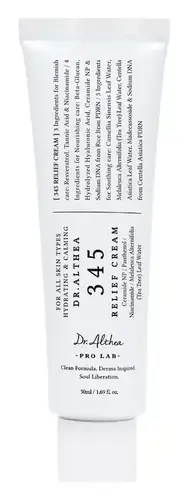
This barrier-repair moisturizer is formulated around Trehalose and Centella Asiatica Extract to strengthen the skin barrier and hydrate skin.
This calming moisturizer is formulated around Camellia Sinensis Leaf Extract and Niacinamide to calm redness and strengthen the skin barrier.
What's inside
What's inside
 Key Ingredients
Benefits
Concerns
Ingredients Side-by-side
Water
Skin ConditioningGlycerin
Humectant


Pentaerythrityl Tetraisostearate
Emollient

Glycereth-26
Humectant
Dipropylene Glycol
Humectant1,2-Hexanediol
Skin Conditioning
Carbomer
Emulsion StabilisingButylene Glycol
Humectant
Trehalose
Humectant
Tromethamine
BufferingCaprylyl Glycol
Emollient
Ethylhexylglycerin
Skin ConditioningAmmonium Acryloyldimethyltaurate/Vp Copolymer
Allantoin
Skin Conditioning

Pentylene Glycol
Skin Conditioning
Sodium Hyaluronate
Humectant
Disodium EDTA
ChelatingCentella Asiatica Extract
Cleansing
Madecassoside
Antioxidant
Glyceryl Glucoside
Humectant
Centella Asiatica Leaf Extract
Skin Conditioning
Citrullus Lanatus Fruit Extract
Skin Conditioning
Asiaticoside
Antioxidant
Tocopherol
Antioxidant


Lens Esculenta Fruit Extract
Skin ConditioningPyrus Malus Fruit Extract
Skin Conditioning
Sodium Lactate
Buffering
Sodium PCA
Humectant
Sodium Benzoate
Masking
Potassium Sorbate
Preservative
Water, Glycerin, Pentaerythrityl Tetraisostearate, Glycereth-26, Dipropylene Glycol, 1,2-Hexanediol, Carbomer, Butylene Glycol, Trehalose, Tromethamine, Caprylyl Glycol, Ethylhexylglycerin, Ammonium Acryloyldimethyltaurate/Vp Copolymer, Allantoin, Pentylene Glycol, Sodium Hyaluronate, Disodium EDTA, Centella Asiatica Extract, Madecassoside, Glyceryl Glucoside, Centella Asiatica Leaf Extract, Citrullus Lanatus Fruit Extract, Asiaticoside, Tocopherol, Lens Esculenta Fruit Extract, Pyrus Malus Fruit Extract, Sodium Lactate, Sodium PCA, Sodium Benzoate, Potassium Sorbate
Water
Skin ConditioningCaprylic/Capric Triglyceride
Masking
Cetearyl Alcohol
Emollient


Glyceryl Stearate
Emollient
PEG-40 Stearate
Emulsifying
Ceteareth-20
Cleansing
Camellia Sinensis Leaf Extract 3%
Antimicrobial

Niacinamide 3%
Smoothing

Propanediol
Solvent
Squalane
Emollient
Hydrogenated Lecithin
Emulsifying
Phytosterols
Skin Conditioning
Ceramide NP
Skin Conditioning
Ceramide Ng
Skin Conditioning
Ceramide AP
Skin Conditioning
Glyceryl Glucoside 2%
Humectant
Isoamyl Laurate
Emollient
Saccharomyces Ferment
Skin Conditioning
Lauroyl Lysine
Skin Conditioning
Xylitylglucoside
Humectant
Anhydroxylitol
Humectant
Xylitol
Humectant
Sodium Polyacrylate
Absorbent
Hydrolyzed Jojoba Esters
Skin Conditioning
Saccharide Isomerate
Humectant
Phenoxyethanol
Preservative
Ethylhexylglycerin
Skin ConditioningCarrageenan
Dimethicone
Emollient
Disodium EDTA
ChelatingBHT
Antioxidant
Water, Caprylic/Capric Triglyceride, Cetearyl Alcohol, Glyceryl Stearate, PEG-40 Stearate, Ceteareth-20, Camellia Sinensis Leaf Extract 3%, Niacinamide 3%, Propanediol, Squalane, Hydrogenated Lecithin, Phytosterols, Ceramide NP, Ceramide Ng, Ceramide AP, Glyceryl Glucoside 2%, Isoamyl Laurate, Saccharomyces Ferment, Lauroyl Lysine, Xylitylglucoside, Anhydroxylitol, Xylitol, Sodium Polyacrylate, Hydrolyzed Jojoba Esters, Saccharide Isomerate, Phenoxyethanol, Ethylhexylglycerin, Carrageenan, Dimethicone, Disodium EDTA, BHT
Reviews
Ingredients Explained
These ingredients are found in both products.
Ingredients higher up in an ingredient list are typically present in a larger amount.
Disodium EDTA is a chelating agent. It grabs onto and deactivates metal ions that sneak into your products from water, packaging, or air.
This ingredient mainly works behind the scenes and helps with:
On top of that, this ingredient can counteract the effects of hard water by binding to the minerals in it.
One thing worth knowing is that Disodium EDTA has been shown to be a mild penetration enhancer. It can help other ingredients absorb into skin more effectively which can be a double-edged sword (great for actives, but can also make the active too strong if you have sensitive skin).
Clinical patch testing showed no significant skin irritation at typical use concentrations and minimal dermal absorption.
You'll most likely see this ingredient near the end of an ingredient list. It's typically found in concentrations less than 1%.
Learn more about Disodium EDTAEthylhexylglycerin is created from glycerin. It is a multitasker ingredient that:
The CIR Expert Panel found minimal skin absorption or sensitization of any kind in a safety assessment. Though this ingredient is considered well-tolerated, a small number of cases of allergic dermatitis have been published since 2002. Just be sure to patch test if you are unsure.
Industry-reported use ranges from 8% in rinse-off products and 2% in leave-on formulations.
Learn more about EthylhexylglycerinGlyceryl Glucoside is made from glycerol and glucose.
It is a humectant. Humectants help hydrate your skin by drawing moisture to it from the air.
Some foods that contain glyceryl glucoside include sake, miso, and wines.
Learn more about Glyceryl GlucosideWater. It's the most common cosmetic ingredient of all. You'll usually see it at the top of ingredient lists, meaning that it makes up the largest part of the product.
So why is it so popular? Water most often acts as a solvent - this means that it helps dissolve other ingredients into the formulation.
You'll also recognize water as that liquid we all need to stay alive. If you see this, drink a glass of water. Remember to stay hydrated!
Learn more about Water