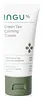
This calming moisturizer is formulated around Camellia Sinensis Leaf Extract and Niacinamide to calm redness and strengthen the skin barrier.
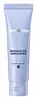
This brightening moisturizer is formulated around Niacinamide and Panthenol to brighten dull-looking skin and strengthen the skin barrier.


What's inside
What's inside
 Key Ingredients
Benefits
Concerns
Ingredients Side-by-side
Water
Skin ConditioningCaprylic/Capric Triglyceride
Masking


Cetearyl Alcohol
Emollient





Glyceryl Stearate
Emollient
PEG-40 Stearate
Emulsifying
Ceteareth-20
Cleansing
Camellia Sinensis Leaf Extract 3%
Antimicrobial






Niacinamide 3%
Smoothing




Propanediol
Solvent
Squalane
Emollient
Hydrogenated Lecithin
Emulsifying
Phytosterols
Skin Conditioning
Ceramide NP
Skin Conditioning
Ceramide Ng
Skin Conditioning
Ceramide AP
Skin Conditioning
Glyceryl Glucoside 2%
Humectant
Isoamyl Laurate
Emollient
Saccharomyces Ferment
Skin Conditioning
Lauroyl Lysine
Skin Conditioning
Xylitylglucoside
Humectant
Anhydroxylitol
Humectant
Xylitol
Humectant
Sodium Polyacrylate
Absorbent
Hydrolyzed Jojoba Esters
Skin Conditioning
Saccharide Isomerate
Humectant
Phenoxyethanol
Preservative
Ethylhexylglycerin
Skin ConditioningCarrageenan
Dimethicone
Emollient
Disodium EDTA
ChelatingBHT
Antioxidant
Water, Caprylic/Capric Triglyceride, Cetearyl Alcohol, Glyceryl Stearate, PEG-40 Stearate, Ceteareth-20, Camellia Sinensis Leaf Extract 3%, Niacinamide 3%, Propanediol, Squalane, Hydrogenated Lecithin, Phytosterols, Ceramide NP, Ceramide Ng, Ceramide AP, Glyceryl Glucoside 2%, Isoamyl Laurate, Saccharomyces Ferment, Lauroyl Lysine, Xylitylglucoside, Anhydroxylitol, Xylitol, Sodium Polyacrylate, Hydrolyzed Jojoba Esters, Saccharide Isomerate, Phenoxyethanol, Ethylhexylglycerin, Carrageenan, Dimethicone, Disodium EDTA, BHT
Water
Skin ConditioningPropanediol
Solvent
Niacinamide
Smoothing
Panthenol
Skin Conditioning
1,2-Hexanediol
Skin Conditioning
Caprylic/Capric Triglyceride
Masking
Ethylhexyl Isononanoate
EmollientMyristoyl/Palmitoyl Oxostearamide/Arachamide Mea
Skin ConditioningAmmonium Acryloyldimethyltaurate/Vp Copolymer
Sorbitan Stearate
Emulsifying
Glyceryl Stearate
Emollient
Butylene Glycol
Humectant
Glycerin
Humectant
Phytosterols
Skin Conditioning
Caprylyl Glycol
Emollient
Lactic Acid
Buffering

Glycolic Acid
Buffering
Carbomer
Emulsion StabilisingStearic Acid
Cleansing
Resveratrol
Antioxidant
Sodium Hyaluronate
Humectant
Xanthan Gum
EmulsifyingHeptasodium Hexacarboxymethyl Dipeptide-12
Skin Conditioning
Glutathione
Dipotassium Glycyrrhizate
Humectant
Sorbitan Laurate
Emulsifying
Superoxide Dismutase
Antioxidant
Chlorella Vulgaris Extract
Skin ConditioningBeta-Glucan
Skin Conditioning
Zinc Gluconate
Skin Conditioning
Hydroxyethylcellulose
Emulsion StabilisingAcetyl Dipeptide-1 Cetyl Ester
Skin Conditioning
Tetradecyl Aminobutyroylvalylaminobutyric Urea Trifluoroacetate
Skin ConditioningPolyvinyl Alcohol
Magnesium Chloride
Potassium Phosphate
BufferingProline
Skin Conditioning
Palmitic Acid
Emollient
Lysine
Skin ConditioningHistidine
Humectant
Glycine
Buffering
Glutamine
Skin ConditioningArginine
Masking
Water, Propanediol, Niacinamide, Panthenol, 1,2-Hexanediol, Caprylic/Capric Triglyceride, Ethylhexyl Isononanoate, Myristoyl/Palmitoyl Oxostearamide/Arachamide Mea, Ammonium Acryloyldimethyltaurate/Vp Copolymer, Sorbitan Stearate, Glyceryl Stearate, Butylene Glycol, Glycerin, Phytosterols, Caprylyl Glycol, Lactic Acid, Glycolic Acid, Carbomer, Stearic Acid, Resveratrol, Sodium Hyaluronate, Xanthan Gum, Heptasodium Hexacarboxymethyl Dipeptide-12, Glutathione, Dipotassium Glycyrrhizate, Sorbitan Laurate, Superoxide Dismutase, Chlorella Vulgaris Extract, Beta-Glucan, Zinc Gluconate, Hydroxyethylcellulose, Acetyl Dipeptide-1 Cetyl Ester, Tetradecyl Aminobutyroylvalylaminobutyric Urea Trifluoroacetate, Polyvinyl Alcohol, Magnesium Chloride, Potassium Phosphate, Proline, Palmitic Acid, Lysine, Histidine, Glycine, Glutamine, Arginine
Reviews
Ingredients Explained
These ingredients are found in both products.
Ingredients higher up in an ingredient list are typically present in a larger amount.
Caprylic/Capric Triglyceride (aka MCT Oil) is a lightweight emollient, solvent, and texture enhancer. It is considered a skin-softener by helping to prevent moisture loss.
Though it behaves like an oil, it is not technically one due to its chemical composition. One perk of this ingredient is that it is very stable, resistant to oxidation, and unlikely to go rancid.
In practice, that translates to a long shelf life and a consistently elegant skin feel.
While there is an assumption Caprylic Triglyceride can clog pores due to it being derived from coconut oil, there is no research supporting this. Just patch test if you have concerns.
Fractionated coconut oil and MCT Oil are both listed as Caprylic/Capric Triglyceride according to INCI. This is because INCI names are based on the ingredient’s final chemical composition and not its marketing name or source.
This ingredient is treated as the gold standard fungal acne safe oil. Even though it is coconut derived, the problematic lauric acid is stripped out.
This leaves just caprylic (C8) and capric (C10) acid. These chain lengths actually trend antifungal; a 2020 study found caprylic acid was enough to disrupt Malassezia furfur cell membrane, with a caprylic acid derivative damaging membrane structures at concentrations as low as 0.2%.
Learn more about Caprylic/Capric TriglycerideGlyceryl Stearate is made by reacting glycerin with stearic acid (typically sourced from plant oils like palm or coconut). It's an emulsifier, emollient, and mild occlusive.
Emulsifiers help ingredients like oil and water stay mixed so your formula stays nicely blended and uniform in texture.
This ingredient is typically used in concentrations between 1-10%. Studies have found it to be non-sensitizing, non-phototoxic, and non-photoallergenic.
A close cousin of this ingredient is Glyceryl Stearate SE ("self-emulsifying"). This just has a small amount of sodium or potassium stearate added so it can emulsify without a co-emulsifier.
Since this ingredient is an ester of a C18 fatty acid, it may not be fungal acne safe. The Malassezia yeast can potentially metabolize within the C11-C24 range.
Fun fact: The human body also creates Glyceryl Stearate naturally.
Learn more about Glyceryl StearateNiacinamide is a multitasking form of vitamin B3 that strengthens the skin barrier, reduces pores and dark spots, regulates oil, and improves signs of aging.
And the best part? It's gentle and well-tolerated by most skin types, including sensitive and reactive skin.
You might have heard of "niacin flush", or the reddening of skin that causes itchiness. Niacinamide has not been found to cause this.
In very rare cases, some individuals may not be able to tolerate niacinamide at all or experience an allergic reaction to it.
If you are experiencing flaking, irritation, and dryness with this ingredient, be sure to double check all your products as this ingredient can be found in all categories of skincare.
When incorporating niacinamide into your routine, look out for concentration amounts. Typically, 5% niacinamide provides benefits such as fading dark spots. However, if you have sensitive skin, it is better to begin with a smaller concentration.
When you apply niacinamide to your skin, your body converts it into nicotinamide adenine dinucleotide (NAD). NAD is an essential coenzyme that is already found in your cells as "fuel" and powers countless biological processes.
In your skin, NAD helps repair cell damage, produce new healthy cells, support collagen production, strengthen the skin barrier, and fight environmental stressors (like UV and pollution).
Our natural NAD levels start to decline with age, leading to slower skin repair, visible aging, and a weaker skin barrier. By providing your skin niacinamide, you're recharging your skin's NAD levels. This leads to stronger, healthier, and younger looking skin.
Another name for vitamin B3 is nicotinamide. This vitamin is water-soluble and our bodies don't store it. We obtain Vitamin B3 from either food or skincare. Meat, fish, wheat, yeast, and leafy greens contain vitamin B3.
The type of niacinamide used in skincare is synthetically created.
Learn more about NiacinamidePhytosterols are plant-derived sterols (you can think of them as the plant world's version of cholesterol). In cosmetics, this ingredient is usually sourced from soybean, rice bran, shea, sunflower, and other seed oils.
The main actors in this group are β-sitosterol, campesterol, and stigmasterol (the CIR covers 27 phytosterols).
They work by fitting perfectly into your stratum corneum's lipid matrix since they're structurally similar to cholesterol. Here, they reinforce your skin's barrier.
One small in vivo human study showed topical soybean phytosterols sped up barrier recovery within three days on tape-stripped skin.
Broader research credits them with:
Formulation use typically sit under 5%.
Testing in soy-allergic subjects found no sensitization signals, but be sure to patch test if you are unsure or have existing allergies.
Learn more about PhytosterolsPropanediol is an all-star ingredient. It softens, hydrates, and smooths the skin.
It’s often used to:
Propanediol is not likely to cause sensitivity and considered safe to use. It is derived from corn or petroleum with a clear color and no scent.
Learn more about PropanediolWater. It's the most common cosmetic ingredient of all. You'll usually see it at the top of ingredient lists, meaning that it makes up the largest part of the product.
So why is it so popular? Water most often acts as a solvent - this means that it helps dissolve other ingredients into the formulation.
You'll also recognize water as that liquid we all need to stay alive. If you see this, drink a glass of water. Remember to stay hydrated!
Learn more about Water

