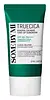
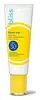
Some By Mi Truecica Mineral Calming Tone-up Suncream SPF 50+ PA++++ Versus Bliss Block Star Invisible Daily Sunscreen SPF 30
This hybrid sunscreen covers the full UV range and blocks ~98% of UVB at SPF 50.
This sunscreen offers SPF 30 protection with a matte finish that helps control shine.


What's inside
What's inside
 Key Ingredients
Benefits
Concerns
Ingredients Side-by-side
Melaleuca Alternifolia Leaf Water
Antimicrobial


Cyclopentasiloxane
Emollient
Zinc Oxide
Cosmetic Colorant

Butyloctyl Salicylate
Skin Conditioning
Titanium Dioxide
Cosmetic Colorant
Propanediol
Solvent

Benzotriazolyl Dodecyl P-Cresol
UV AbsorberPEG-10 Dimethicone
Skin Conditioning
Niacinamide
Smoothing







Phenyl Trimethicone
Skin Conditioning
Disteardimonium Hectorite
StabilisingMagnesium Sulfate
1,2-Hexanediol
Skin Conditioning
Caprylic/Capric Glycerides
EmollientDimethicone
Emollient
Vp/Hexadecene Copolymer
Polymethylsilsesquioxane
Aluminum Hydroxide
EmollientStearic Acid
Cleansing


Sorbitan Sesquioleate
Emulsifying
Dimethicone Crosspolymer
Emulsion Stabilising
Dimethicone/Vinyl Dimethicone Crosspolymer
Skin Conditioning
Lavandula Angustifolia Oil
Masking




Adenosine
Skin Conditioning
Water
Skin ConditioningAloe Barbadensis Leaf Extract
Emollient
Glycerin
Humectant
Centella Asiatica Leaf Extract
Skin Conditioning
Butylene Glycol
Humectant
Artemisia Vulgaris Extract
Skin Conditioning
Glycolipids
Skin ConditioningPyrus Communis Flower Extract
Skin ConditioningPolyglyceryl-10 Oleate
Skin Conditioning
Resveratrol
Antioxidant
Ethylhexylglycerin
Skin ConditioningAsiaticoside
Antioxidant
Madecassic Acid
Skin Conditioning
Asiatic Acid
Skin Conditioning
Madecassoside
Antioxidant
Triethoxycaprylylsilane
Linalool
Perfuming
Limonene
Perfuming
Melaleuca Alternifolia Leaf Water, Cyclopentasiloxane, Zinc Oxide, Butyloctyl Salicylate, Titanium Dioxide, Propanediol, Benzotriazolyl Dodecyl P-Cresol, PEG-10 Dimethicone, Niacinamide, Phenyl Trimethicone, Disteardimonium Hectorite, Magnesium Sulfate, 1,2-Hexanediol, Caprylic/Capric Glycerides, Dimethicone, Vp/Hexadecene Copolymer, Polymethylsilsesquioxane, Aluminum Hydroxide, Stearic Acid, Sorbitan Sesquioleate, Dimethicone Crosspolymer, Dimethicone/Vinyl Dimethicone Crosspolymer, Lavandula Angustifolia Oil, Adenosine, Water, Aloe Barbadensis Leaf Extract, Glycerin, Centella Asiatica Leaf Extract, Butylene Glycol, Artemisia Vulgaris Extract, Glycolipids, Pyrus Communis Flower Extract, Polyglyceryl-10 Oleate, Resveratrol, Ethylhexylglycerin, Asiaticoside, Madecassic Acid, Asiatic Acid, Madecassoside, Triethoxycaprylylsilane, Linalool, Limonene
Water
Skin ConditioningCyclopentasiloxane
Emollient
Butylene Glycol
Humectant
Glycerin
Humectant
Dicaprylyl Carbonate
EmollientPropylene Glycol Dicaprylate
EmollientDisiloxane
Skin Conditioning
Dimethicone/Vinyl Dimethicone Crosspolymer
Skin Conditioning
Dimethicone
Emollient
PEG-10 Dimethicone
Skin Conditioning
Sodium Acrylates Crosspolymer-2
AbsorbentPolymethylsilsesquioxane
Butyloctyl Salicylate
Skin Conditioning
Vinyl Dimethicone/Methicone Silsesquioxane Crosspolymer
Vaccinium Angustifolium Fruit Extract
Skin Protecting
Oenothera Biennis Flower Extract
AstringentEuterpe Oleracea Fruit Extract
Hibiscus Sabdariffa Flower Extract
Skin ConditioningCamellia Sinensis Leaf Extract
Antimicrobial
Pinus Palustris Leaf Extract
TonicUlmus Davidiana Root Extract
Skin Conditioning
Pueraria Lobata Root Extract
HumectantEnantia Chlorantha Bark Extract
Skin ConditioningLavandula Angustifolia Oil
Masking
Rosa Canina Fruit Oil
Emollient
Anthemis Nobilis Flower Oil
Masking
Sodium Hyaluronate
Humectant
Oleanolic Acid
Skin ConditioningSqualane
Emollient
Glyceryl Caprylate
EmollientAluminum Hydroxide
EmollientPolyglyceryl-6 Polyricinoleate
Emulsifying
Sorbitan Caprylate
EmulsifyingStearic Acid
Cleansing
Synthetic Fluorphlogopite
Triethoxycaprylylsilane
Dipropylene Glycol
Humectant1,2-Hexanediol
Skin Conditioning
Dimethicone/PEG-10/15 Crosspolymer
Disteardimonium Hectorite
StabilisingMagnesium Sulfate
Ethylhexylglycerin
Skin ConditioningIron Oxides
Water, Cyclopentasiloxane, Butylene Glycol, Glycerin, Dicaprylyl Carbonate, Propylene Glycol Dicaprylate, Disiloxane, Dimethicone/Vinyl Dimethicone Crosspolymer, Dimethicone, PEG-10 Dimethicone, Sodium Acrylates Crosspolymer-2, Polymethylsilsesquioxane, Butyloctyl Salicylate, Vinyl Dimethicone/Methicone Silsesquioxane Crosspolymer, Vaccinium Angustifolium Fruit Extract, Oenothera Biennis Flower Extract, Euterpe Oleracea Fruit Extract, Hibiscus Sabdariffa Flower Extract, Camellia Sinensis Leaf Extract, Pinus Palustris Leaf Extract, Ulmus Davidiana Root Extract, Pueraria Lobata Root Extract, Enantia Chlorantha Bark Extract, Lavandula Angustifolia Oil, Rosa Canina Fruit Oil, Anthemis Nobilis Flower Oil, Sodium Hyaluronate, Oleanolic Acid, Squalane, Glyceryl Caprylate, Aluminum Hydroxide, Polyglyceryl-6 Polyricinoleate, Sorbitan Caprylate, Stearic Acid, Synthetic Fluorphlogopite, Triethoxycaprylylsilane, Dipropylene Glycol, 1,2-Hexanediol, Dimethicone/PEG-10/15 Crosspolymer, Disteardimonium Hectorite, Magnesium Sulfate, Ethylhexylglycerin, Iron Oxides
Reviews
Ingredients Explained
These ingredients are found in both products.
Ingredients higher up in an ingredient list are typically present in a larger amount.
1,2-Hexanediol is a synthetic liquid and another multi-functional powerhouse.
It is a:
- Humectant, drawing moisture into the skin
- Emollient, helping to soften skin
- Solvent, dispersing and stabilizing formulas
- Preservative booster, enhancing the antimicrobial activity of other preservatives
Aluminum Hydroxide is a form of aluminum. It can be naturally found in nature as the mineral gibbsite. In cosmetics, Aluminum Hydroxide is used as a colorant, pH adjuster, and absorbent.
As a colorant, Aluminum Hydroxide may add opacity, or reduce the transparency. Aluminum hydroxide is contains both basic and acidic properties.
According to manufacturers, this ingredient is an emollient and humectant. This means it helps hydrate the skin.
In medicine, this ingredient is used to help relieve heartburn and help heal ulcers.
There is currently no credible scientific evidence linking aluminum hydroxide in cosmetics to increased cancer risk.
Major health organizations allow the use of aluminum hydroxide in personal care products and have not flagged it as a carcinogenic risk at typical usage levels.
Learn more about Aluminum HydroxideButylene Glycol (or BG) is used within cosmetic products for a few different reasons:
Overall, Butylene Glycol is a safe and well-rounded ingredient that works well with other ingredients.
Though this ingredient works well with most skin types, some people with sensitive skin may experience a reaction such as allergic rashes, closed comedones, or itchiness.
Learn more about Butylene GlycolButyloctyl Salicylate is a chemical UV filter structurally similar to octisalate. It is a photostabilizer, SPF booster, emollient and solvent. This ingredient helps evenly spread out ingredients.
According to a manufacturer, it is suitable for pairing with micro Titanium Dioxide, Zinc Oxide, and pigments.
Photostabilizers help stabilize UV-filters and prevents them from degrading quickly.
Learn more about Butyloctyl SalicylateCyclopentasiloxane (D5) is a lightweight silicone that mostly acts as an emollient and solvent in cosmetics. Its the reason your products feel silky, fast-spreading, and non-greasy.
Since D5 is volatile, it does its thing and then evaporates off the skin quickly.
The safety profile of this ingredient is reassuring; the US CIR Expert Panel concluded D5 is safe as used in cosmetics and Health Canada concluded that D5 is not harmful to human health or the environment as currently used in cosmetics
There's a study that people mention about D5 in a rat study showing tumors. This study is related to long-term inhalation of high D5 levels.
Regulatory bodies have judged this study to be not applicable in topical skincare since skin absorption of D5 is very low and we're not really inhaling huge amounts of D5.
The only restriction for this ingredient is environmental. The European Chemicals Agency (ECHA) restricted D5 in wash-off cosmetics at or above 0.1% due to their persistence in water.
Learn more about CyclopentasiloxaneDimethicone is a type of synthetic silicone created from natural materials such as quartz. It is also known as polydimethylsiloxane.
What it does:
Dimethicone comes in different viscosities:
Depending on the viscosity, dimethicone has different properties.
Ingredients lists don't always show which type is used, so we recommend reaching out to the brand if you have questions about the viscosity.
This ingredient is unlikely to cause irritation because it does not get absorbed into skin. However, people with silicone allergies should be careful about using this ingredient.
Note: Dimethicone may contribute to pilling. This is because it is not oil or water soluble, so pilling may occur when layered with products. When mixed with heavy oils in a formula, the outcome is also quite greasy.
Learn more about DimethiconeThis ingredient is a silicone elastomer that works as a texture enhancer, adds a silky slip, and also helps absorb excess oil.
Because it's a large macromolecule that's insoluble in water and chemically inert, it's not expected to penetrate or be absorbed into skin.
Human patch tests with a facial lotion containing 1% of this ingredient found no sensitization.
Learn more about Dimethicone/Vinyl Dimethicone CrosspolymerDisteardimonium Hectorite comes from the clay mineral named hectorite. It is used to add thickness to a product.
It can also help stabilize a product by helping to disperse other ingredients.
Hectorite is a rare, white clay mineral.
Learn more about Disteardimonium HectoriteEthylhexylglycerin is created from glycerin. It is a multitasker ingredient that:
The CIR Expert Panel found minimal skin absorption or sensitization of any kind in a safety assessment. Though this ingredient is considered well-tolerated, a small number of cases of allergic dermatitis have been published since 2002. Just be sure to patch test if you are unsure.
Industry-reported use ranges from 8% in rinse-off products and 2% in leave-on formulations.
Learn more about EthylhexylglycerinGlycerin (or glycerol) is a compound naturally found in your skin. It's a powerhouse humectant that pulls water into the stratum corneum.
Topically, glycerin does several things at once:
Your skin makes glycerin on its own (mostly from sebaceous oil breakdown) and shuttles it to your outermost layer of skin, or your epidermis, via aquaporin-3.
Aquaporin-3 is a transporter that is essential for normal skin hydration, elasticity, and repair. Interestingly, mice lacking in AQP3 have dry and less elastic skin that can be fully corrected with glycerin.
This ingredient is non-irritating, plays well with almost every ingredient, and works across all skin types. Typical use is anywhere between 3-10% but can go up to 79% in some leave-on products.
Just know very high concentrations (>40%) can feel tacky in low humidity.
Glycerin is the name for this ingredient in American English. British English uses Glycerol/Glycerine.
Learn more about GlycerinLavandula Angustifolia Oil is more commonly known as lavender essential oil. It is considered a fragrancing ingredient.
Lavender imparts a famous scent. While the smell is lovely, this ingredient and may sensitize skin in topical products. This is because about 85% of the oil is made up of linalool and linalyl acetate.
When exposed to air, these two compounds become strong allergens. This ingredient exhibits cytotoxicity at low concentrations; amounts of 0.25% have been shown to damage skin cells.
A study from Japan found this ingredient caused lavender sensitivity after widespread exposure.
Lavender essential oil has some antimicrobial, antibacterial, and anti-inflammatory properties. However, the cons of this ingredient may outweight the pros.
More research is needed to confirm lavender essential oil's effects when used in aromatherapy.
Lavandula Angustifolia is known as the English Lavender and famous for creating purple fields in Provence, France.
Learn more about Lavandula Angustifolia OilMagnesium Sulfate is a salt. More specifically, it is an epsom salt, or the bath salt used to help relieve muscle aches.
Despite having ‘sulfate’ in the name, it isn’t a surfactant or cleansing agent like sodium lauryl sulfate. Unlike those sulfates, magnesium sulfate doesn’t have the same cleansing or foaming properties (it's simply a type of salt).
In cosmetics, Magnesium Sulfate is used to thicken a product or help dilute other solids. It is a non-reactive and non-irritating ingredient.
One study shows magnesium deficiency may lead to inflammation of the skin. Applying magnesium topically may help reduce inflammation.
You can find this ingredient in sea water or mineral deposits.
Learn more about Magnesium SulfatePeg-10 Dimethicone is silicone with conditioner and emulsifier properties. It mostly acts as an emollient in skincare and and humectant in haircare.
According to the manufacturer, acidic formulations decrease the stability of this ingredient. It works best in neutral or near neutral formulations.
Polymethylsilsesquioxane is a silicone used as a film forming agent.
When applied to the skin, this ingredient creates an invisible film on the surface. This film still allows oxygen to pass through, but prevents moisture from escaping. This can help condition and hydrate the skin. It also leaves a silky feel when applied.
Polymethylsilsesquioxane has not been shown to clog pores. It has been deemed safe to use up to 55%, but most cosmetics use much less.
If you have concerns about using this ingredient, we recommend speaking with a professional.
Learn more about PolymethylsilsesquioxaneStearic Acid is a fatty acid that is already found in your skin. It's one of the free fatty acids that works alongside ceramides and cholesterols to maintain your barrier.
In cosmetics, it is a multitasker:
Safety-wise, the CIR Expert Panel has concluded it to be safe in cosmetics when formulated to be non-irritating and non-sensitizing.
Free stearic acid is a C18 fatty acid that the Malassezia yeast can substrate, so this ingredient may not be fungal acne safe.
This ingredient does have a comedogenic rating of 2-3, but this doesn't mean a formula with this ingredient will clog pores.
Human testing has proved that any finished product with this ingredient won't automatically make you break out; it really comes down to concentration, formula, and your skin.
Learn more about Stearic AcidTriethoxycaprylylsilane is a silicon-based surface modifier that makes sunscreens feel silky and makeup stay put.
Its main job is to coat mineral particles like titanium dioxide, zinc oxide, and color pigments in a thin, oily layer so they spread smoothly, don't clump, and stick to skin better.
This ingredient is typically used at low levels (up to 2.5% in eyeshadow and 1% in lipstick).
Learn more about TriethoxycaprylylsilaneWater. It's the most common cosmetic ingredient of all. You'll usually see it at the top of ingredient lists, meaning that it makes up the largest part of the product.
So why is it so popular? Water most often acts as a solvent - this means that it helps dissolve other ingredients into the formulation.
You'll also recognize water as that liquid we all need to stay alive. If you see this, drink a glass of water. Remember to stay hydrated!
Learn more about Water

