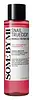
This barrier-repair toner is formulated around Snail Secretion Filtrate and Niacinamide to strengthen the skin barrier and calm redness.
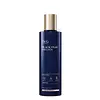
This calming toner is formulated around Niacinamide and Snail Secretion Filtrate to calm redness and hydrate skin.

What's inside
What's inside
 Key Ingredients
Benefits
Concerns
Ingredients Side-by-side
Snail Secretion Filtrate 90%
Skin Conditioning





Niacinamide
Smoothing







Dipropylene Glycol
Humectant1,2-Hexanediol
Skin Conditioning
Hydroxyethyl Urea
Humectant
Centella Asiatica Extract
Cleansing
Melaleuca Alternifolia Leaf Water
Antimicrobial
Artemisia Princeps Leaf Extract
Skin ConditioningLavandula Angustifolia Extract
Skin Conditioning

Rosmarinus Officinalis Extract
AntimicrobialChamomilla Recutita Flower Extract
Masking
Geranium Maculatum Extract
TonicSalvia Officinalis Leaf Extract
CleansingTrifolium Pratense Flower Extract
AstringentAlchemilla Vulgaris Leaf Extract
Antioxidant
Aspalathus Linearis Extract
Skin ConditioningHelichrysum Italicum Extract
AntiseborrhoeicHyacinthus Orientalis Extract
Skin ConditioningJasminum Sambac Flower Extract
Masking
Chrysanthemum Morifolium Flower Extract
Skin ConditioningNelumbium Speciosum Flower Extract
Skin ConditioningSambucus Nigra Flower Extract
RefreshingPrunus Mume Flower Extract
Skin ConditioningRobinia Pseudoacacia Flower Extract
Skin ConditioningSpiraea Ulmaria Flower Extract
Skin ConditioningGlycyrrhiza Glabra Root Extract
Bleaching
Cimicifuga Racemosa Root Extract
Antimicrobial
Polygonum Multiflorum Root Extract
Skin ConditioningSesamum Indicum Seed Extract
Skin Conditioning
Phellinus Linteus Extract
Skin ConditioningAngelica Gigas Root Extract
Skin ConditioningMorus Alba Bark Extract
Skin ConditioningPaeonia Lactiflora Root Extract
Skin ConditioningSophora Flavescens Root Extract
Antioxidant
Scutellaria Baicalensis Root Extract
Astringent
Hydrolyzed Glycosaminoglycans
HumectantGlycerin
Humectant
Sodium Hyaluronate
Humectant
Allantoin
Skin Conditioning
Arbutin
Antioxidant
Adenosine
Skin Conditioning
Glutathione
Madecassoside
Antioxidant
Madecassic Acid
Skin Conditioning
Asiaticoside
Antioxidant
Asiatic Acid
Skin Conditioning
C12-13 Pareth-9
EmulsifyingWater
Skin ConditioningBenzyl Glycol
SolventEthylhexylglycerin
Skin ConditioningRaspberry Ketone
Masking
Citrus Aurantium Bergamia Fruit Oil
Masking

Salvia Officinalis Oil
Masking
Limonene
Perfuming

Snail Secretion Filtrate 90%, Niacinamide, Dipropylene Glycol, 1,2-Hexanediol, Hydroxyethyl Urea, Centella Asiatica Extract, Melaleuca Alternifolia Leaf Water, Artemisia Princeps Leaf Extract, Lavandula Angustifolia Extract, Rosmarinus Officinalis Extract, Chamomilla Recutita Flower Extract, Geranium Maculatum Extract, Salvia Officinalis Leaf Extract, Trifolium Pratense Flower Extract, Alchemilla Vulgaris Leaf Extract, Aspalathus Linearis Extract, Helichrysum Italicum Extract, Hyacinthus Orientalis Extract, Jasminum Sambac Flower Extract, Chrysanthemum Morifolium Flower Extract, Nelumbium Speciosum Flower Extract, Sambucus Nigra Flower Extract, Prunus Mume Flower Extract, Robinia Pseudoacacia Flower Extract, Spiraea Ulmaria Flower Extract, Glycyrrhiza Glabra Root Extract, Cimicifuga Racemosa Root Extract, Polygonum Multiflorum Root Extract, Sesamum Indicum Seed Extract, Phellinus Linteus Extract, Angelica Gigas Root Extract, Morus Alba Bark Extract, Paeonia Lactiflora Root Extract, Sophora Flavescens Root Extract, Scutellaria Baicalensis Root Extract, Hydrolyzed Glycosaminoglycans, Glycerin, Sodium Hyaluronate, Allantoin, Arbutin, Adenosine, Glutathione, Madecassoside, Madecassic Acid, Asiaticoside, Asiatic Acid, C12-13 Pareth-9, Water, Benzyl Glycol, Ethylhexylglycerin, Raspberry Ketone, Citrus Aurantium Bergamia Fruit Oil, Salvia Officinalis Oil, Limonene
Water
Skin ConditioningButylene Glycol
Humectant
Glycerin
Humectant
Niacinamide
Smoothing
1,2-Hexanediol
Skin Conditioning
Snail Secretion Filtrate
Skin Conditioning
Panthenol
Skin Conditioning
Ammonium Acryloyldimethyltaurate/Vp Copolymer
Glyceryl Glucoside
Humectant
C12-13 Alketh-9
EmulsifyingCarbomer
Emulsion StabilisingParfum
Masking
Dioscorea Japonica Root Extract
Skin Conditioning
Ethylhexylglycerin
Skin ConditioningAdenosine
Skin Conditioning
Ecklonia Cava Extract
Skin Conditioning
Laminaria Japonica Extract
Skin Protecting
Disodium EDTA
ChelatingUndaria Pinnatifida Extract
Skin ConditioningCodium Fragile Extract
Skin Conditioning
Hizikia Fusiforme Extract
Skin Conditioning
Hydrolyzed Corn Starch
HumectantBeta-Glucan
Skin Conditioning
Portulaca Oleracea Extract
Skin Conditioning
Sucrose
Humectant
Glycyrrhiza Uralensis Root Extract
Skin Conditioning
Phellinus Linteus Extract
Skin ConditioningTocopherol
Antioxidant
Water, Butylene Glycol, Glycerin, Niacinamide, 1,2-Hexanediol, Snail Secretion Filtrate, Panthenol, Ammonium Acryloyldimethyltaurate/Vp Copolymer, Glyceryl Glucoside, C12-13 Alketh-9, Carbomer, Parfum, Dioscorea Japonica Root Extract, Ethylhexylglycerin, Adenosine, Ecklonia Cava Extract, Laminaria Japonica Extract, Disodium EDTA, Undaria Pinnatifida Extract, Codium Fragile Extract, Hizikia Fusiforme Extract, Hydrolyzed Corn Starch, Beta-Glucan, Portulaca Oleracea Extract, Sucrose, Glycyrrhiza Uralensis Root Extract, Phellinus Linteus Extract, Tocopherol
Reviews
Ingredients Explained
These ingredients are found in both products.
Ingredients higher up in an ingredient list are typically present in a larger amount.
1,2-Hexanediol is a synthetic liquid and another multi-functional powerhouse.
It is a:
- Humectant, drawing moisture into the skin
- Emollient, helping to soften skin
- Solvent, dispersing and stabilizing formulas
- Preservative booster, enhancing the antimicrobial activity of other preservatives
Adenosine is a purine nucleoside that your body already makes in every cell. In skincare, it acts mainly as a skin conditioning and anti-aging agent.
The way it works is fairly well mapped out:
Your skin has cells called fibroblasts that build collagen (the stuff that keeps skin firm and smooth). Adenosine basically flips a switch on these cells that tells them to get to work making more collagen and other proteins. These cells slow down on their own as skin ages, so Adenosine helps give them a little nudge to keep going.
The clinical backing is pretty solid too.
A blind, randomized, placebo-controlled trial of 126 women aged 45-65 tested a 0.1% cream twice daily and found real improvements in crow's feet and frown lines using a precise 3D skin-mapping technique; these changes showed up by week 3 and held at 2 months.
A later study using Adenosine-loaded dissolving microneedle patches reported gains in wrinkle depth, dermal density, elasticity, and hydration.
On concentrations, South Korea's Ministry of Food and Drug Safety has set 0.04% as the approved functional anti-wrinkle level. You'll typically see this ingredient used somewhere in the 0.04-0.1% range since it works at low doses.
This ingredient has been found safe for cosmetics with the data showing no irritation or sensitization.
Overall, this is a great ingredient for any anti-aging routine and has no photosensitizing effect, so it suits both AM and PM use.
Learn more about AdenosineEthylhexylglycerin is created from glycerin. It is a multitasker ingredient that:
The CIR Expert Panel found minimal skin absorption or sensitization of any kind in a safety assessment. Though this ingredient is considered well-tolerated, a small number of cases of allergic dermatitis have been published since 2002. Just be sure to patch test if you are unsure.
Industry-reported use ranges from 8% in rinse-off products and 2% in leave-on formulations.
Learn more about EthylhexylglycerinGlycerin (or glycerol) is a compound naturally found in your skin. It's a powerhouse humectant that pulls water into the stratum corneum.
Topically, glycerin does several things at once:
Your skin makes glycerin on its own (mostly from sebaceous oil breakdown) and shuttles it to your outermost layer of skin, or your epidermis, via aquaporin-3.
Aquaporin-3 is a transporter that is essential for normal skin hydration, elasticity, and repair. Interestingly, mice lacking in AQP3 have dry and less elastic skin that can be fully corrected with glycerin.
This ingredient is non-irritating, plays well with almost every ingredient, and works across all skin types. Typical use is anywhere between 3-10% but can go up to 79% in some leave-on products.
Just know very high concentrations (>40%) can feel tacky in low humidity.
Glycerin is the name for this ingredient in American English. British English uses Glycerol/Glycerine.
Learn more about GlycerinNiacinamide is a multitasking form of vitamin B3 that strengthens the skin barrier, reduces pores and dark spots, regulates oil, and improves signs of aging.
And the best part? It's gentle and well-tolerated by most skin types, including sensitive and reactive skin.
You might have heard of "niacin flush", or the reddening of skin that causes itchiness. Niacinamide has not been found to cause this.
In very rare cases, some individuals may not be able to tolerate niacinamide at all or experience an allergic reaction to it.
If you are experiencing flaking, irritation, and dryness with this ingredient, be sure to double check all your products as this ingredient can be found in all categories of skincare.
When incorporating niacinamide into your routine, look out for concentration amounts. Typically, 5% niacinamide provides benefits such as fading dark spots. However, if you have sensitive skin, it is better to begin with a smaller concentration.
When you apply niacinamide to your skin, your body converts it into nicotinamide adenine dinucleotide (NAD). NAD is an essential coenzyme that is already found in your cells as "fuel" and powers countless biological processes.
In your skin, NAD helps repair cell damage, produce new healthy cells, support collagen production, strengthen the skin barrier, and fight environmental stressors (like UV and pollution).
Our natural NAD levels start to decline with age, leading to slower skin repair, visible aging, and a weaker skin barrier. By providing your skin niacinamide, you're recharging your skin's NAD levels. This leads to stronger, healthier, and younger looking skin.
Another name for vitamin B3 is nicotinamide. This vitamin is water-soluble and our bodies don't store it. We obtain Vitamin B3 from either food or skincare. Meat, fish, wheat, yeast, and leafy greens contain vitamin B3.
The type of niacinamide used in skincare is synthetically created.
Learn more about NiacinamideWe don't have a description for Phellinus Linteus Extract yet.
Snail Secretion Filtrate (the slimy mucus that garden snails produce) is a multitasking ingredient that shows up in "skin repair" formulas.
This ingredient works because it's a grab bag of skin-friendly stuff like:
In a formula, it acts as a humectant and barrier-supporting soother and the research backs this up as well.
A 2025 systematic review of human clinical trials found that snail-derived ingredients improved signs of aging, increased skin hydration, decreased transepidermal water loss, and improved healing after radiation therapy/fractional laser treatment.
Lab studies have also shown the secretion promotes the proliferation, migration, and survival of the cells that rebuild skin (keratinocytes and dermal fibroblasts).
There's also a placebo-controlled study where a serum containing it helped with mask-related acne.
Overall, this is a gentle, water-based multitasker that works great for hydrating and supporting the skin barrier. However, please see the section below if you have dust mite or shellfish allergies.
You'll see snail filtrate listed at very different percentages depending on the product. Some Korean serums list it near the top of the ingredients at 90% or more while other products use just a few percent.
This doesn't mean the high-percentage ones are far stronger. Raw snail filtrate is mostly water to begin with so using a lot of it isn't the same thing as using a lot of the active ingredients.
Other products use a concentrated version so a small amount goes a long way. Either approach can work well. Just know the percentage on the label isn't a reliable way to judge how effective a snail product will be.
Being cruelty-free means a brand does not experiment on animals. If you're worried about the well-being of the snails, we recommend looking more into the company of the product. Many brands claim to have developed humane methods to collect snail mucin.
There is much debate on this subject. On one hand, this ingredient comes from an animal. On the other hand, many will argue the ingredient is naturally secreted (like a natural by-product) and therefore vegan. If you have reservations, you can look into Galactomyces Ferment Filtrate or Centella Asiatica Extract as alternatives.
This ingredient is fungal acne safe. Its core composition lacks the fatty acid/ester triggers that Malassezia depends on.
True allergy to Snail Secretion Filtrate is uncommon and most documented cases are linked to a dust mite allergy.
Snail proteins (including Tropomyosin) are similar enough to dust mite proteins that the immune system can confuse them.
In most documented cases, the dust mite was the original trigger and tropomyosin turned out to be only a minor player in some studies (so this has not been fully confirmed).
Another thing to know is that nearly all the evidence comes from eating snails or inhaling the protein and not from cosmetics.
However, the allergenic proteins can survive filtration into a finished product; a topical reaction is biologically plausible but there's little published evidence of it actually happening.
People who are allergic to dust mites (or sometimes shellfish) are the most likely to react.
Learn more about Snail Secretion FiltrateWater. It's the most common cosmetic ingredient of all. You'll usually see it at the top of ingredient lists, meaning that it makes up the largest part of the product.
So why is it so popular? Water most often acts as a solvent - this means that it helps dissolve other ingredients into the formulation.
You'll also recognize water as that liquid we all need to stay alive. If you see this, drink a glass of water. Remember to stay hydrated!
Learn more about Water


