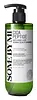
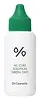
Some By Mi Cica Peptide Anti Hair Loss Derma Scalp Shampoo Versus Dr.Ceuracle AC Cure Solution Green Two
This acne toner is formulated around Chamomilla Recutita Flower Extract and Dipotassium Glycyrrhizate to clear breakouts and balance excess oil.

What's inside
What's inside
 Key Ingredients
Benefits
Concerns
Ingredients Side-by-side
Water
Skin ConditioningCocamidopropyl Betaine
Cleansing



Tea-Cocoyl Glutamate
Cleansing
Sodium Lauroyl Methylaminopropionate
CleansingDisodium Laureth Sulfosuccinate
CleansingCocamide Mea
Emulsifying
Sodium Chloride
MaskingParfum
Masking

Polyquaternium-10
Caprylyl Glycol
Emollient
Hydroxyacetophenone
Antioxidant
PPG-3 Myristyl Ether
EmollientPanthenol
Skin Conditioning




Salicylic Acid
Masking







Menthol
Masking
Citric Acid
Buffering
Niacinamide
Smoothing


Sodium Benzoate
Masking
Pentasodium Pentetate
Butylene Glycol
Humectant
Gluconolactone
Skin Conditioning
Aminomethyl Propanol
Buffering1,2-Hexanediol
Skin Conditioning
Biotin
AntiseborrhoeicMentha Piperita Leaf Extract
Skin ConditioningMentha Viridis Extract
MaskingLeonurus Sibiricus Flower/Leaf/Stem Extract
SoothingNelumbo Nucifera Flower Extract
Skin ConditioningHouttuynia Cordata Extract
Skin Conditioning
Artemisia Vulgaris Extract
Skin Conditioning
Camellia Sinensis Leaf Extract
Antimicrobial
Mentha Rotundifolia Leaf Extract
TonicCentella Asiatica Extract
Cleansing
Ethylhexylglycerin
Skin ConditioningHydrolyzed Corn Protein
Skin ConditioningHydrolyzed Soy Protein
Humectant
Hydrolyzed Wheat Protein
Skin ConditioningHexapeptide-9
Skin Conditioning
Palmitoyl Pentapeptide-4
Skin Conditioning
Palmitoyl Tripeptide-5
Skin Conditioning
Palmitoyl Tripeptide-1
Skin Conditioning
Palmitoyl Tetrapeptide-7
Skin Conditioning
Palmitoyl Oligopeptide
Cleansing
Tripeptide-1
Skin Conditioning
Copper Tripeptide-1
Skin Conditioning
Asiatic Acid
Skin Conditioning
Asiaticoside
Antioxidant
Acetyl Hexapeptide-8
Humectant
Acetyl Tetrapeptide-2
Skin Conditioning
Madecassic Acid
Skin Conditioning
Madecassoside
Antioxidant
Nonapeptide-1
Skin Conditioning
Water, Cocamidopropyl Betaine, Tea-Cocoyl Glutamate, Sodium Lauroyl Methylaminopropionate, Disodium Laureth Sulfosuccinate, Cocamide Mea, Sodium Chloride, Parfum, Polyquaternium-10, Caprylyl Glycol, Hydroxyacetophenone, PPG-3 Myristyl Ether, Panthenol, Salicylic Acid, Menthol, Citric Acid, Niacinamide, Sodium Benzoate, Pentasodium Pentetate, Butylene Glycol, Gluconolactone, Aminomethyl Propanol, 1,2-Hexanediol, Biotin, Mentha Piperita Leaf Extract, Mentha Viridis Extract, Leonurus Sibiricus Flower/Leaf/Stem Extract, Nelumbo Nucifera Flower Extract, Houttuynia Cordata Extract, Artemisia Vulgaris Extract, Camellia Sinensis Leaf Extract, Mentha Rotundifolia Leaf Extract, Centella Asiatica Extract, Ethylhexylglycerin, Hydrolyzed Corn Protein, Hydrolyzed Soy Protein, Hydrolyzed Wheat Protein, Hexapeptide-9, Palmitoyl Pentapeptide-4, Palmitoyl Tripeptide-5, Palmitoyl Tripeptide-1, Palmitoyl Tetrapeptide-7, Palmitoyl Oligopeptide, Tripeptide-1, Copper Tripeptide-1, Asiatic Acid, Asiaticoside, Acetyl Hexapeptide-8, Acetyl Tetrapeptide-2, Madecassic Acid, Madecassoside, Nonapeptide-1
Water
Skin ConditioningAlcohol
Antimicrobial
Sodium PCA
Humectant
Chamomilla Recutita Flower Extract
Masking
Butylene Glycol
Humectant
Propylene Glycol
Humectant
Sodium Lactate
Buffering
Dipotassium Glycyrrhizate
Humectant
Methyl Gluceth-20
Humectant
Potassium Chloride
Hydroxyacetophenone
Antioxidant
Arginine
Masking
Aloe Barbadensis Leaf Juice Powder
Skin Conditioning
Aluminum Sulfate
AstringentBetaine
Humectant
Ethylhexylglycerin
Skin ConditioningCaprylyl Glycol
Emollient
Magnesium Aspartate
Skin ConditioningZinc Gluconate
Skin Conditioning
Centella Asiatica Extract
Cleansing
Sorbitol
Humectant
Sodium Hyaluronate
Humectant
Portulaca Oleracea Extract
Skin Conditioning
Serine
Masking
Glycine
Buffering
Copper Gluconate
Skin Conditioning
Glutamic Acid
Humectant
Alanine
Masking
Lysine
Skin ConditioningThreonine
Proline
Skin Conditioning
Glycyrrhiza Glabra Root Extract
Bleaching
Silkworm Extract
Skin ConditioningPoria Cocos Sclerotium Extract
AstringentPanax Ginseng Root Extract
Emollient
Schizonepeta Tenuifolia Extract
Skin ConditioningPogostemon Cablin Leaf Extract
Perfuming
Citrus Unshiu Pericarp Extract
Skin ConditioningCnidium Officinale Root Extract
Skin ConditioningWater, Alcohol, Sodium PCA, Chamomilla Recutita Flower Extract, Butylene Glycol, Propylene Glycol, Sodium Lactate, Dipotassium Glycyrrhizate, Methyl Gluceth-20, Potassium Chloride, Hydroxyacetophenone, Arginine, Aloe Barbadensis Leaf Juice Powder, Aluminum Sulfate, Betaine, Ethylhexylglycerin, Caprylyl Glycol, Magnesium Aspartate, Zinc Gluconate, Centella Asiatica Extract, Sorbitol, Sodium Hyaluronate, Portulaca Oleracea Extract, Serine, Glycine, Copper Gluconate, Glutamic Acid, Alanine, Lysine, Threonine, Proline, Glycyrrhiza Glabra Root Extract, Silkworm Extract, Poria Cocos Sclerotium Extract, Panax Ginseng Root Extract, Schizonepeta Tenuifolia Extract, Pogostemon Cablin Leaf Extract, Citrus Unshiu Pericarp Extract, Cnidium Officinale Root Extract
Reviews
Ingredients Explained
These ingredients are found in both products.
Ingredients higher up in an ingredient list are typically present in a larger amount.
Butylene Glycol (or BG) is used within cosmetic products for a few different reasons:
Overall, Butylene Glycol is a safe and well-rounded ingredient that works well with other ingredients.
Though this ingredient works well with most skin types, some people with sensitive skin may experience a reaction such as allergic rashes, closed comedones, or itchiness.
Learn more about Butylene GlycolCaprylyl Glycol is a humectant, skin conditioner, emollient, and preservative booster derived from either caprylic acid or synthetically created.
Typical use levels vary from 0.3-1% as a preservative booster and go up to 2% to condition skin.
Because it is not a free-fatty acid, this ingredient is fungal acne safe (there's nothing for Malassezia to feed on).
Learn more about Caprylyl GlycolCentella Asiatica Extract (Centella) is one of the most researched botanical extracts in skincare with decades of studies backing its effects on inflammation, collagen, and the skin barrier.
That research keeps pointing back to the same four triterpenoid saponins: Asiaticoside, Madecassoside, Asiatic Acid, and Madecassic Acid.
These compounds allow centella to dial back inflammation, encourage the skin to build and hold onto collagen, support the barrier and hydration, and bring solid antioxidant activity to protect against signs of aging.
Centella also carries a nice supporting cast of Vitamin A, vitamin C, several B vitamins, and amino acids. Put it all together and you get an ingredient that soothes, hydrates, and protects, all at once.
Most of centella's magic comes from the four big compounds (Asiaticoside, Madecassoside, Asiatic Acid, and Madecassic Acid). These are the actives doing the heavy lifting in almost every centella study.
Here is the short version of what they do in the skin:
So it is not just soothing for the sake of soothing. Centella calms the skin AND helps it rebuild.
Just FYI, not all centella on an ingredient list is the same. What you are getting actually depends on the extract:
Fun fact on the ratios: the leaves tend to be richest in Madecassoside and Asiaticoside, and lower in the two acids. The exact amounts shift with where the plant is grown and how it is processed. This means purity really does vary brand to brand.
Centella is one of the most easygoing actives out there.
It layers well with basically everything: niacinamide, hyaluronic acid, peptides, and vitamin C, and also pairs nicely with stronger actives like retinoids and exfoliating acids where it can help take the edge off irritation.
On the safety side, centella and its triterpenes are classified as weak sensitizers, meaning allergic reactions are possible but uncommon.
Patch tests at 1% and 5% came back negative in test panels, and creams at typical use levels did not cause allergic reactions across large groups of people.
But as with any new active, a patch test is still a smart move for very reactive skin.
Centella is widely used because it is effective at low percentages. For context, human safety testing found no meaningful irritation from creams containing centella extract at everyday use levels (the tested amounts were well under 1%).
The irritancy threshold in animal testing was also above 30% (so real-world formulas sit far below anything concerning).
In collagen lab studies, higher concentrations drove more collagen synthesis, so serums built around centella tend to feature it more prominently.
Bottom line: you will find centella working nicely anywhere from a fraction of a percent up to hero-ingredient levels depending on whether it is a supporting soother or the main event.
Fun fact: Centella has been used as a medicine and in food for many centuries. As a medicine, it is used to treat burns, scratches, and wounds.
Learn more about Centella Asiatica ExtractEthylhexylglycerin is created from glycerin. It is a multitasker ingredient that:
The CIR Expert Panel found minimal skin absorption or sensitization of any kind in a safety assessment. Though this ingredient is considered well-tolerated, a small number of cases of allergic dermatitis have been published since 2002. Just be sure to patch test if you are unsure.
Industry-reported use ranges from 8% in rinse-off products and 2% in leave-on formulations.
Learn more about EthylhexylglycerinHydroxyacetophenone is a small phenolic molecule that earns its place in a formulas as an antioxidant and preservative booster.
As a phenol, it is able to neutralize free radicals to protect both the product and the skin from oxidative stress.
Though it can't kill microbes on its own, it works as a good supporting agent when combined with other preservatives like Phenoxyethanol or 1,2-Hexanediol.
This ingredient naturally occurs as piceol in Norwegian spruce needles (~0.4-1.1% dry weight and in cloudberries). Though the cosmetic-grade material is synthesized for purity and consistency.
You'll usually see it used at low levels and suppliers recommend up to 1% added to a water phase.
Safety testing was done at concentrations like 0.05% in SPF products and 0.5% in a Human Repeated Insult Patch Test. The safety evidence is assuring; this ingredient is safe for cosmetics in current use and also holds safety status as a food flavoring as well.
An honest caveat: the "soothing" and "anti-inflammatory" claims come mostly from supplier marketing rather than published clinical trials. The Cosmetic Ingredient Review's own literature search found no useful efficacy studies on this ingredient.
So the antioxidant and preservative-boosting roles are the well supported ones while the calming benefit is plausible but thinly evidenced.
Overall, this is a well-tolerated, low-irritation multitasker that quietly helps a formula stay fresh and stable.
Learn more about HydroxyacetophenoneWater. It's the most common cosmetic ingredient of all. You'll usually see it at the top of ingredient lists, meaning that it makes up the largest part of the product.
So why is it so popular? Water most often acts as a solvent - this means that it helps dissolve other ingredients into the formulation.
You'll also recognize water as that liquid we all need to stay alive. If you see this, drink a glass of water. Remember to stay hydrated!
Learn more about Water

