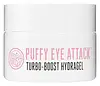
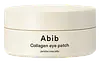
Soap & Glory Puffy Eye Attack Turbo-Boost Hydragel Versus Abib Collagen Eye Patch Jericho Rose Jelly
This calming eye moisturizer is formulated around Caffeine and Panax Ginseng Root Extract to calm redness and hydrate skin.
This anti-aging eye mask is formulated around Niacinamide and Collagen Extract to soften the look of wrinkles and hydrate skin.


What's inside
What's inside
 Key Ingredients
Benefits
Concerns
Ingredients Side-by-side
Water
Skin ConditioningGlycerin
Humectant


Butylene Glycol
Humectant
Coco-Caprylate/Caprate
Emollient
PEG-8
HumectantAluminum Starch Octenylsuccinate
Absorbent
Dimethicone
Emollient
Butyrospermum Parkii Butter
Skin Conditioning




Phenoxyethanol
Preservative
Sodium Polyacrylate
Absorbent
Hydrolyzed Rice Protein
Skin ConditioningGlyceryl Stearate
Emollient
Hydroxyethyl Urea
Humectant
Ethylhexylglycerin
Skin ConditioningHydrogenated Polydecene
EmollientCetyl Alcohol
Emollient
Acrylates/C10-30 Alkyl Acrylate Crosspolymer
Emulsion StabilisingSclerotium Gum
Emulsion StabilisingSodium Hydroxide
BufferingCaffeine
Skin Conditioning

Disodium EDTA
ChelatingTrideceth-6
EmulsifyingC12-16 Alcohols
EmollientGlycine Soja Protein
EmulsifyingPanax Ginseng Root Extract
Emollient
Superoxide Dismutase
Antioxidant

Glyceryl Acrylate/Acrylic Acid Copolymer
HumectantSodium Benzoate
Masking
Hydrogenated Lecithin
Emulsifying
Palmitic Acid
Emollient
Gynostemma Pentaphyllum Extract
AstringentAmmonium Lactate
Buffering

Sodium Hyaluronate
Humectant
Oryza Sativa Starch
AbsorbentAloe Barbadensis Leaf Juice
Skin Conditioning
Punica Granatum Bark Extract
MaskingTocopherol
Antioxidant

Sodium Dextran Sulfate
Gel FormingAscorbyl Palmitate
Antioxidant
Cucumis Sativus Fruit Extract
Emollient
Sophora Japonica Flower Extract
Skin ProtectingOryza Sativa Bran Oil
Emollient
Potassium Sorbate
Preservative
Xanthan Gum
EmulsifyingPropylene Glycol Dicaprylate/Dicaprate
EmollientAscorbic Acid
Antioxidant
Citric Acid
Buffering
Citrus Nobilis Fruit Extract
MaskingPrunus Armeniaca Fruit Extract
Skin ConditioningPrunus Persica Fruit Extract
Abrasive
Nicotiana Sylvestris Leaf Cell Culture
Skin ConditioningWater, Glycerin, Butylene Glycol, Coco-Caprylate/Caprate, PEG-8, Aluminum Starch Octenylsuccinate, Dimethicone, Butyrospermum Parkii Butter, Phenoxyethanol, Sodium Polyacrylate, Hydrolyzed Rice Protein, Glyceryl Stearate, Hydroxyethyl Urea, Ethylhexylglycerin, Hydrogenated Polydecene, Cetyl Alcohol, Acrylates/C10-30 Alkyl Acrylate Crosspolymer, Sclerotium Gum, Sodium Hydroxide, Caffeine, Disodium EDTA, Trideceth-6, C12-16 Alcohols, Glycine Soja Protein, Panax Ginseng Root Extract, Superoxide Dismutase, Glyceryl Acrylate/Acrylic Acid Copolymer, Sodium Benzoate, Hydrogenated Lecithin, Palmitic Acid, Gynostemma Pentaphyllum Extract, Ammonium Lactate, Sodium Hyaluronate, Oryza Sativa Starch, Aloe Barbadensis Leaf Juice, Punica Granatum Bark Extract, Tocopherol, Sodium Dextran Sulfate, Ascorbyl Palmitate, Cucumis Sativus Fruit Extract, Sophora Japonica Flower Extract, Oryza Sativa Bran Oil, Potassium Sorbate, Xanthan Gum, Propylene Glycol Dicaprylate/Dicaprate, Ascorbic Acid, Citric Acid, Citrus Nobilis Fruit Extract, Prunus Armeniaca Fruit Extract, Prunus Persica Fruit Extract, Nicotiana Sylvestris Leaf Cell Culture
Water
Skin ConditioningGlycerin
Humectant
Niacinamide
Smoothing


Chondrus Crispus Powder
Abrasive
Collagen Extract
Skin Conditioning
1,2-Hexanediol
Skin Conditioning
Betaine
Humectant
Ceratonia Siliqua Gum
EmollientCyamopsis Tetragonoloba Gum
Emulsion StabilisingHydroxyacetophenone
Antioxidant
Chondrus Crispus
Masking
Calcium Chloride
AstringentAllantoin
Skin Conditioning
Butyrospermum Parkii Butter
Skin Conditioning
Propanediol
Solvent
Polyglyceryl-10 Laurate
Skin Conditioning
Polyglyceryl-3 Methylglucose Distearate
Emulsifying
Potassium Chloride
Anastatica Hierochuntica Extract
AstringentCellulose Gum
Emulsion StabilisingRicinus Communis Seed Oil
Masking
Trehalose
Humectant
Sucrose
Humectant
Caprylyl Glycol
Emollient
Adenosine
Skin Conditioning
Ethylhexylglycerin
Skin ConditioningDipotassium Glycyrrhizate
Humectant
Sodium Hyaluronate
Humectant
Caffeine
Skin Conditioning
Panthenol
Skin Conditioning
Ceramide NP
Skin Conditioning
Palmitoyl Tripeptide-5
Skin Conditioning
Water, Glycerin, Niacinamide, Chondrus Crispus Powder, Collagen Extract, 1,2-Hexanediol, Betaine, Ceratonia Siliqua Gum, Cyamopsis Tetragonoloba Gum, Hydroxyacetophenone, Chondrus Crispus, Calcium Chloride, Allantoin, Butyrospermum Parkii Butter, Propanediol, Polyglyceryl-10 Laurate, Polyglyceryl-3 Methylglucose Distearate, Potassium Chloride, Anastatica Hierochuntica Extract, Cellulose Gum, Ricinus Communis Seed Oil, Trehalose, Sucrose, Caprylyl Glycol, Adenosine, Ethylhexylglycerin, Dipotassium Glycyrrhizate, Sodium Hyaluronate, Caffeine, Panthenol, Ceramide NP, Palmitoyl Tripeptide-5
Reviews
Ingredients Explained
These ingredients are found in both products.
Ingredients higher up in an ingredient list are typically present in a larger amount.
This ingredient is also known as shea butter. It is a plant-derived extract from the nuts of the Africa shea tree and one of the most well-studied emollients.
Because it has a high concentration of fatty acids (primarily oleic, stearic, and linoleic) it is able to form a protective barrier on the skin's surface. This helps seal in moisture and prevents transepidermal water loss (TEWL).
In vitro research found an increase in skin hydration by 58% and a decrease in TEWL by 37.8% after 24 hours of applying this ingredient (pretty impressive for a single ingredient!).
Besides hydration, shea butter also contains triterpenes that have anti-inflammatory potential. In particule, lupeol cinnamate has shown the highest anti-inflammatory activity in vivo.
Shea butter also contains vitamins A and E which may contribute to antioxidant activity.
While Shea Butter has an SPF rating of about 3-4, it is not a sunscreen replacement.
This ingredient may not be fungal acne safe because its fatty acids fall within the C11-C24 range that the Malassezia yeast can metabolize.
This ingredient shows up on a lot of "pore-clogging" lists but there's no real evidence behind that. It doesn't even have a comedogenic rating from an actual study; the numbers you'll find online come from blogs citing other blogs.
Ratings for other ingredients mostly come from a 1980s rabbit ear test. This test doesn't translate well to human skin or to real products because the ingredient sits at a much lower percentage.
Some people still find it breaks them out. So if that's you, definitely trust your skin. Just know this one's based on experience and not evidence.
Learn more about Butyrospermum Parkii ButterCaffeine is a naturally occurring plant compound found in coffee beans, tea leaves, cocoa pods, and guarana.
As an antioxidant, caffeine protects your skin from free radical damage caused by UV exposure and envionrmnetal stressors.
Early research also shows that caffeine can help calm redness, soothe irritated skin, and support hair growth by stimulating microcirculation in the scalp.
You might have seen eye creams marketing caffeine as a depuffing ingredient. This is because it is a vasoconstrictor meaning it can temporarily constrict blood vessels, though clinical evidence for this specific use is still limited.
Most skincare products contain this ingredient at concentrations between 1-6%. It is able to penetrate skin easily regardless of skin type or thickness.
Just so you know, a very small number of case reports describe caffeine-induced allergy. This ingredient is generally well-tolerated, non-irritating, and non-sensitizing for the majority of people.
Learn more about CaffeineEthylhexylglycerin is created from glycerin. It is a multitasker ingredient that:
The CIR Expert Panel found minimal skin absorption or sensitization of any kind in a safety assessment. Though this ingredient is considered well-tolerated, a small number of cases of allergic dermatitis have been published since 2002. Just be sure to patch test if you are unsure.
Industry-reported use ranges from 8% in rinse-off products and 2% in leave-on formulations.
Learn more about EthylhexylglycerinGlycerin (or glycerol) is a compound naturally found in your skin. It's a powerhouse humectant that pulls water into the stratum corneum.
Topically, glycerin does several things at once:
Your skin makes glycerin on its own (mostly from sebaceous oil breakdown) and shuttles it to your outermost layer of skin, or your epidermis, via aquaporin-3.
Aquaporin-3 is a transporter that is essential for normal skin hydration, elasticity, and repair. Interestingly, mice lacking in AQP3 have dry and less elastic skin that can be fully corrected with glycerin.
This ingredient is non-irritating, plays well with almost every ingredient, and works across all skin types. Typical use is anywhere between 3-10% but can go up to 79% in some leave-on products.
Just know very high concentrations (>40%) can feel tacky in low humidity.
Glycerin is the name for this ingredient in American English. British English uses Glycerol/Glycerine.
Learn more about GlycerinSodium Hyaluronate is the salt form of hyaluronic acid. It is a long sugar chain that is naturally found in your skin, joints, and connective tissue that maintains hydration and elasticity.
In skincare, it works as a humectant. It pulls water from the environment and deeper layers of skin and binds it to the surface.
Interestingly, the size of the molecule affects its behavior:
Some clinical evidence links low molecular weight versions to improved wrinkle depth, elasticity, anti-inflammatory effects, and barrier repair.
Many serums use a blend of both weights so you can get surface hydration plus longer-lasting and deeper effects.
You'll typically see concentrations between 0.1-2% for this ingredient.
Learn more about Sodium HyaluronateWater. It's the most common cosmetic ingredient of all. You'll usually see it at the top of ingredient lists, meaning that it makes up the largest part of the product.
So why is it so popular? Water most often acts as a solvent - this means that it helps dissolve other ingredients into the formulation.
You'll also recognize water as that liquid we all need to stay alive. If you see this, drink a glass of water. Remember to stay hydrated!
Learn more about Water

