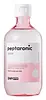
This hydrating toner is formulated around Sodium Hyaluronate and Palmitoyl Pentapeptide-4 to hydrate skin and soften the look of wrinkles.
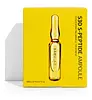
This calming ampoule is formulated around Propolis Extract and Niacinamide to calm redness and soften the look of wrinkles.

What's inside
What's inside
 Key Ingredients
Benefits
Concerns
Ingredients Side-by-side
Water
Skin ConditioningGlycerin
Humectant


Propylene Glycol
Humectant

1,2-Hexanediol
Skin Conditioning
PEG-60 Hydrogenated Castor Oil
Emulsifying

Carbomer
Emulsion StabilisingArginine
Masking
Hydroxyethylcellulose
Emulsion StabilisingEthylhexylglycerin
Skin ConditioningParfum
Masking


Disodium EDTA
ChelatingPentylene Glycol
Skin Conditioning
Xanthan Gum
EmulsifyingButylene Glycol
Humectant
Sodium Hyaluronate
Humectant


Sodium Hyaluronate Crosspolymer
Humectant
Polyglyceryl-10 Laurate
Skin Conditioning
Hydrolyzed Collagen
Emollient
Hydrolyzed Hyaluronic Acid
Humectant
Hyaluronic Acid
Humectant
Caprylyl Glycol
Emollient
Hydrolyzed Sodium Hyaluronate
Skin Conditioning
Palmitoyl Pentapeptide-4
Skin Conditioning

Palmitoyl Tripeptide-1
Skin Conditioning
Tripeptide-1
Skin Conditioning
Hexapeptide-9
Skin Conditioning
Hexapeptide-11
Skin Conditioning
Copper Tripeptide-1
Skin Conditioning
Water, Glycerin, Propylene Glycol, 1,2-Hexanediol, PEG-60 Hydrogenated Castor Oil, Carbomer, Arginine, Hydroxyethylcellulose, Ethylhexylglycerin, Parfum, Disodium EDTA, Pentylene Glycol, Xanthan Gum, Butylene Glycol, Sodium Hyaluronate, Sodium Hyaluronate Crosspolymer, Polyglyceryl-10 Laurate, Hydrolyzed Collagen, Hydrolyzed Hyaluronic Acid, Hyaluronic Acid, Caprylyl Glycol, Hydrolyzed Sodium Hyaluronate, Palmitoyl Pentapeptide-4, Palmitoyl Tripeptide-1, Tripeptide-1, Hexapeptide-9, Hexapeptide-11, Copper Tripeptide-1
Propolis Extract 85.3%
Skin Conditioning

Glycerin
Humectant
Butylene Glycol
Humectant
Niacinamide
Smoothing




1,2-Hexanediol
Skin Conditioning
Water
Skin ConditioningBetaine
Humectant
Sodium Carbomer
Emulsion StabilisingEthylhexylglycerin
Skin ConditioningCentaurea Cyanus Flower Extract
Astringent
Borago Officinalis Extract
Emollient
Chamomilla Recutita Flower Extract
Masking
Allantoin
Skin Conditioning
Panthenol
Skin Conditioning
Polyglyceryl-10 Laurate
Skin Conditioning
Hyacinthus Orientalis Extract
Skin ConditioningLavandula Angustifolia Flower Extract
Cleansing
Salvia Sclarea Extract
AntiseborrhoeicAdenosine
Skin Conditioning
Disodium EDTA
ChelatingAcrylates/C10-30 Alkyl Acrylate Crosspolymer
Emulsion StabilisingSodium Polyacrylate
Absorbent
Hydroxyethylcellulose
Emulsion StabilisingTocopherol
Antioxidant

Honey Extract
Humectant
Salix Alba Bark Extract
Astringent
Beta-Glucan
Skin Conditioning
Centella Asiatica Extract
Cleansing
Lecithin
Emollient
Lactobacillus/Soybean Ferment Extract
Skin ConditioningCamellia Sinensis Leaf Extract
Antimicrobial
Polysorbate 20
Emulsifying
Aphanothece Sacrum Polysaccharide
AbsorbentCopper Ascorbyl Phosphate Succinoyl Tripeptide-34

Oligopeptide-1
Skin Conditioning
Oligopeptide-3
Skin Conditioning
Palmitoyl Pentapeptide-4
Skin Conditioning
Palmitoyl Tripeptide-1
Skin Conditioning
Oligopeptide-6
Skin Conditioning
Parfum
Masking
Propolis Extract 85.3%, Glycerin, Butylene Glycol, Niacinamide, 1,2-Hexanediol, Water, Betaine, Sodium Carbomer, Ethylhexylglycerin, Centaurea Cyanus Flower Extract, Borago Officinalis Extract, Chamomilla Recutita Flower Extract, Allantoin, Panthenol, Polyglyceryl-10 Laurate, Hyacinthus Orientalis Extract, Lavandula Angustifolia Flower Extract, Salvia Sclarea Extract, Adenosine, Disodium EDTA, Acrylates/C10-30 Alkyl Acrylate Crosspolymer, Sodium Polyacrylate, Hydroxyethylcellulose, Tocopherol, Honey Extract, Salix Alba Bark Extract, Beta-Glucan, Centella Asiatica Extract, Lecithin, Lactobacillus/Soybean Ferment Extract, Camellia Sinensis Leaf Extract, Polysorbate 20, Aphanothece Sacrum Polysaccharide, Copper Ascorbyl Phosphate Succinoyl Tripeptide-34, Oligopeptide-1, Oligopeptide-3, Palmitoyl Pentapeptide-4, Palmitoyl Tripeptide-1, Oligopeptide-6, Parfum
Reviews
Ingredients Explained
These ingredients are found in both products.
Ingredients higher up in an ingredient list are typically present in a larger amount.
1,2-Hexanediol is a synthetic liquid and another multi-functional powerhouse.
It is a:
- Humectant, drawing moisture into the skin
- Emollient, helping to soften skin
- Solvent, dispersing and stabilizing formulas
- Preservative booster, enhancing the antimicrobial activity of other preservatives
Butylene Glycol (or BG) is used within cosmetic products for a few different reasons:
Overall, Butylene Glycol is a safe and well-rounded ingredient that works well with other ingredients.
Though this ingredient works well with most skin types, some people with sensitive skin may experience a reaction such as allergic rashes, closed comedones, or itchiness.
Learn more about Butylene GlycolDisodium EDTA is a chelating agent. It grabs onto and deactivates metal ions that sneak into your products from water, packaging, or air.
This ingredient mainly works behind the scenes and helps with:
On top of that, this ingredient can counteract the effects of hard water by binding to the minerals in it.
One thing worth knowing is that Disodium EDTA has been shown to be a mild penetration enhancer. It can help other ingredients absorb into skin more effectively which can be a double-edged sword (great for actives, but can also make the active too strong if you have sensitive skin).
Clinical patch testing showed no significant skin irritation at typical use concentrations and minimal dermal absorption.
You'll most likely see this ingredient near the end of an ingredient list. It's typically found in concentrations less than 1%.
Learn more about Disodium EDTAEthylhexylglycerin is created from glycerin. It is a multitasker ingredient that:
The CIR Expert Panel found minimal skin absorption or sensitization of any kind in a safety assessment. Though this ingredient is considered well-tolerated, a small number of cases of allergic dermatitis have been published since 2002. Just be sure to patch test if you are unsure.
Industry-reported use ranges from 8% in rinse-off products and 2% in leave-on formulations.
Learn more about EthylhexylglycerinGlycerin (or glycerol) is a compound naturally found in your skin. It's a powerhouse humectant that pulls water into the stratum corneum.
Topically, glycerin does several things at once:
Your skin makes glycerin on its own (mostly from sebaceous oil breakdown) and shuttles it to your outermost layer of skin, or your epidermis, via aquaporin-3.
Aquaporin-3 is a transporter that is essential for normal skin hydration, elasticity, and repair. Interestingly, mice lacking in AQP3 have dry and less elastic skin that can be fully corrected with glycerin.
This ingredient is non-irritating, plays well with almost every ingredient, and works across all skin types. Typical use is anywhere between 3-10% but can go up to 79% in some leave-on products.
Just know very high concentrations (>40%) can feel tacky in low humidity.
Glycerin is the name for this ingredient in American English. British English uses Glycerol/Glycerine.
Learn more about GlycerinHydroxyethylcellulose is used to improve the texture of products. It is created from a chemical reaction involving ethylene oxide and alkali-cellulose. Cellulose is a sugar found in plant cell walls and help give plants structure.
This ingredient helps stabilize products by preventing ingredients from separating. It can also help thicken the texture of a product.
This ingredient can also be found in pill medicines to help our bodies digest other ingredients.
Learn more about HydroxyethylcelluloseYou might know this ingredient as Matrixyl. It is a synthetic peptide made up of five amino acids attached to a palmitic acid, a fatty acid that helps it absorb into skin more easily.
As a signal peptide, Matrixyl acts like a little messenger. Once it reaches your skin cells, it tells them to ramp up production of collagen, elastin, and other proteins that keep skin looking firm and smooth.
A 12 week clinical study found that a moisturizer containing just 3 ppm of Matrixyl led to a significant improvement in fine-lines and wrinkles. Another study showed an 18% reduction in wrinkle depth, 37% reduction in wrinkle thickness, and a 21% improvement in skin firmness after just 28 days of twice-daily use.
The coolest part is that it works at incredibly low concentrations (like 0.0003%) and it plays well with other actives.
The CIR (Cosmetic Ingredient Review) panel found it to be non-sensitizing across multiple tests and human patch tests also showed no irritation or sensitization.
Fun fact: Matrixyl was originally developed by French company Sederma and Procter & Gamble.
Read more about other common types of peptides here:
Learn more about Palmitoyl Pentapeptide-4Palmitoyl Tripeptide-1 (aka Pal-GHK) is a synthetic signal peptide made of three amino acids attached to palmitic acid.
That fatty acid attachment is the key: it boosts the peptide's ability to penetrate the skin barrier. This puts it closer to the dermal cells where it can actually make a difference.
Once there, it acts as a matrikine, a signaling peptide that prompts fibroblasts to produce more collagen, fibronectin, and hyaluronic acid.
In vitro studies show it can boost collagen production in skin cells even when UV-damaged skin samples were treated with it at a tiny concentration (it almost fully restored dermal collagen at 5ppm). It achieved this at 100x lower concentration than retinoic acid, which needed 500 ppm to do the same thing.
Human clinical data is promising, but modest:
A study of 23 female volunteers found a small but statistically significant increase (~4%) in skin thickness after treatment at 4 ppm.
A separate small trial of 15 women showed statistically significant reductions in wrinkle length, depth, and skin roughness after applying it twice daily for four weeks.
You'll likely see Pal-GHK paired with Palmitoyl Tetrapeptide-7 as part of the Matrixyl 3000 complex.
Fungal acne note:
Usually a palmitic acid component can feed Malassezia in unbound form, but here is is covalently bonded to the peptide. This means it is very difficult for Malassezia to access, and therefore very unlikely to cause fungal acne.
Parfum is a catch-all term for an ingredient or more that is used to give a scent to products.
Also called "fragrance", this ingredient can be a blend of hundreds of chemicals or plant oils. This means every product with "fragrance" or "parfum" in the ingredients list is a different mixture.
For instance, Habanolide is a proprietary trade name for a specific aroma chemical. When used as a fragrance ingredient in cosmetics, most aroma chemicals fall under the broad labeling category of “FRAGRANCE” or “PARFUM” according to EU and US regulations.
The term 'parfum' or 'fragrance' is not regulated in many countries. In many cases, it is up to the brand to define this term.
For instance, many brands choose to label themselves as "fragrance-free" because they are not using synthetic fragrances. However, their products may still contain ingredients such as essential oils that are considered a fragrance by INCI standards.
One example is Calendula flower extract. Calendula is an essential oil that still imparts a scent or 'fragrance'.
Depending on the blend, the ingredients in the mixture can cause allergies and sensitivities on the skin. Some ingredients that are known EU allergens include linalool and citronellol.
Parfum can also be used to mask or cover an unpleasant scent.
The bottom line is: not all fragrances/parfum/ingredients are created equally. If you are worried about fragrances, we recommend taking a closer look at an ingredient. And of course, we always recommend speaking with a professional.
Learn more about ParfumPolyglyceryl-10 Laurate is a cleansing agent and emulsifier.
It rounds up dirt, oil, and grime, so they can be rinsed off easily as a cleanser.
On the emulsifier side, it keeps your formula smooth and well-mixed by playing peacekeeper for ingredients that don't naturally get along (like oil and water).
Because it has a C12 (lauric acid) fatty acid chain, this ingredient can potentially feed the Malassezia yeast that causes fungal acne. The Malassezia yeast prefers esters with C11-C24 fatty acids.
This ingredient is an ester of lauric acid and Polyglycerin-10.
Learn more about Polyglyceryl-10 LaurateWater. It's the most common cosmetic ingredient of all. You'll usually see it at the top of ingredient lists, meaning that it makes up the largest part of the product.
So why is it so popular? Water most often acts as a solvent - this means that it helps dissolve other ingredients into the formulation.
You'll also recognize water as that liquid we all need to stay alive. If you see this, drink a glass of water. Remember to stay hydrated!
Learn more about Water

