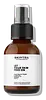
This barrier-repair moisturizer is formulated around Galactomyces Ferment Filtrate and Squalane to strengthen the skin barrier and hydrate skin.
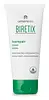
This barrier-repair moisturizer is formulated around Squalane and Snail Secretion Filtrate to strengthen the skin barrier and hydrate skin.


What's inside
What's inside
 Key Ingredients
Benefits
Concerns
Ingredients Side-by-side
Water
Skin ConditioningGalactomyces Ferment Filtrate
Humectant







Squalane
Emollient
Isoamyl Laurate
Emollient
Coco-Caprylate/Caprate
Emollient
Panthenol
Skin Conditioning
Propanediol
Solvent
Polyglyceryl-4 Diisostearate/Polyhydroxystearate/Sebacate
Emulsifying
Potassium Azeloyl Diglycinate
Skin Conditioning

Rubus Idaeus Seed Oil
Emollient
Citrullus Lanatus Seed Oil
Emollient
Caprylic/Capric Triglyceride
Masking
Saccharide Isomerate
Humectant
Inulin
Skin Conditioning
Urea
Buffering

Glucosyl Ceramide
Skin Conditioning
Phospholipids
Skin Conditioning
Cholesterol
Emollient
Sodium Carboxymethyl Beta-Glucan
CleansingZymomonas Ferment Extract
HumectantHoney Extract
Humectant
Allantoin
Skin Conditioning
Maltodextrin
Absorbent
Magnesium Sulfate
Dipropylene Glycol
HumectantPentylene Glycol
Skin Conditioning
Dehydroacetic Acid
Preservative
Benzyl Alcohol
Perfuming





Disodium EDTA
ChelatingSodium Citrate
BufferingCitric Acid
Buffering

Water, Galactomyces Ferment Filtrate, Squalane, Isoamyl Laurate, Coco-Caprylate/Caprate, Panthenol, Propanediol, Polyglyceryl-4 Diisostearate/Polyhydroxystearate/Sebacate, Potassium Azeloyl Diglycinate, Rubus Idaeus Seed Oil, Citrullus Lanatus Seed Oil, Caprylic/Capric Triglyceride, Saccharide Isomerate, Inulin, Urea, Glucosyl Ceramide, Phospholipids, Cholesterol, Sodium Carboxymethyl Beta-Glucan, Zymomonas Ferment Extract, Honey Extract, Allantoin, Maltodextrin, Magnesium Sulfate, Dipropylene Glycol, Pentylene Glycol, Dehydroacetic Acid, Benzyl Alcohol, Disodium EDTA, Sodium Citrate, Citric Acid
Water
Skin ConditioningC12-20 Acid PEG-8 Ester
Emulsifying
Squalane
Emollient
Snail Secretion Filtrate
Skin Conditioning
C12-15 Alkyl Benzoate
AntimicrobialHexylene Glycol
EmulsifyingSaccharide Isomerate
Humectant
PPG-20 Methyl Glucose Ether
Skin ConditioningDipropylene Glycol
HumectantAmmonium Acryloyldimethyltaurate/Vp Copolymer
Propanediol
Solvent
Fructose
Humectant
Glucose
Humectant
Cetyl Alcohol
Emollient
Tocopheryl Acetate
Antioxidant

Arginine
Masking
Gluconolactone
Chelating


Boswellia Serrata Gum Extract
Skin ConditioningGlucosyl Ceramide
Skin Conditioning
Phospholipids
Skin Conditioning
Cholesterol
Emollient
Calcium Gluconate
HumectantSodium Hyaluronate
Humectant
Sucrose
Humectant
Urea
Buffering
Dextrin
AbsorbentAlanine
Masking
Glutamic Acid
Humectant
Aspartic Acid
Masking
Hexyl Nicotinate
EmollientMaltodextrin
Absorbent
Phenoxyethanol
Preservative
Disodium EDTA
ChelatingSodium Citrate
BufferingCitric Acid
Buffering
Sodium Benzoate
Masking
Parfum
Masking
Water, C12-20 Acid PEG-8 Ester, Squalane, Snail Secretion Filtrate, C12-15 Alkyl Benzoate, Hexylene Glycol, Saccharide Isomerate, PPG-20 Methyl Glucose Ether, Dipropylene Glycol, Ammonium Acryloyldimethyltaurate/Vp Copolymer, Propanediol, Fructose, Glucose, Cetyl Alcohol, Tocopheryl Acetate, Arginine, Gluconolactone, Boswellia Serrata Gum Extract, Glucosyl Ceramide, Phospholipids, Cholesterol, Calcium Gluconate, Sodium Hyaluronate, Sucrose, Urea, Dextrin, Alanine, Glutamic Acid, Aspartic Acid, Hexyl Nicotinate, Maltodextrin, Phenoxyethanol, Disodium EDTA, Sodium Citrate, Citric Acid, Sodium Benzoate, Parfum
Reviews
Ingredients Explained
These ingredients are found in both products.
Ingredients higher up in an ingredient list are typically present in a larger amount.
Cholesterol is a lipid that is naturally found in human skin and is one of the three key components of your skin barrier. In skincare, it is an emollient and barrier-repairing ingredient.
It works by fitting directly into the lipid layers of skin to help restore structure and reduce transepidermal water loss (TEWL).
This is a great ingredient for dry, compromised, or aging skin; our skin starts to produce less cholesterol with age.
Research shows cholesterol works best in combination with ceramides and fatty acids, the other two major components in your skin barrier.
Cholesterol is also a well-establish penetration enhancer and can help other actives absorb more effectively.
Cosmetic-grade cholesterol is usually derived from lanolin but plant and synthetic options also exist. We recommend reaching out to the brand if you have questions about their source of cholesterol.
Learn more about CholesterolCitric Acid is an alpha hydroxy acid (AHA) naturally found in citrus fruits like oranges, lemons, and limes.
Like other AHAs, citric acid can exfoliate skin by breaking down the bonds that hold dead skin cells together. This helps reveal smoother and brighter skin underneath.
However, this exfoliating effect only happens at high concentrations (20%) which can be hard to find in cosmetic products.
Due to this, citric acid is usually included in small amounts as a pH adjuster. This helps keep products slightly more acidic and compatible with skin's natural pH.
In skincare formulas, citric acid can:
While it can provide some skin benefits, research shows lactic acid and glycolic acid are generally more effective and less irritating exfoliants.
Most citric acid used in skincare today is made by fermenting sugars (usually from molasses). This synthetic version is identical to the natural citrus form but easier to stabilize and use in formulations.
Rosacea skin has a lower threshold for acids generally, with 62.5% of rosacea subjects in one study reacting to lactic acid in a sting test. This is why we mark citric acid as a potential rosacea trigger.
However, this ingredient shows up as a pH adjuster or chelator at roughly 0.1-1% in many products. These low levels are unlikely to be an issue for rosacea skin and becomes a potential trigger at exfoliating concentrations (20%). Because everybody's skin is unique, we recommend a patch test if you are unsure.
Learn more about Citric AcidDipropylene Glycol is a synthetically created humectant, stabilizer, and solvent.
This ingredient helps:
Dipropylene glycol is technically an alcohol, but it belongs to the glycol family (often considered part of the ‘good’ alcohols). This means it is hydrating and gentle on skin unlike drying solvent alcohols like denatured alcohol.
As a masking agent, Dipropylene Glycol can be used to cover the smell of other ingredients. However, it does not have a scent.
Studies show Dipropylene Glycol is considered safe to use in skincare.
Learn more about Dipropylene GlycolDisodium EDTA is a chelating agent. It grabs onto and deactivates metal ions that sneak into your products from water, packaging, or air.
This ingredient mainly works behind the scenes and helps with:
On top of that, this ingredient can counteract the effects of hard water by binding to the minerals in it.
One thing worth knowing is that Disodium EDTA has been shown to be a mild penetration enhancer. It can help other ingredients absorb into skin more effectively which can be a double-edged sword (great for actives, but can also make the active too strong if you have sensitive skin).
Clinical patch testing showed no significant skin irritation at typical use concentrations and minimal dermal absorption.
You'll most likely see this ingredient near the end of an ingredient list. It's typically found in concentrations less than 1%.
Learn more about Disodium EDTAGlucosyl Ceramide is made from glucose and a ceramide. It has skin hydrating and barrier repair properties.
This ingredient is naturally found in the epidermis, or upper layers of skin, as the main glycosphingolipid. Glycosphingolipids play a role in maintaining a strong and hydrated skin barrier.
Fun fact: Consuming glucosyl ceramide has been shown to provide skin benefits. You can get your intake by eating wheat, corn, soybeans, and shiitake mushrooms.
Learn more about Glucosyl CeramideMaltodextrin is a plant-derived carbohydrate made by breaking down starch (usually from corn, potato, or rice). In cosmetic formulas, it's a multitasking absorbent, emulsion stabilizer, and skin conditioner.
This ingredient is mostly used to stabilize emulsions and improve the powdery, non-greasy feel of products (like dry shampoos).
Safety-wise, this ingredient is pretty solid; it's even recognized as a food additive. Both animal and clinical studies found no adverse effects at the levels used in cosmetics.
Industry data shows this ingredient is used up to 45.7% in spray products and up to 33% in powder products.
Learn more about MaltodextrinPhospholipids are a family of skin-identical lipids that makeup the structural backbone of every cell membrane in your body.
In cosmetics, they function as skin conditioning agents with emulsifier and surfactant properties. They're typically sourced from soybean or sunflower lecithin (or sometimes egg yolk or marine sources).
Because they mirror the lipids naturally found in the deeper layers of your skin, topical phospholipids help reinforce the lipid matrix, reduce transepidermal water loss, and leave skin feeling conditioned.
They're also used to form liposomes, or tiny self-assembling vesible used to stabilize actives like vitamin c or retinol. This helps these ingredients integrate into the upper layers of skin more easily.
Phospholipids are compatible with everything and the CIR Expert Panel has concluded them to be safe at current use levels.
Some types of phospholipids include:
Learn more about PhospholipidsPropanediol is an all-star ingredient. It softens, hydrates, and smooths the skin.
It’s often used to:
Propanediol is not likely to cause sensitivity and considered safe to use. It is derived from corn or petroleum with a clear color and no scent.
Learn more about PropanediolSaccharide Isomerate comes from sugars found in corn. It is a skin hydrator.
The structure of this ingredient can be altered to be more similar to the carbohydrates found in our skin. This ability to mimic our skin gives it hydrating properties.
Specifically, saccharide Isomerate is a humectant. Humectants draw moisture from the air to our skin.
Research shows Saccharide Isomerate to be an effective moisturizer.
Learn more about Saccharide IsomerateSodium Citrate is the sodium salts of citric acid. In skincare, it is used to alter pH levels and acts as a preservative.
Its main functions are to maintain the pH of a product and neutralize metal ions.
The acidity of our skin is maintained by our glands and skin biome; normal pH level of skin is slightly acidic (~4.75-5.5).
Being slightly acidic allows our skin to create an "acid mantle". This acid mantle is a thin barrier that protects our skin from bacteria and contaminants.
Learn more about Sodium CitrateSqualane is the hydrogenated and shelf-stable form of squalene (a lipid that naturally occurs in human sebum).
It is an emollient and skin conditioning agent that is able to integrate seamlessly into the skin's lipid barrier without clogging pores.
This is due to how structurally similar it is to what your skin already produces.
Though it is mostly an emollient that helps soften and hydrate skin, it also has some humectant and occlusive action. Humectants help the skin retain moisture while occlusives seal it in, making squalane a triple-threat moisturizer.
Research shows it has antioxidant capabilities that help protect against stressors like UV exposure, specifically UVA induced oxidative stress. This study also found that it supports collagen biosynthesis in human dermal fibroblasts.
No clinical study has reported significant adverse effects and irritation reactions are very rare from this ingredient (even at 100% concentration).
Overall, it's a fantastic ingredient for hydration and is suitable for all skin types.
This depends on the source. Squalane can be derived from both plants and animals. Most squalane used in skincare comes from plants.
Please note: the source of squalane is only known if disclosed by the brand. We recommend reaching out to the brand if you have any questions about their squalane.
Read more about squalene with an "e".
Though squalane is often called an oil, it’s technically not one. It is a hydrocarbon, meaning it is only made of carbon and hydrogen. True oils are triglycerides and made of fatty acids and glycerol.
The term “oil-free” isn’t regulated so companies can define it however they want. Some exclude all oils, while others just avoid mineral oil or comedogenic oils.
Squalane has a comedogenic rating of 1 from the original 1972 study that tested raw ingredients under occlusion on rabbit ears. This system is not standardized or peer-reviewed, and using the raw ingredients is very different from how diluted cosmetic formulations are used on human skin.
A comedogenic rating of 1 means it is "unlikely to clog pores" according to the original rating system.
The overall formula of a product matters more than the individual ingredients on whether or not it will cause clogged pores.
Learn more about SqualaneUrea is also called carbamide and is the diamide of carbonic acid. In cosmetics, urea is used to hydrate the skin. It also provides exfoliation in higher concentrations.
As a humectant, urea helps draw moisture from the air and from deep within the skin. This helps hydrate your skin. Studies show urea is an effective moisturizer for dry skin conditions. 40% urea is typical in medications for treating eczema and other skin conditions.
Urea has the strongest exfoliation effect in concentrations higher than 10%. It is a keratolytic agent, meaning it breaks down the keratin protein in the top layer of skin. This helps remove dead skin cells and flaking skin.
In medicine, urea has been shown to help increase the potency of other ingredients, such as fungal treatments.
Humans and animals use urea to metabolize nitrogen-containing compounds. Urea is highly soluble in water. Once dissolved, it is neither acidic nor alkaline.
Urea is actually one of the more well-studied and well-supported ingredients out there if you have eczema.
Clinical trials have shown that urea creams in the 5 - 10% range can:
Higher concentrations (20 -30%) can also help with thickened, scaly patches but is also more likely to sting on active flares.
Skip urea if you have rosacea. The AAD (American Academy of Dermatology) lists it alongside alcohol, menthol, and fragrance as a potential irritant for rosacea-prone skin. Urea's keratolytic and penetration-enhancing properties can trigger stinging, burning, and redness.
As always, your skin is unique, so definitely check in with your dermatologist.
Learn more about UreaWater. It's the most common cosmetic ingredient of all. You'll usually see it at the top of ingredient lists, meaning that it makes up the largest part of the product.
So why is it so popular? Water most often acts as a solvent - this means that it helps dissolve other ingredients into the formulation.
You'll also recognize water as that liquid we all need to stay alive. If you see this, drink a glass of water. Remember to stay hydrated!
Learn more about Water

