

What's inside
What's inside
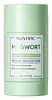 Key Ingredients

Benefits
Concerns
Ingredients Side-by-side
Water
Skin ConditioningKaolin
Abrasive



Butylene Glycol
Humectant

Glycerin
Humectant


Artemisia Vulgaris Extract
Skin Conditioning

Diglycerin
Humectant
Mica
Cosmetic ColorantPEG-32
HumectantSodium Palmitate
CleansingGlyceryl Polymethacrylate
Pvm/Ma Copolymer
Emulsion StabilisingCeramide EOP
Skin Conditioning

Ceramide AP
Skin Conditioning
Ceramide Ns
Skin Conditioning
Ceramide Ng
Skin Conditioning
Ceramide As
Skin Conditioning
Ceramide NP
Skin Conditioning
CI 77289
Cosmetic ColorantPhenoxyethanol
Preservative
PEG-40 Hydrogenated Castor Oil
Emulsifying


CI 77492
Cosmetic ColorantMenthyl Lactate
Masking
Beta-Glucan
Skin Conditioning
Curcuma Longa Root Extract
Masking
Verbascum Thapsus Extract
Skin ConditioningNiacinamide
Smoothing



Centella Asiatica Extract
Cleansing
Salicylic Acid
Masking



Pinus Densiflora Leaf Extract
Antimicrobial
Lactobacillus Ferment Lysate
Skin Conditioning
Saccharide Isomerate
Humectant
Hydroxypropyl Cyclodextrin
MaskingDipropylene Glycol
Humectant
Rhamnose
Humectant1,2-Hexanediol
Skin Conditioning
Water, Kaolin, Butylene Glycol, Glycerin, Artemisia Vulgaris Extract, Diglycerin, Mica, PEG-32, Sodium Palmitate, Glyceryl Polymethacrylate, Pvm/Ma Copolymer, Ceramide EOP, Ceramide AP, Ceramide Ns, Ceramide Ng, Ceramide As, Ceramide NP, CI 77289, Phenoxyethanol, PEG-40 Hydrogenated Castor Oil, CI 77492, Menthyl Lactate, Beta-Glucan, Curcuma Longa Root Extract, Verbascum Thapsus Extract, Niacinamide, Centella Asiatica Extract, Salicylic Acid, Pinus Densiflora Leaf Extract, Lactobacillus Ferment Lysate, Saccharide Isomerate, Hydroxypropyl Cyclodextrin, Dipropylene Glycol, Rhamnose, 1,2-Hexanediol
Water
Skin ConditioningPropanediol
Solvent
Butylene Glycol
Humectant
Glycerin
Humectant
Cetyl Ethylhexanoate
EmollientTriethylhexanoin
Masking
Glyceryl Stearate Se
Emulsifying

Sodium Polyacrylate
Absorbent
Ceramide AP
Skin Conditioning
1,2-Hexanediol
Skin Conditioning
Oryza Sativa Powder
Palmitic Acid
Emollient
Titanium Dioxide
Cosmetic Colorant

Polysorbate 60
Emulsifying
Stearic Acid
Cleansing
Sorbitol
Humectant
Sodium Polyacrylate Starch
AbsorbentDimethicone
Emollient
Xanthan Gum
EmulsifyingCarbomer
Emulsion StabilisingTromethamine
BufferingOleth-10
EmulsifyingEthylhexylglycerin
Skin ConditioningAluminum Hydroxide
EmollientDisodium EDTA
Methyl Methacrylate Crosspolymer
Triethoxycaprylylsilane
Parfum
Masking
Benzyl Benzoate
Antimicrobial
Caramel
Cosmetic ColorantSimethicone
Emollient
Propylene Glycol
Humectant
Saccharomyces/Rice Ferment Filtrate
Skin Conditioning
Oryza Sativa Bran Water
Masking
Oryza Sativa Extract
Absorbent
Tocopherol
Antioxidant
Water, Propanediol, Butylene Glycol, Glycerin, Cetyl Ethylhexanoate, Triethylhexanoin, Glyceryl Stearate Se, Sodium Polyacrylate, Ceramide AP, 1,2-Hexanediol, Oryza Sativa Powder, Palmitic Acid, Titanium Dioxide, Polysorbate 60, Stearic Acid, Sorbitol, Sodium Polyacrylate Starch, Dimethicone, Xanthan Gum, Carbomer, Tromethamine, Oleth-10, Ethylhexylglycerin, Aluminum Hydroxide, Disodium EDTA, Methyl Methacrylate Crosspolymer, Triethoxycaprylylsilane, Parfum, Benzyl Benzoate, Caramel, Simethicone, Propylene Glycol, Saccharomyces/Rice Ferment Filtrate, Oryza Sativa Bran Water, Oryza Sativa Extract, Tocopherol
Reviews
Ingredients Explained
These ingredients are found in both products.
Ingredients higher up in an ingredient list are typically present in a larger amount.
1,2-Hexanediol is a synthetic liquid and another multi-functional powerhouse.
It is a:
- Humectant, drawing moisture into the skin
- Emollient, helping to soften skin
- Solvent, dispersing and stabilizing formulas
- Preservative booster, enhancing the antimicrobial activity of other preservatives
Butylene Glycol (or BG) is used within cosmetic products for a few different reasons:
Overall, Butylene Glycol is a safe and well-rounded ingredient that works well with other ingredients.
Though this ingredient works well with most skin types, some people with sensitive skin may experience a reaction such as allergic rashes, closed comedones, or itchiness.
Learn more about Butylene GlycolCeramide AP is is a skin-identical lipid that mimics what your skin already makes naturally. Ceramides help maintain epidermal integrity and barrier function.
You'll often see this ingredient paired with other ceramides (like ceramide NP), cholesterol, or fatty acids because this combination best mimics the natural lipid mix your skin already has.
The skin's ability to produce ceramides gets disrupted in skin conditions like eczema. This in turn weakens the skin barrier and applying ceramides topically has been shown to replenish what's been lost to restore barrier function.
Most of the studies with Ceramide AP test it as part of a multi-ceramide complex; studies reinforce ceramide AP's role in rebalancing ceramides in skin and improving skin hydration.
Learn more about Ceramide APGlycerin (or glycerol) is a compound naturally found in your skin. It's a powerhouse humectant that pulls water into the stratum corneum.
Topically, glycerin does several things at once:
Your skin makes glycerin on its own (mostly from sebaceous oil breakdown) and shuttles it to your outermost layer of skin, or your epidermis, via aquaporin-3.
Aquaporin-3 is a transporter that is essential for normal skin hydration, elasticity, and repair. Interestingly, mice lacking in AQP3 have dry and less elastic skin that can be fully corrected with glycerin.
This ingredient is non-irritating, plays well with almost every ingredient, and works across all skin types. Typical use is anywhere between 3-10% but can go up to 79% in some leave-on products.
Just know very high concentrations (>40%) can feel tacky in low humidity.
Glycerin is the name for this ingredient in American English. British English uses Glycerol/Glycerine.
Learn more about GlycerinWater. It's the most common cosmetic ingredient of all. You'll usually see it at the top of ingredient lists, meaning that it makes up the largest part of the product.
So why is it so popular? Water most often acts as a solvent - this means that it helps dissolve other ingredients into the formulation.
You'll also recognize water as that liquid we all need to stay alive. If you see this, drink a glass of water. Remember to stay hydrated!
Learn more about Water

