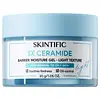
Skintific 5X Ceramide Barrier Moisture Gel - Light Texture Versus MizuMi Dry Rescue Intense Melt-In Cream
This barrier-repair moisturizer is formulated around Ceramide NP and Bisabolol to strengthen the skin barrier and hydrate skin.
This barrier-repair moisturizer is formulated around Niacinamide and Xylitylglucoside to strengthen the skin barrier and hydrate skin.


What's inside
What's inside
 Key Ingredients

Benefits
Concerns
Ingredients Side-by-side
Water
Skin ConditioningPEG-8
HumectantErythritol
Humectant
Butylene Glycol
Humectant
Dimethicone
Emollient

Pentylene Glycol
Skin Conditioning
Propanediol
Solvent
Glycerin
Humectant
Ammonium Acryloyldimethyltaurate/Beheneth-25 Methacrylate Crosspolymer
Emulsion Stabilising1,2-Hexanediol
Skin Conditioning
Hydroxyacetophenone
Antioxidant
Sodium Polyacryloyldimethyl Taurate
Emulsion StabilisingCeramide NP
Skin Conditioning



Xanthan Gum
EmulsifyingBisabolol
Antioxidant
Tetraselmis Suecica Extract
Skin ConditioningHydroxyphenyl Propamidobenzoic Acid
Skin ConditioningCeramide AP
Skin Conditioning
Ceramide Ns
Skin Conditioning
Lactic Acid
Buffering








Potassium Sorbate
Preservative
Zingiber Officinale Root Extract
Masking
Ascorbyl Palmitate
Antioxidant

Ceramide As
Skin Conditioning
Ceramide EOP
Skin Conditioning
Dimethicone/Vinyl Dimethicone Crosspolymer
Skin Conditioning
Arginine
Masking
Sodium Lauroyl Lactylate
EmulsifyingOctyldodecanol
Emollient
Diglucosyl Gallic Acid
Hydrolyzed Algae Extract
Skin ConditioningHydrogenated Lecithin
Emulsifying
Bioflavonoids
Skin ConditioningPPG-26-Buteth-26
Skin ConditioningPEG-40 Hydrogenated Castor Oil
Emulsifying
Diisostearyl Malate
EmollientEpigallocatechin Gallatyl Glucoside
Antioxidant
Ethoxydiglycol
HumectantLecithin
Emollient
Sodium Benzoate
Masking
Polyglyceryl-10 Stearate
Skin Conditioning
Disodium EDTA
ChelatingSucrose Stearate
EmollientPhytosphingosine
Skin Conditioning
Hexyldecanol
Emollient
Caprylic/Capric Triglyceride
Masking
Water, PEG-8, Erythritol, Butylene Glycol, Dimethicone, Pentylene Glycol, Propanediol, Glycerin, Ammonium Acryloyldimethyltaurate/Beheneth-25 Methacrylate Crosspolymer, 1,2-Hexanediol, Hydroxyacetophenone, Sodium Polyacryloyldimethyl Taurate, Ceramide NP, Xanthan Gum, Bisabolol, Tetraselmis Suecica Extract, Hydroxyphenyl Propamidobenzoic Acid, Ceramide AP, Ceramide Ns, Lactic Acid, Potassium Sorbate, Zingiber Officinale Root Extract, Ascorbyl Palmitate, Ceramide As, Ceramide EOP, Dimethicone/Vinyl Dimethicone Crosspolymer, Arginine, Sodium Lauroyl Lactylate, Octyldodecanol, Diglucosyl Gallic Acid, Hydrolyzed Algae Extract, Hydrogenated Lecithin, Bioflavonoids, PPG-26-Buteth-26, PEG-40 Hydrogenated Castor Oil, Diisostearyl Malate, Epigallocatechin Gallatyl Glucoside, Ethoxydiglycol, Lecithin, Sodium Benzoate, Polyglyceryl-10 Stearate, Disodium EDTA, Sucrose Stearate, Phytosphingosine, Hexyldecanol, Caprylic/Capric Triglyceride
Water
Skin ConditioningIsononyl Isononanoate
EmollientGlycerin
Humectant
Niacinamide
Smoothing

Hydrogenated Polydecene
EmollientPropanediol
Solvent
Sodium Acrylates Copolymer
Xylitylglucoside
Humectant
Butylene Glycol
Humectant
Cetearyl Alcohol
Emollient

Anhydroxylitol
Humectant
Phenoxyethanol
Preservative
Glyceryl Stearate
Emollient
Butyrospermum Parkii Butter
Skin Conditioning
Lecithin
Emollient
PEG-100 Stearate
Surfactant
Xylitol
Humectant
Chlorphenesin
Antimicrobial
Glucose
Humectant
Disodium EDTA
ChelatingTocopheryl Acetate
Antioxidant
Sodium Hyaluronate
Humectant
Aloe Barbadensis Leaf Juice
Skin Conditioning
Hydrolyzed Hyaluronic Acid
Humectant
Maltodextrin
Absorbent
Alteromonas Ferment Extract
Skin Conditioning
Potassium Sorbate
Preservative
Sodium Benzoate
Masking
Water, Isononyl Isononanoate, Glycerin, Niacinamide, Hydrogenated Polydecene, Propanediol, Sodium Acrylates Copolymer, Xylitylglucoside, Butylene Glycol, Cetearyl Alcohol, Anhydroxylitol, Phenoxyethanol, Glyceryl Stearate, Butyrospermum Parkii Butter, Lecithin, PEG-100 Stearate, Xylitol, Chlorphenesin, Glucose, Disodium EDTA, Tocopheryl Acetate, Sodium Hyaluronate, Aloe Barbadensis Leaf Juice, Hydrolyzed Hyaluronic Acid, Maltodextrin, Alteromonas Ferment Extract, Potassium Sorbate, Sodium Benzoate
Ingredients Explained
These ingredients are found in both products.
Ingredients higher up in an ingredient list are typically present in a larger amount.
Butylene Glycol (or BG) is used within cosmetic products for a few different reasons:
Overall, Butylene Glycol is a safe and well-rounded ingredient that works well with other ingredients.
Though this ingredient works well with most skin types, some people with sensitive skin may experience a reaction such as allergic rashes, closed comedones, or itchiness.
Learn more about Butylene GlycolDisodium EDTA is a chelating agent. It grabs onto and deactivates metal ions that sneak into your products from water, packaging, or air.
This ingredient mainly works behind the scenes and helps with:
On top of that, this ingredient can counteract the effects of hard water by binding to the minerals in it.
One thing worth knowing is that Disodium EDTA has been shown to be a mild penetration enhancer. It can help other ingredients absorb into skin more effectively which can be a double-edged sword (great for actives, but can also make the active too strong if you have sensitive skin).
Clinical patch testing showed no significant skin irritation at typical use concentrations and minimal dermal absorption.
You'll most likely see this ingredient near the end of an ingredient list. It's typically found in concentrations less than 1%.
Learn more about Disodium EDTAGlycerin (or glycerol) is a compound naturally found in your skin. It's a powerhouse humectant that pulls water into the stratum corneum.
Topically, glycerin does several things at once:
Your skin makes glycerin on its own (mostly from sebaceous oil breakdown) and shuttles it to your outermost layer of skin, or your epidermis, via aquaporin-3.
Aquaporin-3 is a transporter that is essential for normal skin hydration, elasticity, and repair. Interestingly, mice lacking in AQP3 have dry and less elastic skin that can be fully corrected with glycerin.
This ingredient is non-irritating, plays well with almost every ingredient, and works across all skin types. Typical use is anywhere between 3-10% but can go up to 79% in some leave-on products.
Just know very high concentrations (>40%) can feel tacky in low humidity.
Glycerin is the name for this ingredient in American English. British English uses Glycerol/Glycerine.
Learn more about GlycerinLecithin is a term for a group of substances found in the cell membranes of plants, animals, and humans. They are made up of phospholipids.
Thanks to its amphiphilic structure (water-loving head and oil-loving tail), it is a true multitasker:
It plays well with most ingredients and is typically used at 0.1-1%. However, concentrations up to 50% have been reported in moisturizers.
Learn more about LecithinPotassium Sorbate is a preservative used to prevent yeast and mold in products. It is commonly found in both cosmetic and food products.
This ingredient comes from potassium salt derived from sorbic acid. Sorbic acid is a natural antibiotic and effective against fungus.
Both potassium sorbate and sorbic acid can be found in baked goods, cheeses, dried meats, dried fruit, ice cream, pickles, wine, yogurt, and more.
You'll often find this ingredient used with other preservatives.
Learn more about Potassium SorbatePropanediol is an all-star ingredient. It softens, hydrates, and smooths the skin.
It’s often used to:
Propanediol is not likely to cause sensitivity and considered safe to use. It is derived from corn or petroleum with a clear color and no scent.
Learn more about PropanediolSodium Benzoate is a preservative. It's used in both cosmetic and food products to inhibit the growth of mold and bacteria. It is typically produced synthetically.
Both the US FDA and EU Health Committee have approved the use of sodium benzoate. In the US, levels of 0.1% (of the total product) are allowed.
Sodium benzoate works as a preservative by inhibiting the growth of bacteria inside of cells. It prevents the cell from fermenting a type of sugar using an enzyme called phosphofructokinase.
It is the salt of benzoic acid. Foods containing sodium benzoate include soda, salad dressings, condiments, fruit juices, wines, and snack foods.
Studies for using ascorbic acid and sodium benzoate in cosmetics are lacking, especially in skincare routines with multiple steps.
We always recommend speaking with a professional, such as a dermatologist, if you have any concerns.
Learn more about Sodium BenzoateWater. It's the most common cosmetic ingredient of all. You'll usually see it at the top of ingredient lists, meaning that it makes up the largest part of the product.
So why is it so popular? Water most often acts as a solvent - this means that it helps dissolve other ingredients into the formulation.
You'll also recognize water as that liquid we all need to stay alive. If you see this, drink a glass of water. Remember to stay hydrated!
Learn more about Water

