Skintific 360 Crystal Massager Lifting Eye Cream Versus Somethinc GAME CHANGER Tripeptide Eye Concentrate Gel
This anti-aging eye moisturizer is formulated around Palmitoyl Pentapeptide-4 and Dipeptide Diaminobutyroyl Benzylamide Diacetate to soften the look of wrinkles and refine skin texture.
This anti-aging eye moisturizer is formulated around Aloe Barbadensis Leaf Extract and Dipeptide-2 to soften the look of wrinkles and hydrate skin.


What's inside
What's inside
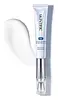 Key Ingredients
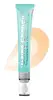
Benefits
Concerns
Ingredients Side-by-side
Water
Skin ConditioningMaris Aqua
HumectantPropanediol
Solvent

Coco-Caprylate/Caprate
Emollient
Glycerin
Humectant
Cyclopentasiloxane
Emollient
Cetyl Alcohol
Emollient


Erythritol
Humectant
Dimethicone
Emollient
Limnanthes Alba Seed Oil
Skin Conditioning
Cyclohexasiloxane
Emollient
Glyceryl Stearate
Emollient
Hydroxyacetophenone
Antioxidant
1,2-Hexanediol
Skin Conditioning
Tocopheryl Acetate
Antioxidant

Phytosteryl/Octyldodecyl Lauroyl Glutamate
Skin ConditioningPEG-75 Stearate
Surfactant
Ammonium Acryloyldimethyltaurate/Vp Copolymer
Steareth-20
CleansingCeteth-20
CleansingButylene Glycol
Humectant
Palmitoyl Pentapeptide-4
Skin Conditioning


Dipeptide Diaminobutyroyl Benzylamide Diacetate
Skin Conditioning
Acetyl Tetrapeptide-5
Humectant
Niacinamide
Smoothing






Caffeine
Skin Conditioning
Xanthan Gum
EmulsifyingTrehalose
Humectant
Sophora Flavescens Root Extract
Antioxidant
Dendrobium Nobile Stem Extract
Skin ConditioningPentylene Glycol
Skin Conditioning
Sodium Hyaluronate
Humectant
Pentaerythrityl Tetra-Di-T-Butyl Hydroxyhydrocinnamate
Antioxidant
Ophiopogon Japonicus Root Extract
Skin ConditioningOpuntia Ficus-Indica Stem Extract
Skin Conditioning
Aloe Barbadensis Leaf Extract
Emollient
Disodium EDTA
ChelatingLycium Barbarum Fruit Extract
Astringent
Echinacea Purpurea Extract
MoisturisingPalmaria Palmata Extract
Skin Protecting

Polysorbate 20
Emulsifying
Hydrogenated Lecithin
Emulsifying
Carbomer
Emulsion StabilisingCeramide NP
Skin Conditioning
Tocopherol
Antioxidant
Arginine
Masking
Ceramide Ns
Skin Conditioning
Ceramide Ng
Skin Conditioning
Ceramide As
Skin Conditioning
Ceramide EOP
Skin Conditioning
Ceramide AP
Skin Conditioning
Water, Maris Aqua, Propanediol, Coco-Caprylate/Caprate, Glycerin, Cyclopentasiloxane, Cetyl Alcohol, Erythritol, Dimethicone, Limnanthes Alba Seed Oil, Cyclohexasiloxane, Glyceryl Stearate, Hydroxyacetophenone, 1,2-Hexanediol, Tocopheryl Acetate, Phytosteryl/Octyldodecyl Lauroyl Glutamate, PEG-75 Stearate, Ammonium Acryloyldimethyltaurate/Vp Copolymer, Steareth-20, Ceteth-20, Butylene Glycol, Palmitoyl Pentapeptide-4, Dipeptide Diaminobutyroyl Benzylamide Diacetate, Acetyl Tetrapeptide-5, Niacinamide, Caffeine, Xanthan Gum, Trehalose, Sophora Flavescens Root Extract, Dendrobium Nobile Stem Extract, Pentylene Glycol, Sodium Hyaluronate, Pentaerythrityl Tetra-Di-T-Butyl Hydroxyhydrocinnamate, Ophiopogon Japonicus Root Extract, Opuntia Ficus-Indica Stem Extract, Aloe Barbadensis Leaf Extract, Disodium EDTA, Lycium Barbarum Fruit Extract, Echinacea Purpurea Extract, Palmaria Palmata Extract, Polysorbate 20, Hydrogenated Lecithin, Carbomer, Ceramide NP, Tocopherol, Arginine, Ceramide Ns, Ceramide Ng, Ceramide As, Ceramide EOP, Ceramide AP
Water
Skin ConditioningAloe Barbadensis Leaf Extract
Emollient
PEG/PPG/Polybutylene Glycol-8/5/3 Glycerin
HumectantButylene Glycol
Humectant
Hydroxyethyl Urea
Humectant
Polyacrylamide
C13-14 Isoparaffin
Emollient
Laureth-7
EmulsifyingPoria Cocos Extract
Skin ConditioningAcetyl Tetrapeptide-5
Humectant
Dipeptide-2
Skin Conditioning
Phenoxyethanol
Preservative
Hyaluronic Acid
Humectant
Fructan
Skin ConditioningCynara Scolymus Leaf Extract
Skin ConditioningDecyl Glucoside
Cleansing
Phenethyl Alcohol
MaskingCitric Acid
Buffering
Glucose
Humectant
Caffeine
Skin Conditioning
Xanthan Gum
EmulsifyingBisabolol
Antioxidant
Cholesterol
Emollient
Alcohol
Antimicrobial


Hydrogenated Lecithin
Emulsifying
1,2-Hexanediol
Skin Conditioning
Oligopeptide-5
Skin Conditioning
CI 16255
Cosmetic ColorantCI 15985
Cosmetic ColorantWater, Aloe Barbadensis Leaf Extract, PEG/PPG/Polybutylene Glycol-8/5/3 Glycerin, Butylene Glycol, Hydroxyethyl Urea, Polyacrylamide, C13-14 Isoparaffin, Laureth-7, Poria Cocos Extract, Acetyl Tetrapeptide-5, Dipeptide-2, Phenoxyethanol, Hyaluronic Acid, Fructan, Cynara Scolymus Leaf Extract, Decyl Glucoside, Phenethyl Alcohol, Citric Acid, Glucose, Caffeine, Xanthan Gum, Bisabolol, Cholesterol, Alcohol, Hydrogenated Lecithin, 1,2-Hexanediol, Oligopeptide-5, CI 16255, CI 15985
Reviews
Ingredients Explained
These ingredients are found in both products.
Ingredients higher up in an ingredient list are typically present in a larger amount.
1,2-Hexanediol is a synthetic liquid and another multi-functional powerhouse.
It is a:
- Humectant, drawing moisture into the skin
- Emollient, helping to soften skin
- Solvent, dispersing and stabilizing formulas
- Preservative booster, enhancing the antimicrobial activity of other preservatives
Acetyl Tetrapeptide-5 is a peptide that goes by another name, eyeseryl, due to claims that it can help reduce eye puffiness.
The manufacturer claims this ingredient reduces eye puffiness by:
An in-vivo study from the manufacturer found 95% of volunteers saw eye bag improvement by the end of the study.
Eye puffiness is caused by two major factors: fluid retention and fat.
Those with fluid retention may see improvement from using this ingredient. However, those with eye fat will need surgical intervention in order to get rid of puffiness.
Learn more about Acetyl Tetrapeptide-5Aloe Barbadensis Leaf Extract is a botanical extract pulled from the leaves of aloe vera and one of the most studied plant ingredients in cosmetics.
The inner leaf gel it comes from is mostly water (~99-99.5%) and the remaining fraction is made up of pretty good stuff: polysaccharides, vitamins, phenolics, and enzymes.
Its headline job is hydration.
The star polysaccharide in aloe, acemannan, is a humectant that retains moisture and helps reduce trans-epidermal water loss.
Aloe also has real soothing credentials; it contains anti-inflammatory compounds like bradykinase and C-glucosyl chromone that help calm irritation and redness.
On the repair side, lab work shows that acemannan wakes up your skin's repair cells (fibroblasts), prompting them to multiply and speed up healing.
There's some human data for cosmetic benefit too: a cream containing 10% Aloe Barbadensis leaf extract improved skin hydration and elasticity in a real-use study.
Safety-wise, this ingredient is well-regarded with just one rare downside; there have been some case reports of acute eczema, contact urticaria, and dermatitis in people who applied aloe-derived ingredients topically. Those with a known aloe or Liliaceae sensitivity should patch test.
Typical use levels range widely, from under 1% up to 90%+ depending on the format and the effect you are after.
Learn more about Aloe Barbadensis Leaf ExtractButylene Glycol (or BG) is used within cosmetic products for a few different reasons:
Overall, Butylene Glycol is a safe and well-rounded ingredient that works well with other ingredients.
Though this ingredient works well with most skin types, some people with sensitive skin may experience a reaction such as allergic rashes, closed comedones, or itchiness.
Learn more about Butylene GlycolCaffeine is a naturally occurring plant compound found in coffee beans, tea leaves, cocoa pods, and guarana.
As an antioxidant, caffeine protects your skin from free radical damage caused by UV exposure and envionrmnetal stressors.
Early research also shows that caffeine can help calm redness, soothe irritated skin, and support hair growth by stimulating microcirculation in the scalp.
You might have seen eye creams marketing caffeine as a depuffing ingredient. This is because it is a vasoconstrictor meaning it can temporarily constrict blood vessels, though clinical evidence for this specific use is still limited.
Most skincare products contain this ingredient at concentrations between 1-6%. It is able to penetrate skin easily regardless of skin type or thickness.
Just so you know, a very small number of case reports describe caffeine-induced allergy. This ingredient is generally well-tolerated, non-irritating, and non-sensitizing for the majority of people.
Learn more about CaffeineHydrogenated Lecithin is a more stable version of lecithin.
It's made by taking lecithin (a phospholipid commonly found in soybeans and egg yolks) and hydrogenating it. This just means the unsaturated fatty acids are turned into saturated ones so they don't go bad as easily.
This ingredient is an emollient, emulsifier, and penetration enhancer. As an emollient, it helps soften and hydrate skin by trapping moisture within. As an emulsifier, it prevents oil and water ingredients from separating.
Hydrogenated Lecithin can form tiny spherical structures made of phospholipid bilayers called liposomes. These liposomes are able to capture compounds inside their structure and deliver them through the skin barrier.
Because phospholipids are a natural component of our cell membranes, this ingredient is inherently compatible with skin.
A 2021 study found lecithin-based surfactants were less harsh and more tolerable comared to Sodium Lauryl Sulfate (SLS).
Learn more about Hydrogenated LecithinWater. It's the most common cosmetic ingredient of all. You'll usually see it at the top of ingredient lists, meaning that it makes up the largest part of the product.
So why is it so popular? Water most often acts as a solvent - this means that it helps dissolve other ingredients into the formulation.
You'll also recognize water as that liquid we all need to stay alive. If you see this, drink a glass of water. Remember to stay hydrated!
Learn more about WaterXanthan gum is used as a stabilizer and thickener within cosmetic products. It helps give products a sticky, thick feeling - preventing them from being too runny.
On the technical side of things, xanthan gum is a polysaccharide - a combination consisting of multiple sugar molecules bonded together.
Xanthan gum is a pretty common and great ingredient. It is a natural, non-toxic, non-irritating ingredient that is also commonly used in food products.
Learn more about Xanthan Gum

