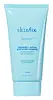
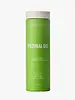
Skinfix Barrier+ Ceramide + Ectoin Gentle Gel Cleanser Versus Personal Day Full Clarity Cleansing Powder
This mild gel cleanser is made to cleanse while respecting your skin barrier.
This mild powder cleanser is made to cleanse while calming and soothing your skin.


What's inside
What's inside
 Key Ingredients
Benefits
Concerns
Ingredients Side-by-side
Water
Skin ConditioningGlycerin
Humectant


Sodium Cocoyl Isethionate
Cleansing
Cocamidopropyl Hydroxysultaine
Cleansing
Sodium Lauroyl Methyl Isethionate
CleansingSodium Methyl Cocoyl Taurate
Cleansing
Cocamidopropyl Betaine
Cleansing


Sodium Methyl Oleoyl Taurate
CleansingLauryl Glucoside
CleansingCoco-Glucoside
Cleansing
Coconut Acid
Cleansing
Jojoba Oil/Macadamia Seed Oil Esters
Skin Conditioning
Sodium Chloride
MaskingSodium Isethionate
CleansingEctoin
Skin Conditioning



Squalene
Emollient
Oligopeptide-1
Skin Conditioning


Oligopeptide-2
Skin Conditioning
Oligopeptide-3
Skin Conditioning
Hexapeptide-11
Skin Conditioning
Ceramide EOP
Skin Conditioning
Propanediol
Solvent
Hydroxyectoin
Buffering
Niacinamide
Smoothing




Amylopectin
Bacillus
Skin ConditioningFolic Acid
Skin ConditioningSodium Hyaluronate
Humectant
Pentylene Glycol
Skin Conditioning
Inulin
Skin Conditioning
Phytosteryl Macadamiate
Skin Conditioning
Lecithin
Emollient
Acetyl Glutamine
Skin ConditioningChamomilla Recutita Flower Extract
Masking
Lithothamnion Calcareum Extract
Skin ConditioningLactic Acid
Buffering
Phytosterols
Skin Conditioning
Alpha-Glucan Oligosaccharide
Cleansing
Sodium Lauroyl Lactylate
EmulsifyingTocopherol
Antioxidant

Sodium Benzoate
Masking
Caprylyl Glycol
Emollient
Polyglutamic Acid
Skin Conditioning
Ceramide NP
Skin Conditioning
Ceramide AP
Skin Conditioning
Phytosphingosine
Skin Conditioning
Cholesterol
Emollient
Carbomer
Emulsion StabilisingCitric Acid
Buffering
Xanthan Gum
EmulsifyingPotassium Sorbate
Preservative
Ethylhexylglycerin
Skin ConditioningPhenoxyethanol
Preservative
Water, Glycerin, Sodium Cocoyl Isethionate, Cocamidopropyl Hydroxysultaine, Sodium Lauroyl Methyl Isethionate, Sodium Methyl Cocoyl Taurate, Cocamidopropyl Betaine, Sodium Methyl Oleoyl Taurate, Lauryl Glucoside, Coco-Glucoside, Coconut Acid, Jojoba Oil/Macadamia Seed Oil Esters, Sodium Chloride, Sodium Isethionate, Ectoin, Squalene, Oligopeptide-1, Oligopeptide-2, Oligopeptide-3, Hexapeptide-11, Ceramide EOP, Propanediol, Hydroxyectoin, Niacinamide, Amylopectin, Bacillus, Folic Acid, Sodium Hyaluronate, Pentylene Glycol, Inulin, Phytosteryl Macadamiate, Lecithin, Acetyl Glutamine, Chamomilla Recutita Flower Extract, Lithothamnion Calcareum Extract, Lactic Acid, Phytosterols, Alpha-Glucan Oligosaccharide, Sodium Lauroyl Lactylate, Tocopherol, Sodium Benzoate, Caprylyl Glycol, Polyglutamic Acid, Ceramide NP, Ceramide AP, Phytosphingosine, Cholesterol, Carbomer, Citric Acid, Xanthan Gum, Potassium Sorbate, Ethylhexylglycerin, Phenoxyethanol

Reviews
Alternatives
Ingredients Explained
These ingredients are found in both products.
Ingredients higher up in an ingredient list are typically present in a larger amount.
Caprylyl Glycol is a humectant, skin conditioner, emollient, and preservative booster derived from either caprylic acid or synthetically created.
Typical use levels vary from 0.3-1% as a preservative booster and go up to 2% to condition skin.
Because it is not a free-fatty acid, this ingredient is fungal acne safe (there's nothing for Malassezia to feed on).
Learn more about Caprylyl GlycolPhenoxyethanol is one of the most widely used preservatives in skincare (and for good reason!).
It has a large spectrum of antimicrobial activity and especially effective bacteria, yeast, and mold while only having a weak effect on your skin's natural microbiome.
On a cellular level, it disrupts the cell membranes of microbes by poking holes that make the cell leak. This shuts down the chemical reactions the microbe needs to make energy so it can no longer survive.
Another perk of this ingredient is that it stays functional across a wide pH range (3-10).
You'll often see it paired with boosters like Ethylhexylglycerin; one study showed that a 1:9 ratio of Ethylhexylglycerin to Phenoxyethanol damages bacterial membranes as effectively as doubling the Phenoxyethanol concentration on its own.
Typical use concentrations range from 0.3-1% depending on the formula, and this ingredient is capped at 1% int the EU.
Safety-wise, the fear mongering does not hold up to the evidence. The EU's Scientific Committee on Consumer Safety and FDA consider it safe as a preservative at up to 1%, including for children of all ages.
Adverse systemic effects only showed up in animal studies at exposures roughly 200x higher than what people get from cosmetics. And despite its very widespread use, this ingredient is a rare sensitizer and allergic reactions are uncommon.
Learn more about PhenoxyethanolSodium cocoyl isethionate is a natural ingredient from coconut oil. It is an ultra gentle cleanser that gives a nice foam without drying the skin or impacting the skin barrier.
The amount of foam created depends on the amount of sodium cocoyl isethionate used in the product.
This ingredient also helps improve the spreadability of a product.
This ingredient hasn’t been shown in studies to feed fungal acne yeast.
Learn more about Sodium Cocoyl Isethionate


