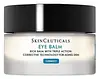
This barrier-repair eye moisturizer is formulated around Aloe Barbadensis Leaf Extract and Tocopherol to strengthen the skin barrier and hydrate skin.
This anti-aging eye moisturizer is formulated around Snail Secretion Filtrate and Adenosine to soften the look of wrinkles and hydrate skin.


What's inside
What's inside
 Key Ingredients
Benefits
Concerns
Ingredients Side-by-side
Water
Skin ConditioningGlycerin
Humectant


Aloe Barbadensis Leaf Extract
Emollient

Aloe Barbadensis Leaf Juice
Skin Conditioning
Myristyl Myristate
Emollient




Cetyl Palmitate
Emollient
Tocopherol
Antioxidant




Stearic Acid
Cleansing
Hydrogenated Vegetable Oil
Emollient
Paraffin
Skin Conditioning
Palmitic Acid
Emollient
Petrolatum
Emollient
Dimethicone
Emollient
Hydrogenated Lecithin
Emulsifying
Cetyl Alcohol
Emollient

Caprylic/Capric/Myristic/Stearic Triglyceride
EmollientPhenoxyethanol
Preservative
Triethanolamine
BufferingLauroyl Lysine
Skin Conditioning
Carbomer
Emulsion StabilisingGlycine Soja Protein
EmulsifyingPentylene Glycol
Skin Conditioning
Caprylyl Glycol
Emollient
Chlorphenesin
Antimicrobial
Bisabolol
Antioxidant
Myristic Acid
Cleansing
Pentaerythrityl Tetra-Di-T-Butyl Hydroxyhydrocinnamate
Antioxidant
Silybum Marianum Extract
Skin Conditioning
Disodium EDTA
ChelatingRetinyl Palmitate
Skin Conditioning
Helianthus Annuus Seed Oil
Emollient
Sodium Benzoate
Masking
Potassium Sorbate
Preservative
Farnesol
Perfuming

Crithmum Maritimum Extract
Skin ConditioningWater, Glycerin, Aloe Barbadensis Leaf Extract, Aloe Barbadensis Leaf Juice, Myristyl Myristate, Cetyl Palmitate, Tocopherol, Stearic Acid, Hydrogenated Vegetable Oil, Paraffin, Palmitic Acid, Petrolatum, Dimethicone, Hydrogenated Lecithin, Cetyl Alcohol, Caprylic/Capric/Myristic/Stearic Triglyceride, Phenoxyethanol, Triethanolamine, Lauroyl Lysine, Carbomer, Glycine Soja Protein, Pentylene Glycol, Caprylyl Glycol, Chlorphenesin, Bisabolol, Myristic Acid, Pentaerythrityl Tetra-Di-T-Butyl Hydroxyhydrocinnamate, Silybum Marianum Extract, Disodium EDTA, Retinyl Palmitate, Helianthus Annuus Seed Oil, Sodium Benzoate, Potassium Sorbate, Farnesol, Crithmum Maritimum Extract
Snail Secretion Filtrate
Skin Conditioning
Butylene Glycol
Humectant
Adenosine
Skin Conditioning
Olivoyl Hydrolyzed Wheat Protein
CleansingCetearyl Alcohol
Emollient
Glyceryl Oleate
Emollient
Glyceryl Stearate
Emollient
1,2-Hexanediol
Skin Conditioning
Glycereth-26
Humectant
Betaine
Humectant
Carbomer
Emulsion StabilisingHydroxyethylcellulose
Emulsion StabilisingCaprylic/Capric Triglyceride
Masking
Orbignya Oleifera Seed Oil
Emollient
Rosa Canina Fruit Oil
Emollient
Vinyldimethicone
Hydrogenated Polydecene
EmollientMethyl Glucose Sesquistearate
Emollient
Arachidyl Glucoside
EmulsifyingLecithin
Emollient
Stearic Acid
Cleansing
Arginine
Masking
Panax Ginseng Root Extract
Emollient
Aloe Barbadensis Leaf Extract
Emollient
Camellia Sinensis Leaf Extract
Antimicrobial
Honey Extract
Humectant
Rosa Multiflora Fruit Extract
MaskingGardenia Florida Fruit Extract
Skin ConditioningScutellaria Baicalensis Root Extract
Astringent
Acanthopanax Senticosus Root Extract
Skin ConditioningPunica Granatum Fruit Extract
Antioxidant
Carthamus Tinctorius Flower Extract
Skin ConditioningLeontopodium Alpinum Extract
Skin ConditioningThymus Vulgaris Extract
Perfuming
Hydrolyzed Collagen
Emollient
Glycine Soja Seed Extract
Skin Conditioning
Sesamum Indicum Seed Extract
Skin Conditioning
Oryza Sativa Extract
Absorbent
Copper Tripeptide-1
Skin Conditioning
PEG-90m
Emulsion StabilisingEthylhexylglycerin
Skin ConditioningCitrus Nobilis Peel Extract
Masking
Cupressus Sempervirens Leaf/Stem Extract
Skin ConditioningHedera Helix Leaf/Stem Extract
AntimicrobialCitrus Aurantium Bergamia Fruit Oil
Masking
Litsea Cubeba Fruit Oil
Masking
Ribes Nigrum Leaf Extract
Perfuming
Snail Secretion Filtrate, Butylene Glycol, Adenosine, Olivoyl Hydrolyzed Wheat Protein, Cetearyl Alcohol, Glyceryl Oleate, Glyceryl Stearate, 1,2-Hexanediol, Glycereth-26, Betaine, Carbomer, Hydroxyethylcellulose, Caprylic/Capric Triglyceride, Orbignya Oleifera Seed Oil, Rosa Canina Fruit Oil, Vinyldimethicone, Hydrogenated Polydecene, Methyl Glucose Sesquistearate, Arachidyl Glucoside, Lecithin, Stearic Acid, Arginine, Panax Ginseng Root Extract, Aloe Barbadensis Leaf Extract, Camellia Sinensis Leaf Extract, Honey Extract, Rosa Multiflora Fruit Extract, Gardenia Florida Fruit Extract, Scutellaria Baicalensis Root Extract, Acanthopanax Senticosus Root Extract, Punica Granatum Fruit Extract, Carthamus Tinctorius Flower Extract, Leontopodium Alpinum Extract, Thymus Vulgaris Extract, Hydrolyzed Collagen, Glycine Soja Seed Extract, Sesamum Indicum Seed Extract, Oryza Sativa Extract, Copper Tripeptide-1, PEG-90m, Ethylhexylglycerin, Citrus Nobilis Peel Extract, Cupressus Sempervirens Leaf/Stem Extract, Hedera Helix Leaf/Stem Extract, Citrus Aurantium Bergamia Fruit Oil, Litsea Cubeba Fruit Oil, Ribes Nigrum Leaf Extract
Ingredients Explained
These ingredients are found in both products.
Ingredients higher up in an ingredient list are typically present in a larger amount.
Aloe Barbadensis Leaf Extract is a botanical extract pulled from the leaves of aloe vera and one of the most studied plant ingredients in cosmetics.
The inner leaf gel it comes from is mostly water (~99-99.5%) and the remaining fraction is made up of pretty good stuff: polysaccharides, vitamins, phenolics, and enzymes.
Its headline job is hydration.
The star polysaccharide in aloe, acemannan, is a humectant that retains moisture and helps reduce trans-epidermal water loss.
Aloe also has real soothing credentials; it contains anti-inflammatory compounds like bradykinase and C-glucosyl chromone that help calm irritation and redness.
On the repair side, lab work shows that acemannan wakes up your skin's repair cells (fibroblasts), prompting them to multiply and speed up healing.
There's some human data for cosmetic benefit too: a cream containing 10% Aloe Barbadensis leaf extract improved skin hydration and elasticity in a real-use study.
Safety-wise, this ingredient is well-regarded with just one rare downside; there have been some case reports of acute eczema, contact urticaria, and dermatitis in people who applied aloe-derived ingredients topically. Those with a known aloe or Liliaceae sensitivity should patch test.
Typical use levels range widely, from under 1% up to 90%+ depending on the format and the effect you are after.
Learn more about Aloe Barbadensis Leaf ExtractCarbomer is a synthetic thickening and gelling agent. It's basically the ingredient that gives a lot of serums, gels, creams, and sunscreens their smooth, non-sticky texture.
Although legally permitted at very high levels, carbomers are normally used at concentrations below 1%.
It also needs to be neutralized to actually thicken, and because it is a large molecule, it doesn't really penetrate the skin barrier.
Allergy-wise, the risk is very low. Clinical studies show carbomers have low potential for skin irritation/sensitization even at concentrations up to 100%.
A 2024 UK study patch-tested 1,302 patients and found true allergy to the parent group of carbomer to be rare with no confirmed relevant reactions.
Learn more about CarbomerStearic Acid is a fatty acid that is already found in your skin. It's one of the free fatty acids that works alongside ceramides and cholesterols to maintain your barrier.
In cosmetics, it is a multitasker:
Safety-wise, the CIR Expert Panel has concluded it to be safe in cosmetics when formulated to be non-irritating and non-sensitizing.
Free stearic acid is a C18 fatty acid that the Malassezia yeast can substrate, so this ingredient may not be fungal acne safe.
This ingredient does have a comedogenic rating of 2-3, but this doesn't mean a formula with this ingredient will clog pores.
Human testing has proved that any finished product with this ingredient won't automatically make you break out; it really comes down to concentration, formula, and your skin.
Learn more about Stearic Acid


