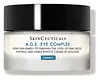
This anti-aging eye moisturizer is formulated around Palmitoyl Tetrapeptide-7 to soften the look of wrinkles and fade the look of dark spots.
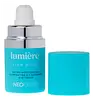
This anti-aging eye moisturizer is formulated around Caffeine and Tetrahexyldecyl Ascorbate to soften the look of wrinkles.

What's inside
What's inside
 Key Ingredients
Benefits
Concerns
Ingredients Side-by-side
Water
Skin ConditioningGlycerin
Humectant


Dimethicone
Emollient
Isohexadecane
EmollientParaffin
Skin Conditioning
Propylene Glycol
Humectant

Silica
Abrasive


Polyglyceryl-4 Isostearate
Emulsifying
Cetyl PEG/PPG-10/1 Dimethicone
Emulsifying
Hexyl Laurate
Emollient
Nylon-12

Hydroxypropyl Tetrahydropyrantriol
Skin ConditioningMethylsilanol/Silicate Crosspolymer
Skin ConditioningPolyethylene
Abrasive
Ascorbyl Glucoside
Antioxidant



Caprylic/Capric Triglyceride
Masking
Octyldodecanol
Emollient
Phenoxyethanol
Preservative
Tocopheryl Acetate
Antioxidant
Ammonium Polyacryloyldimethyl Taurate
Emulsion StabilisingPEG-6 Isostearate
Emulsifying
Triethanolamine
BufferingSodium Citrate
BufferingMethylparaben
Preservative
Chlorphenesin
Antimicrobial
Caffeine
Skin Conditioning
Titanium Dioxide
Cosmetic Colorant
Ethylparaben
Preservative
Menthoxypropanediol
Masking
Vaccinium Myrtillus Fruit Extract
Skin ConditioningHesperidin Methyl Chalcone
Antioxidant
Pentasodium Pentetate
ChelatingAluminum Hydroxide
EmollientStearic Acid
Cleansing
Hesperetin Laurate
Antioxidant
N-Hydroxysuccinimide
Skin ConditioningDipeptide-2
Skin Conditioning
Palmitoyl Tetrapeptide-7
Skin Conditioning
Palmitoyl Oligopeptide
Cleansing
Chrysin
Skin ConditioningWater, Glycerin, Dimethicone, Isohexadecane, Paraffin, Propylene Glycol, Silica, Polyglyceryl-4 Isostearate, Cetyl PEG/PPG-10/1 Dimethicone, Hexyl Laurate, Nylon-12, Hydroxypropyl Tetrahydropyrantriol, Methylsilanol/Silicate Crosspolymer, Polyethylene, Ascorbyl Glucoside, Caprylic/Capric Triglyceride, Octyldodecanol, Phenoxyethanol, Tocopheryl Acetate, Ammonium Polyacryloyldimethyl Taurate, PEG-6 Isostearate, Triethanolamine, Sodium Citrate, Methylparaben, Chlorphenesin, Caffeine, Titanium Dioxide, Ethylparaben, Menthoxypropanediol, Vaccinium Myrtillus Fruit Extract, Hesperidin Methyl Chalcone, Pentasodium Pentetate, Aluminum Hydroxide, Stearic Acid, Hesperetin Laurate, N-Hydroxysuccinimide, Dipeptide-2, Palmitoyl Tetrapeptide-7, Palmitoyl Oligopeptide, Chrysin
Water
Skin ConditioningC12-20 Acid PEG-8 Ester
Emulsifying
Petrolatum
Emollient
Caprylic/Capric Triglyceride
Masking
Hydrogenated Polyisobutene
EmollientGlycerin
Humectant
Butylene Glycol
Humectant
Saccharide Isomerate
Humectant
Hydroxyethyl Acrylate/Sodium Acryloyldimethyl Taurate Copolymer
Emulsion StabilisingBisabolol
Antioxidant
Caffeine
Skin Conditioning
Tetrahexyldecyl Ascorbate
Antioxidant
Fagus Sylvatica Bud Extract
TonicLecithin
Emollient
Cutaneous Lysate
MoisturisingTetrapeptide-21
Skin Conditioning
Sodium Hyaluronate
Humectant
Glycyrrhetinic Acid
Skin Conditioning
Citric Acid
Buffering
Dioscorea Villosa Root Extract
Skin Conditioning
Tocotrienols
Skin Conditioning
Elaeis Guineensis Oil
Emollient
Capryloyl Carnosine
Skin ConditioningTocopherol
Antioxidant
Benzoic Acid
Masking
Squalene
Emollient
Palmitoyl Tripeptide-1 Acetate
Skin Conditioning
Phytosterols
Skin Conditioning
Sodium Citrate
BufferingIsohexadecane
EmollientEthylhexylglycerin
Skin ConditioningPotassium Cetyl Phosphate
EmulsifyingAcrylates/C10-30 Alkyl Acrylate Crosspolymer
Emulsion StabilisingChlorphenesin
Antimicrobial
Polysorbate 60
Emulsifying
Sodium Hydroxide
BufferingDisodium EDTA
ChelatingSorbitan Isostearate
Emulsifying
Phenoxyethanol
Preservative
Benzyl Alcohol
Perfuming



Water, C12-20 Acid PEG-8 Ester, Petrolatum, Caprylic/Capric Triglyceride, Hydrogenated Polyisobutene, Glycerin, Butylene Glycol, Saccharide Isomerate, Hydroxyethyl Acrylate/Sodium Acryloyldimethyl Taurate Copolymer, Bisabolol, Caffeine, Tetrahexyldecyl Ascorbate, Fagus Sylvatica Bud Extract, Lecithin, Cutaneous Lysate, Tetrapeptide-21, Sodium Hyaluronate, Glycyrrhetinic Acid, Citric Acid, Dioscorea Villosa Root Extract, Tocotrienols, Elaeis Guineensis Oil, Capryloyl Carnosine, Tocopherol, Benzoic Acid, Squalene, Palmitoyl Tripeptide-1 Acetate, Phytosterols, Sodium Citrate, Isohexadecane, Ethylhexylglycerin, Potassium Cetyl Phosphate, Acrylates/C10-30 Alkyl Acrylate Crosspolymer, Chlorphenesin, Polysorbate 60, Sodium Hydroxide, Disodium EDTA, Sorbitan Isostearate, Phenoxyethanol, Benzyl Alcohol
Reviews
Ingredients Explained
These ingredients are found in both products.
Ingredients higher up in an ingredient list are typically present in a larger amount.
Caffeine is a naturally occurring plant compound found in coffee beans, tea leaves, cocoa pods, and guarana.
As an antioxidant, caffeine protects your skin from free radical damage caused by UV exposure and envionrmnetal stressors.
Early research also shows that caffeine can help calm redness, soothe irritated skin, and support hair growth by stimulating microcirculation in the scalp.
You might have seen eye creams marketing caffeine as a depuffing ingredient. This is because it is a vasoconstrictor meaning it can temporarily constrict blood vessels, though clinical evidence for this specific use is still limited.
Most skincare products contain this ingredient at concentrations between 1-6%. It is able to penetrate skin easily regardless of skin type or thickness.
Just so you know, a very small number of case reports describe caffeine-induced allergy. This ingredient is generally well-tolerated, non-irritating, and non-sensitizing for the majority of people.
Learn more about CaffeineCaprylic/Capric Triglyceride (aka MCT Oil) is a lightweight emollient, solvent, and texture enhancer. It is considered a skin-softener by helping to prevent moisture loss.
Though it behaves like an oil, it is not technically one due to its chemical composition. One perk of this ingredient is that it is very stable, resistant to oxidation, and unlikely to go rancid.
In practice, that translates to a long shelf life and a consistently elegant skin feel.
While there is an assumption Caprylic Triglyceride can clog pores due to it being derived from coconut oil, there is no research supporting this. Just patch test if you have concerns.
Fractionated coconut oil and MCT Oil are both listed as Caprylic/Capric Triglyceride according to INCI. This is because INCI names are based on the ingredient’s final chemical composition and not its marketing name or source.
This ingredient is treated as the gold standard fungal acne safe oil. Even though it is coconut derived, the problematic lauric acid is stripped out.
This leaves just caprylic (C8) and capric (C10) acid. These chain lengths actually trend antifungal; a 2020 study found caprylic acid was enough to disrupt Malassezia furfur cell membrane, with a caprylic acid derivative damaging membrane structures at concentrations as low as 0.2%.
Learn more about Caprylic/Capric TriglycerideChlorphenesin is a synthetic preservative. It helps protect a product against bacteria in order to extend shelf life. In most cases, Chlorphenesin is paired with other preservatives such as phenoxyethanol and caprylyl glycol.
Chlorphenesin is a biocide. This means it is able to help fight the microorganisms on our skin. It is also able to fight odor-releasing bacteria.
Chlorphenesin is soluble in both water and glycerin.
Studies show Chlorphenesin is easily absorbed by our skin. You should speak with a skincare professional if you have concerns about using Chlorphenesin.
Learn more about ChlorphenesinGlycerin (or glycerol) is a compound naturally found in your skin. It's a powerhouse humectant that pulls water into the stratum corneum.
Topically, glycerin does several things at once:
Your skin makes glycerin on its own (mostly from sebaceous oil breakdown) and shuttles it to your outermost layer of skin, or your epidermis, via aquaporin-3.
Aquaporin-3 is a transporter that is essential for normal skin hydration, elasticity, and repair. Interestingly, mice lacking in AQP3 have dry and less elastic skin that can be fully corrected with glycerin.
This ingredient is non-irritating, plays well with almost every ingredient, and works across all skin types. Typical use is anywhere between 3-10% but can go up to 79% in some leave-on products.
Just know very high concentrations (>40%) can feel tacky in low humidity.
Glycerin is the name for this ingredient in American English. British English uses Glycerol/Glycerine.
Learn more about GlycerinIsohexadecane is added to enhance texture, emulsify, and to help cleanse. It is an isoparrafin. It is a component of petrolatum.
Due to its large size, Isohexadecane is not absorbed by the skin. Instead, it sits on top and acts as an emollient. Emollients help keep your skin soft and smooth by trapping moisture within.
Isohexadecane is often used in products designed to help oily skin. It is lightweight and non-greasy while helping to moisturize. When mixed with silicones, it gives a product a silky feel.
Learn more about IsohexadecanePhenoxyethanol is one of the most widely used preservatives in skincare (and for good reason!).
It has a large spectrum of antimicrobial activity and especially effective bacteria, yeast, and mold while only having a weak effect on your skin's natural microbiome.
On a cellular level, it disrupts the cell membranes of microbes by poking holes that make the cell leak. This shuts down the chemical reactions the microbe needs to make energy so it can no longer survive.
Another perk of this ingredient is that it stays functional across a wide pH range (3-10).
You'll often see it paired with boosters like Ethylhexylglycerin; one study showed that a 1:9 ratio of Ethylhexylglycerin to Phenoxyethanol damages bacterial membranes as effectively as doubling the Phenoxyethanol concentration on its own.
Typical use concentrations range from 0.3-1% depending on the formula, and this ingredient is capped at 1% int the EU.
Safety-wise, the fear mongering does not hold up to the evidence. The EU's Scientific Committee on Consumer Safety and FDA consider it safe as a preservative at up to 1%, including for children of all ages.
Adverse systemic effects only showed up in animal studies at exposures roughly 200x higher than what people get from cosmetics. And despite its very widespread use, this ingredient is a rare sensitizer and allergic reactions are uncommon.
Learn more about PhenoxyethanolSodium Citrate is the sodium salts of citric acid. In skincare, it is used to alter pH levels and acts as a preservative.
Its main functions are to maintain the pH of a product and neutralize metal ions.
The acidity of our skin is maintained by our glands and skin biome; normal pH level of skin is slightly acidic (~4.75-5.5).
Being slightly acidic allows our skin to create an "acid mantle". This acid mantle is a thin barrier that protects our skin from bacteria and contaminants.
Learn more about Sodium CitrateWater. It's the most common cosmetic ingredient of all. You'll usually see it at the top of ingredient lists, meaning that it makes up the largest part of the product.
So why is it so popular? Water most often acts as a solvent - this means that it helps dissolve other ingredients into the formulation.
You'll also recognize water as that liquid we all need to stay alive. If you see this, drink a glass of water. Remember to stay hydrated!
Learn more about Water

