SKIN1004 Madagascar Centella Ampoule Foam Versus Some By Mi Propolis B5 Glow Barrier Calming Oil To Foam
This foaming makeup remover is made to dissolve makeup, sunscreen, and daily buildup.

What's inside
What's inside
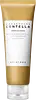 Key Ingredients
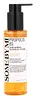
Benefits
Concerns
Ingredients Side-by-side
Water
Skin ConditioningSodium Cocoyl Isethionate
Cleansing
Glycerin
Humectant


Sodium Methyl Cocoyl Taurate
Cleansing
Coco-Betaine
Cleansing
Centella Asiatica Extract
Cleansing



Potassium Cocoyl Glycinate
Surfactant
1,2-Hexanediol
Skin Conditioning
Potassium Cocoate
Emulsifying

Potassium Benzoate
Preservative
Polyquaternium-67
Citric Acid
Buffering


Sodium Chloride
MaskingButylene Glycol
Humectant
Dextrin
AbsorbentTheobroma Cacao Extract
Skin ConditioningDisodium EDTA
ChelatingSodium Acetate
BufferingSodium Bicarbonate
Abrasive
Coptis Chinensis Root Extract
Antioxidant
Sodium Hyaluronate
Humectant
Coccinia Indica Fruit Extract
Skin Conditioning
Eclipta Prostrata Extract
Skin Conditioning
Water, Sodium Cocoyl Isethionate, Glycerin, Sodium Methyl Cocoyl Taurate, Coco-Betaine, Centella Asiatica Extract, Potassium Cocoyl Glycinate, 1,2-Hexanediol, Potassium Cocoate, Potassium Benzoate, Polyquaternium-67, Citric Acid, Sodium Chloride, Butylene Glycol, Dextrin, Theobroma Cacao Extract, Disodium EDTA, Sodium Acetate, Sodium Bicarbonate, Coptis Chinensis Root Extract, Sodium Hyaluronate, Coccinia Indica Fruit Extract, Eclipta Prostrata Extract
Honey
Humectant
Royal Jelly Extract
Skin Conditioning
Ceramide NP
Skin Conditioning
Vitis Vinifera Seed Oil
Emollient

Saponaria Officinalis Leaf Extract
AntimicrobialQuillaja Saponaria Bark Extract
CleansingSapindus Mukorossi Fruit Extract
Skin ConditioningOlea Europaea Leaf Extract
Perfuming
Oenothera Biennis Oil
Emollient
Lactobacillus/Soybean Ferment Extract
Skin ConditioningPortulaca Oleracea Extract
Skin Conditioning
Cinnamomum Cassia Bark Extract
Masking
Scutellaria Baicalensis Root Extract
Astringent
Origanum Vulgare Leaf Extract
Skin ConditioningChamaecyparis Obtusa Leaf Extract
Skin ConditioningSalix Alba Bark Extract
Astringent

Glycolipids
Skin ConditioningPhytosphingosine
Skin Conditioning
Sodium Cocoyl Glycinate
Cleansing
Sodium Cocoyl Apple Amino Acids
Foam Boosting
Potassium Cocoyl Hydrolyzed Oat Protein
Skin Conditioning
Babassuamidopropyl Betaine
CleansingCoco-Glucoside
Cleansing
Potassium Stearate
CleansingPotassium Myristate
EmulsifyingTromethamine
BufferingSodium Surfactin
CleansingGlyceryl Laurate
Emollient
Hydrogenated Lecithin
Emulsifying
Erythritol
Humectant
Caprylic/Capric Triglyceride
Masking
Butylene Glycol
Humectant
Dipropylene Glycol
HumectantC12-15 Alkyl Benzoate
AntimicrobialCaprylyl Glycol
Emollient
Hexylene Glycol
EmulsifyingEthylhexylglycerin
Skin ConditioningGlyceryl Caprylate
EmollientSodium Benzoate
Masking
Pentylene Glycol
Skin Conditioning
CI 17200
Cosmetic ColorantCI 19140
Cosmetic ColorantTetrasodium Glutamate Diacetate
ChelatingDisodium EDTA
ChelatingParfum
Masking

Honey, Royal Jelly Extract, Ceramide NP, Vitis Vinifera Seed Oil, Saponaria Officinalis Leaf Extract, Quillaja Saponaria Bark Extract, Sapindus Mukorossi Fruit Extract, Olea Europaea Leaf Extract, Oenothera Biennis Oil, Lactobacillus/Soybean Ferment Extract, Portulaca Oleracea Extract, Cinnamomum Cassia Bark Extract, Scutellaria Baicalensis Root Extract, Origanum Vulgare Leaf Extract, Chamaecyparis Obtusa Leaf Extract, Salix Alba Bark Extract, Glycolipids, Phytosphingosine, Sodium Cocoyl Glycinate, Sodium Cocoyl Apple Amino Acids, Potassium Cocoyl Hydrolyzed Oat Protein, Babassuamidopropyl Betaine, Coco-Glucoside, Potassium Stearate, Potassium Myristate, Tromethamine, Sodium Surfactin, Glyceryl Laurate, Hydrogenated Lecithin, Erythritol, Caprylic/Capric Triglyceride, Butylene Glycol, Dipropylene Glycol, C12-15 Alkyl Benzoate, Caprylyl Glycol, Hexylene Glycol, Ethylhexylglycerin, Glyceryl Caprylate, Sodium Benzoate, Pentylene Glycol, CI 17200, CI 19140, Tetrasodium Glutamate Diacetate, Disodium EDTA, Parfum
Reviews
Ingredients Explained
These ingredients are found in both products.
Ingredients higher up in an ingredient list are typically present in a larger amount.
Butylene Glycol (or BG) is used within cosmetic products for a few different reasons:
Overall, Butylene Glycol is a safe and well-rounded ingredient that works well with other ingredients.
Though this ingredient works well with most skin types, some people with sensitive skin may experience a reaction such as allergic rashes, closed comedones, or itchiness.
Learn more about Butylene GlycolDisodium EDTA is a chelating agent. It grabs onto and deactivates metal ions that sneak into your products from water, packaging, or air.
This ingredient mainly works behind the scenes and helps with:
On top of that, this ingredient can counteract the effects of hard water by binding to the minerals in it.
One thing worth knowing is that Disodium EDTA has been shown to be a mild penetration enhancer. It can help other ingredients absorb into skin more effectively which can be a double-edged sword (great for actives, but can also make the active too strong if you have sensitive skin).
Clinical patch testing showed no significant skin irritation at typical use concentrations and minimal dermal absorption.
You'll most likely see this ingredient near the end of an ingredient list. It's typically found in concentrations less than 1%.
Learn more about Disodium EDTA

