Simply Vital Collagen, Retinol & Hyaluronic Acid Cream Versus Murad Retinol Youth Renewal Night Cream
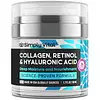
This anti-aging moisturizer is formulated around Retinol and Hyaluronic Acid to soften the look of wrinkles and hydrate skin.
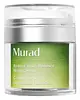
This anti-aging night moisturizer is formulated around Niacinamide and Retinol to soften the look of wrinkles and refine skin texture.

What's inside
What's inside
 Key Ingredients
Benefits
Concerns
Ingredients Side-by-side
Water
Skin ConditioningCaprylic/Capric Triglyceride
Masking


Cocos Nucifera Oil
Masking






Simmondsia Chinensis Seed Oil
Emollient
Aloe Barbadensis Sprout
HumectantStearyl Alcohol
Emollient
Stearic Acid
Cleansing
Isopropyl Myristate
Emollient
Retinol
Skin Conditioning







Hydrolyzed Collagen
Emollient
Hyaluronic Acid
Humectant
Acrylates/Steareth-20 Methacrylate Copolymer
Phenoxyethanol
Preservative
Caprylyl Glycol
Emollient
Potassium Sorbate
Preservative
Imidazolidinyl Urea
Preservative
EDTA
ChelatingCarbomer
Emulsion StabilisingPersea Gratissima Oil
Skin Conditioning
Chamomilla Recutita Flower Extract
Masking

Tocopheryl Acetate
Antioxidant

Water, Caprylic/Capric Triglyceride, Cocos Nucifera Oil, Simmondsia Chinensis Seed Oil, Aloe Barbadensis Sprout, Stearyl Alcohol, Stearic Acid, Isopropyl Myristate, Retinol, Hydrolyzed Collagen, Hyaluronic Acid, Acrylates/Steareth-20 Methacrylate Copolymer, Phenoxyethanol, Caprylyl Glycol, Potassium Sorbate, Imidazolidinyl Urea, EDTA, Carbomer, Persea Gratissima Oil, Chamomilla Recutita Flower Extract, Tocopheryl Acetate
Water
Skin ConditioningIsostearyl Hydroxystearate
EmollientNiacinamide
Smoothing
Propanediol
Solvent
Caprylic/Capric Triglyceride
Masking
C14-22 Alcohols
Emulsion Stabilising
Polymethylsilsesquioxane

Dimethicone
Emollient
Cetyl Alcohol
Emollient
Glyceryl Stearate
Emollient
Hydrolyzed Yeast Extract
Skin ConditioningIsopropyl Palmitate
Emollient
Retinol
Skin Conditioning
Retinyl Propionate
Skin Conditioning
Oleyl Alcohol
Emollient
Sodium Hyaluronate
Humectant
Serine
Masking
Hexyldecanol
Emollient
Glycine Soja Extract
Skin ConditioningTocopheryl Acetate
Antioxidant
Glycine Soja Sterols
Emollient
Urea
Buffering
Yeast Amino Acids
HumectantTrehalose
Humectant
Inositol
Humectant
Taurine
BufferingBetaine
Humectant
Glycerin
Humectant
Polyglucuronic Acid
Skin ConditioningC12-20 Alkyl Glucoside
EmulsifyingDioscorea Villosa Root Extract
Skin Conditioning
Pentylene Glycol
Skin Conditioning
Glyceryl Polyacrylate
Algin
MaskingCaprylyl Glycol
Emollient
Swertia Chirata Extract
HumectantLecithin
Emollient
Pullulan
Disodium Phosphate
BufferingPotassium Phosphate
BufferingPEG-75 Stearate
Surfactant
Ceteth-20
CleansingSteareth-20
CleansingCetyl Hydroxyethylcellulose
Emulsion StabilisingPhenoxyethanol
Preservative
Ethylhexylglycerin
Skin ConditioningPicolinamide
EmollientDisodium EDTA
ChelatingSodium Hydroxide
BufferingHexylene Glycol
EmulsifyingSodium Benzotriazolyl Butylphenol Sulfonate
UV AbsorberAmmonium Acryloyldimethyltaurate/Vp Copolymer
CI 19140
Cosmetic ColorantCI 14700
Cosmetic ColorantAlpha-Isomethyl Ionone
Perfuming
Citronellol
Perfuming
Parfum
Masking
Water, Isostearyl Hydroxystearate, Niacinamide, Propanediol, Caprylic/Capric Triglyceride, C14-22 Alcohols, Polymethylsilsesquioxane, Dimethicone, Cetyl Alcohol, Glyceryl Stearate, Hydrolyzed Yeast Extract, Isopropyl Palmitate, Retinol, Retinyl Propionate, Oleyl Alcohol, Sodium Hyaluronate, Serine, Hexyldecanol, Glycine Soja Extract, Tocopheryl Acetate, Glycine Soja Sterols, Urea, Yeast Amino Acids, Trehalose, Inositol, Taurine, Betaine, Glycerin, Polyglucuronic Acid, C12-20 Alkyl Glucoside, Dioscorea Villosa Root Extract, Pentylene Glycol, Glyceryl Polyacrylate, Algin, Caprylyl Glycol, Swertia Chirata Extract, Lecithin, Pullulan, Disodium Phosphate, Potassium Phosphate, PEG-75 Stearate, Ceteth-20, Steareth-20, Cetyl Hydroxyethylcellulose, Phenoxyethanol, Ethylhexylglycerin, Picolinamide, Disodium EDTA, Sodium Hydroxide, Hexylene Glycol, Sodium Benzotriazolyl Butylphenol Sulfonate, Ammonium Acryloyldimethyltaurate/Vp Copolymer, CI 19140, CI 14700, Alpha-Isomethyl Ionone, Citronellol, Parfum
Reviews
Ingredients Explained
These ingredients are found in both products.
Ingredients higher up in an ingredient list are typically present in a larger amount.
Caprylic/Capric Triglyceride (aka MCT Oil) is a lightweight emollient, solvent, and texture enhancer. It is considered a skin-softener by helping to prevent moisture loss.
Though it behaves like an oil, it is not technically one due to its chemical composition. One perk of this ingredient is that it is very stable, resistant to oxidation, and unlikely to go rancid.
In practice, that translates to a long shelf life and a consistently elegant skin feel.
While there is an assumption Caprylic Triglyceride can clog pores due to it being derived from coconut oil, there is no research supporting this. Just patch test if you have concerns.
Fractionated coconut oil and MCT Oil are both listed as Caprylic/Capric Triglyceride according to INCI. This is because INCI names are based on the ingredient’s final chemical composition and not its marketing name or source.
This ingredient is treated as the gold standard fungal acne safe oil. Even though it is coconut derived, the problematic lauric acid is stripped out.
This leaves just caprylic (C8) and capric (C10) acid. These chain lengths actually trend antifungal; a 2020 study found caprylic acid was enough to disrupt Malassezia furfur cell membrane, with a caprylic acid derivative damaging membrane structures at concentrations as low as 0.2%.
Learn more about Caprylic/Capric TriglycerideCaprylyl Glycol is a humectant, skin conditioner, emollient, and preservative booster derived from either caprylic acid or synthetically created.
Typical use levels vary from 0.3-1% as a preservative booster and go up to 2% to condition skin.
Because it is not a free-fatty acid, this ingredient is fungal acne safe (there's nothing for Malassezia to feed on).
Learn more about Caprylyl GlycolPhenoxyethanol is one of the most widely used preservatives in skincare (and for good reason!).
It has a large spectrum of antimicrobial activity and especially effective bacteria, yeast, and mold while only having a weak effect on your skin's natural microbiome.
On a cellular level, it disrupts the cell membranes of microbes by poking holes that make the cell leak. This shuts down the chemical reactions the microbe needs to make energy so it can no longer survive.
Another perk of this ingredient is that it stays functional across a wide pH range (3-10).
You'll often see it paired with boosters like Ethylhexylglycerin; one study showed that a 1:9 ratio of Ethylhexylglycerin to Phenoxyethanol damages bacterial membranes as effectively as doubling the Phenoxyethanol concentration on its own.
Typical use concentrations range from 0.3-1% depending on the formula, and this ingredient is capped at 1% int the EU.
Safety-wise, the fear mongering does not hold up to the evidence. The EU's Scientific Committee on Consumer Safety and FDA consider it safe as a preservative at up to 1%, including for children of all ages.
Adverse systemic effects only showed up in animal studies at exposures roughly 200x higher than what people get from cosmetics. And despite its very widespread use, this ingredient is a rare sensitizer and allergic reactions are uncommon.
Learn more about PhenoxyethanolRetinol is one of the most studied anti-aging ingredients in skincare (and for good reason!).
It's a form of vitamin A that your skin converts into Retinoic Acid, the active molecule that actually does the work in your cells.
That conversion happens in two steps: your skin first turns Retinol into Retinaldehyde (also called Retinal), then turns Retinaldehyde into Retinoic Acid.
Retinol is converted to biologically active retinoic acid via retinaldehyde by dehydrogenases in a two-step oxidation process.
Each step is a little "upgrade" toward the active form which is part of why Retinol is gentler than prescription Retinoic Acid; your skin does the work gradually. This also explains where Retinol sits in the retinoid family.
Here is the retinoid family ranked roughly by strength: Retinyl Esters (like Retinyl Palmitate) < Retinol < Retinaldehyde < Retinoic Acid.
Retinoid activity increases in that order, while tolerance runs in reverse; retinyl esters are the gentlest and retinoic acid the most irritating.
The more conversion steps an ingredient needs, the gentler (and slower) it tends to be, so Retinol lands in a nice middle spot. It's more effective than the esters, gentler than prescription options.
Once it becomes Retinoic Acid, it binds to receptors inside your cells' nuclei (called RARs and RXRs). These receptor pairs bind to specific DNA motifs called retinoic acid response elements and act like switches that turn certain genes on or off.
In practice, this means a few things happen in a formula. It:
That last two are worth a closer look.
A study that tested Retinol directly (not just prescription Retinoic Acid) found that four weeks of retinol thickened the epidermis and switched on the genes for Collagen I and Collagen III, with more procollagen I and III showing up in the skin. And after twelve weeks, facial wrinkles were visibly reduced.
Retinoids more broadly stimulate the skin's synthesis of hyaluronan and other glycosaminoglycans, part of what gives skin a plumper, more hydrated look over time.
So even the gentler OTC form is doing real structural work (not just sitting on the surface).
It's also worth knowing Retinol isn't only a wrinkle ingredient; it can help with uneven tone, dark spots, rough texture, and the look of pores as well because it speeds up turnover and influences pigment.
The research backs this up as well.
A pooled analysis of six clinical studies found that 0.1% stabilized retinol improved all signs of photoaging versus vehicle as early as week 4 and through 12 weeks, with only a few mild cases of irritation.
Another study comparing concentrations found that 0.3% and 1% Retinol were similarly effective at remodeling photodamaged skin, but 0.3% caused fewer adverse reactions when used daily (a useful reminder that more isn't always better).
Retinol is about tenfold less potent than Retinoic Acid. This is why it works as a gentler, non-prescription option that builds results over time.
Typical concentrations range from 0.1-1%, with 0.1% to 0.3% being a well-supported sweet spot for visible benefits with good tolerability.
One quirk worth mentioning: Retinol is famously unstable.
It's highly sensitive to light and oxygen, and UV exposure breaks it down into a range of degradation products.
Real-world testing bears this out, with retinoid content in some products dropping anywhere from 0% to 80% after six months at room temperature, and even more at higher temperatures.
This is why good formulations lean on opaque, air-tight packaging (think tubes and pumps, not clear jars) and often "encapsulate" the Retinol to shield it.
Signs of oxidation include your product turning yellow or smelling "off". Keeping it somewhere cool and dark, and using it up within a few months of opening helps it stay effective.
The most common side effects are mild and temporary: usually some dryness, redness, or light peeling as your skin adjusts. These tend to settle with consistent and lower-frequency use.
Like all retinoids, Retinol works best with nightly use, a good moisturizer, and daytime sunscreen.
The "ramp up" method works well: start with Retinol once a week to give your skin time to adjust, which keeps irritation low. Slowly add more nights until you reach your goal frequency once your skin feels comfortable.
Retinoids also make your skin more sensitive to the sun in the first few weeks, so wear sunscreen every morning and protect your skin from direct sun while you build up tolerance.
One safety note: topical Retinoids aren't recommended during pregnancy or breastfeeding. Systemic absorption from creams is low but because high oral vitamin A is a known teratogen and topical safety data are limited, most clinicians recommend stopping retinoids when pregnant or trying to conceive.
Learn more about RetinolTocopheryl Acetate is a stable, shelf-friendly form of vitamin E.
Formulators love it because plain vitamin E oxidizes quickly once it hits air. This acetate version stays stable and resists going off, helping to extend a product's shelf life.
It's actually inactive on its own and works like a slow-release "storage" form; the enzymes in your skin called esterases gradually convert it into active vitamin E over time.
One in vivo study showed 5% of the acetate in the living layer of the epidermis converted to vitamin E after 5 days of application. This study also found the skin gained protection against UV damage even though the conversion was slow and small.
Once converted, vitamin E acts as a skin's main fat-soluble antioxidant that fights free radicals to protect skin from damage.
Topical vitamin E generally boosts the skin's photoprotection, and it reduced UV-damage in animal models.
This ingredient has some brightening potential but it's more of a prevention ingredient than spot-fader. Cell studies show it can slow down melanin production but it's worth noting that it's not the most powerful brightener out there.
Overall, it has a pretty solid safety profile and has been found to be non-irritating and non-comedogenic. Allergic reactions may happen but stay rare due to how widely the ingredient gets used.
The concentration will vary depending on the formula; industry data shows 0.1% in baby lotions, 3% in lipsticks, and 5% in foot powders. You can also find this ingredient at 100% in a pure vitamin E oil.
Most leave-on skincare keeps it at the lower end, often between 0.5-1%.
Learn more about Tocopheryl AcetateWater. It's the most common cosmetic ingredient of all. You'll usually see it at the top of ingredient lists, meaning that it makes up the largest part of the product.
So why is it so popular? Water most often acts as a solvent - this means that it helps dissolve other ingredients into the formulation.
You'll also recognize water as that liquid we all need to stay alive. If you see this, drink a glass of water. Remember to stay hydrated!
Learn more about Water

