Shiseido Vital Perfection Uplifting And Firming Advanced Cream Versus Eucerin Hyaluron-Filler + Volume-Lift Day Cream SPF 15
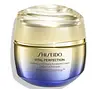
This anti-aging moisturizer is formulated around Caffeine and Panax Ginseng Root Extract to soften the look of wrinkles.
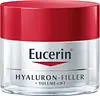
This anti-aging day moisturizer is formulated around Magnolia Officinalis Bark Extract and Sodium Hyaluronate to soften the look of wrinkles and hydrate skin.


What's inside
What's inside
 Key Ingredients
Benefits
Concerns
Ingredients Side-by-side
Water
Skin ConditioningButylene Glycol
Humectant

Glycerin
Humectant
Dimethicone
Emollient
Alcohol
Antimicrobial




PPG-3 Dipivalate
Skin ConditioningGlyceryl Stearate Se
Emulsifying


Pentaerythrityl Tetraethylhexanoate
Emollient
Cetearyl Alcohol
Emollient

Hydrogenated Polydecene
EmollientMyristyl Myristate
Emollient
PEG-100 Stearate
Surfactant
Silica
Abrasive


Bis-Diglyceryl Polyacyladipate-2
Emollient
Potassium Methoxysalicylate
BleachingMaltitol
HumectantTocopheryl Acetate
Antioxidant


PEG/PPG-14/7 Dimethyl Ether
Skin ConditioningPEG/PPG-17/4 Dimethyl Ether
Skin ConditioningRosa Damascena Flower Water
Masking

Caffeine
Skin Conditioning
Lavandula Angustifolia Oil
Masking



Phytosteryl/Octyldodecyl Lauroyl Glutamate
Skin ConditioningAngelica Keiskei Leaf/Stem Extract
Skin ConditioningCrataegus Monogyna Flower Extract
Skin ConditioningLamium Album Flower/Leaf/Stem Extract
Skin ConditioningPanax Ginseng Root Extract
Emollient
Camellia Sinensis Leaf Extract
Antimicrobial
Inositol
Humectant
Carthamus Tinctorius Flower Extract
Skin ConditioningZiziphus Jujuba Fruit Extract
Skin ConditioningRosmarinus Officinalis Leaf Extract
AntimicrobialBupleurum Falcatum Root Extract
Skin ConditioningBehenyl Alcohol
Emollient
Sodium Acrylate/Sodium Acryloyldimethyl Taurate Copolymer
Emulsion StabilisingStearyl Alcohol
Emollient
Polyvinyl Alcohol
Isohexadecane
EmollientPolysorbate 80
Emulsifying
Sorbitan Tristearate
EmulsifyingTrisodium EDTA
ChelatingSodium Citrate
BufferingSuccinoglycan
Skin ConditioningSorbitan Oleate
Emulsifying
Citric Acid
Buffering
Sodium Metaphosphate
BufferingLimonene
Perfuming
Hexyl Cinnamal
Perfuming
Sodium Metabisulfite
Antioxidant
Tocopherol
Antioxidant
Linalool
Perfuming
Citronellol
Perfuming
Alpinia Speciosa Leaf Extract
Skin ConditioningPhenoxyethanol
Preservative
Parfum
Masking
CI 77491
Cosmetic ColorantCI 77492
Cosmetic ColorantWater, Butylene Glycol, Glycerin, Dimethicone, Alcohol, PPG-3 Dipivalate, Glyceryl Stearate Se, Pentaerythrityl Tetraethylhexanoate, Cetearyl Alcohol, Hydrogenated Polydecene, Myristyl Myristate, PEG-100 Stearate, Silica, Bis-Diglyceryl Polyacyladipate-2, Potassium Methoxysalicylate, Maltitol, Tocopheryl Acetate, PEG/PPG-14/7 Dimethyl Ether, PEG/PPG-17/4 Dimethyl Ether, Rosa Damascena Flower Water, Caffeine, Lavandula Angustifolia Oil, Phytosteryl/Octyldodecyl Lauroyl Glutamate, Angelica Keiskei Leaf/Stem Extract, Crataegus Monogyna Flower Extract, Lamium Album Flower/Leaf/Stem Extract, Panax Ginseng Root Extract, Camellia Sinensis Leaf Extract, Inositol, Carthamus Tinctorius Flower Extract, Ziziphus Jujuba Fruit Extract, Rosmarinus Officinalis Leaf Extract, Bupleurum Falcatum Root Extract, Behenyl Alcohol, Sodium Acrylate/Sodium Acryloyldimethyl Taurate Copolymer, Stearyl Alcohol, Polyvinyl Alcohol, Isohexadecane, Polysorbate 80, Sorbitan Tristearate, Trisodium EDTA, Sodium Citrate, Succinoglycan, Sorbitan Oleate, Citric Acid, Sodium Metaphosphate, Limonene, Hexyl Cinnamal, Sodium Metabisulfite, Tocopherol, Linalool, Citronellol, Alpinia Speciosa Leaf Extract, Phenoxyethanol, Parfum, CI 77491, CI 77492
Water
Skin ConditioningGlycerin
Humectant
Butyrospermum Parkii Butter
Skin Conditioning
Ethylhexyl Salicylate
UV Absorber

Butyl Methoxydibenzoylmethane
UV Absorber
Dibutyl Adipate
EmollientCetearyl Alcohol
Emollient
Phenylbenzimidazole Sulfonic Acid
UV Absorber
C12-15 Alkyl Benzoate
AntimicrobialAluminum Starch Octenylsuccinate
Absorbent
Arginine Hcl
Skin ConditioningBis-Ethylhexyloxyphenol Methoxyphenyl Triazine
UV Absorber
Hydrogenated Coco-Glycerides
Emollient
Synthetic Beeswax
Emulsion Stabilising
Magnolia Officinalis Bark Extract
Antimicrobial
Pimpinella Anisum Fruit Extract
MaskingSodium Hyaluronate
Humectant
Methyl Methacrylate Crosspolymer
Acrylates/C10-30 Alkyl Acrylate Crosspolymer
Emulsion StabilisingCarbomer
Emulsion StabilisingSodium Stearoyl Glutamate
CleansingSodium Chloride
MaskingTrisodium EDTA
ChelatingSodium Hydroxide
BufferingEthylhexylglycerin
Skin Conditioning1,2-Hexanediol
Skin Conditioning
Phenoxyethanol
Preservative
Parfum
Masking
Water, Glycerin, Butyrospermum Parkii Butter, Ethylhexyl Salicylate, Butyl Methoxydibenzoylmethane, Dibutyl Adipate, Cetearyl Alcohol, Phenylbenzimidazole Sulfonic Acid, C12-15 Alkyl Benzoate, Aluminum Starch Octenylsuccinate, Arginine Hcl, Bis-Ethylhexyloxyphenol Methoxyphenyl Triazine, Hydrogenated Coco-Glycerides, Synthetic Beeswax, Magnolia Officinalis Bark Extract, Pimpinella Anisum Fruit Extract, Sodium Hyaluronate, Methyl Methacrylate Crosspolymer, Acrylates/C10-30 Alkyl Acrylate Crosspolymer, Carbomer, Sodium Stearoyl Glutamate, Sodium Chloride, Trisodium EDTA, Sodium Hydroxide, Ethylhexylglycerin, 1,2-Hexanediol, Phenoxyethanol, Parfum
Ingredients Explained
These ingredients are found in both products.
Ingredients higher up in an ingredient list are typically present in a larger amount.
Cetearyl alcohol is a waxy mixture of two fatty alcohols: cetyl alcohol and stearyl alcohol. It is an emollient and emulsifier.
Despite having "alcohol" in its name, it has nothing to do with drying solvent alcohols; the FDA also allows "alcohol-free" products to contain fatty alcohols like this ingredient.
It plays several roles in a formula:
Typical use levels for this ingredient sit around 1-10% and the Cosmetic Ingredient Review Expert Panel has affirmed safety at concentrations up to 25% in leave-on products.
Multiple assessments have found it to be non-irritating and non-sensitizing to most people.
However, there have been some cases of allergic contact dermatitis in patients with chronically compromised skin barriers.
Cetearyl alcohol has a comedogenic rating of 2 and irritancy rating of 1. Both of these numbers come from the 1989 study that used rabbit ears; a "2" means mildly comedogenic and a "1" means low irritancy.
Here's the catch: rabbit skin is more sensitive than human skin and throws a lot of false positives. A 1996 reappraisal found that ingredients rated 1-2 in the rabbit ear tests are generally safe for humans.
Remember comedogenic ratings are unable to assess the entire formula of a product or how it will react on your skin. Just be sure to patch test if you are unsure about certain ingredients.
This ingredient is not fungal acne safe. Cetearyl alcohol is a fatty alcohol with chain lengths that fall within the range that Malassezia can metabolize.
A 2019 study has also observed Malassezia growth in the presence of this ingredient, confirming it to be not-fungal acne safe.
Learn more about Cetearyl AlcoholGlycerin (or glycerol) is a compound naturally found in your skin. It's a powerhouse humectant that pulls water into the stratum corneum.
Topically, glycerin does several things at once:
Your skin makes glycerin on its own (mostly from sebaceous oil breakdown) and shuttles it to your outermost layer of skin, or your epidermis, via aquaporin-3.
Aquaporin-3 is a transporter that is essential for normal skin hydration, elasticity, and repair. Interestingly, mice lacking in AQP3 have dry and less elastic skin that can be fully corrected with glycerin.
This ingredient is non-irritating, plays well with almost every ingredient, and works across all skin types. Typical use is anywhere between 3-10% but can go up to 79% in some leave-on products.
Just know very high concentrations (>40%) can feel tacky in low humidity.
Glycerin is the name for this ingredient in American English. British English uses Glycerol/Glycerine.
Learn more about GlycerinParfum is a catch-all term for an ingredient or more that is used to give a scent to products.
Also called "fragrance", this ingredient can be a blend of hundreds of chemicals or plant oils. This means every product with "fragrance" or "parfum" in the ingredients list is a different mixture.
For instance, Habanolide is a proprietary trade name for a specific aroma chemical. When used as a fragrance ingredient in cosmetics, most aroma chemicals fall under the broad labeling category of “FRAGRANCE” or “PARFUM” according to EU and US regulations.
The term 'parfum' or 'fragrance' is not regulated in many countries. In many cases, it is up to the brand to define this term.
For instance, many brands choose to label themselves as "fragrance-free" because they are not using synthetic fragrances. However, their products may still contain ingredients such as essential oils that are considered a fragrance by INCI standards.
One example is Calendula flower extract. Calendula is an essential oil that still imparts a scent or 'fragrance'.
Depending on the blend, the ingredients in the mixture can cause allergies and sensitivities on the skin. Some ingredients that are known EU allergens include linalool and citronellol.
Parfum can also be used to mask or cover an unpleasant scent.
The bottom line is: not all fragrances/parfum/ingredients are created equally. If you are worried about fragrances, we recommend taking a closer look at an ingredient. And of course, we always recommend speaking with a professional.
Learn more about ParfumPhenoxyethanol is one of the most widely used preservatives in skincare (and for good reason!).
It has a large spectrum of antimicrobial activity and especially effective bacteria, yeast, and mold while only having a weak effect on your skin's natural microbiome.
On a cellular level, it disrupts the cell membranes of microbes by poking holes that make the cell leak. This shuts down the chemical reactions the microbe needs to make energy so it can no longer survive.
Another perk of this ingredient is that it stays functional across a wide pH range (3-10).
You'll often see it paired with boosters like Ethylhexylglycerin; one study showed that a 1:9 ratio of Ethylhexylglycerin to Phenoxyethanol damages bacterial membranes as effectively as doubling the Phenoxyethanol concentration on its own.
Typical use concentrations range from 0.3-1% depending on the formula, and this ingredient is capped at 1% int the EU.
Safety-wise, the fear mongering does not hold up to the evidence. The EU's Scientific Committee on Consumer Safety and FDA consider it safe as a preservative at up to 1%, including for children of all ages.
Adverse systemic effects only showed up in animal studies at exposures roughly 200x higher than what people get from cosmetics. And despite its very widespread use, this ingredient is a rare sensitizer and allergic reactions are uncommon.
Learn more about PhenoxyethanolTrisodium EDTA is one of those quietly essential helper ingredients that most people have never heard of. You'll most likely spot it near the end of ingredient lists in almost every category of skincare.
So what does it actually do?
Its main job is chelation; this is a fancy word to say it grabs onto metal ions and neutralizes them. This is because even purified water in cosmetics contains trace amounts of metals that can cause big problems in a formula.
These trace metals can break down actives faster, cause discoloration, promote rancidity in oils, and make preservatives less effective. Trisodium EDTA binds to these metals and takes them out of the equation so your products can stay stable and effective for longer.
There's also an added bonus: by neutralizing the metals ions that bacteria need to thrive, this ingredient also acts as a preservative booster.
The Cosmetic Ingredient Review has concluded this ingredient to be safe as used in cosmetic formulations. It is not considered an irritant, sensitizer, and is barely absorbed through the skin.
Learn more about Trisodium EDTAWater. It's the most common cosmetic ingredient of all. You'll usually see it at the top of ingredient lists, meaning that it makes up the largest part of the product.
So why is it so popular? Water most often acts as a solvent - this means that it helps dissolve other ingredients into the formulation.
You'll also recognize water as that liquid we all need to stay alive. If you see this, drink a glass of water. Remember to stay hydrated!
Learn more about Water

