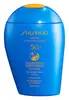
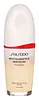
Shiseido Ultimate Sun Protector Lotion SPF 50+ Versus Shiseido Revitalessence Skin Glow Foundation SPF30
This chemical sunscreen covers most of the UV range, lighter on the deep UVA that drives aging.

What's inside
What's inside
 Key Ingredients
Benefits
Concerns
Ingredients Side-by-side
Butyl Methoxydibenzoylmethane 2.3%
UV Absorber
Homosalate 10%
Skin Conditioning
Ethylhexyl Salicylate 5%
UV Absorber
Octocrylene 5%
UV Absorber

Water
Skin ConditioningDiisopropyl Sebacate
EmollientTalc
Abrasive
Methyl Methacrylate Crosspolymer

Dimethicone
Emollient

PEG/PPG-9/2 Dimethyl Ether
Skin ConditioningSd Alcohol 40-B
Astringent

Lauryl PEG-9 Polydimethylsiloxyethyl Dimethicone
Skin Conditioning
Triethylhexanoin
MaskingGlycerin
Humectant

Dextrin Palmitate
Emulsifying

Sucrose Tetrastearate Triacetate
Emollient
Isododecane
EmollientPPG-3 Dipivalate
Skin ConditioningTrimethylsiloxysilicate
Emollient
Silica
Abrasive
Sodium Chloride
MaskingPEG/PPG-14/7 Dimethyl Ether
Skin ConditioningSaxifraga Sarmentosa Extract
Skin ConditioningCamellia Sinensis Leaf Extract
Antimicrobial




Sophora Angustifolia Root Extract
Skin ConditioningPPG-17
Skin ConditioningDisteardimonium Hectorite
StabilisingCalcium Stearate
Cosmetic ColorantIsostearic Acid
Cleansing
Palmitic Acid
Emollient
Trisodium EDTA
ChelatingAlcohol
Antimicrobial
Silica Dimethyl Silylate
EmollientVinyl Dimethicone/Methicone Silsesquioxane Crosspolymer
PEG-6
HumectantBHT
Antioxidant
Tocopherol
Antioxidant

Butylene Glycol
Humectant
Stearic Acid
Cleansing
Sodium Metabisulfite
Antioxidant
Syzygium Jambos Leaf Extract
Skin ConditioningPolysilicone-2
Methylparaben
Preservative
Parfum
Masking

Iron Oxides
Butyl Methoxydibenzoylmethane 2.3%, Homosalate 10%, Ethylhexyl Salicylate 5%, Octocrylene 5%, Water, Diisopropyl Sebacate, Talc, Methyl Methacrylate Crosspolymer, Dimethicone, PEG/PPG-9/2 Dimethyl Ether, Sd Alcohol 40-B, Lauryl PEG-9 Polydimethylsiloxyethyl Dimethicone, Triethylhexanoin, Glycerin, Dextrin Palmitate, Sucrose Tetrastearate Triacetate, Isododecane, PPG-3 Dipivalate, Trimethylsiloxysilicate, Silica, Sodium Chloride, PEG/PPG-14/7 Dimethyl Ether, Saxifraga Sarmentosa Extract, Camellia Sinensis Leaf Extract, Sophora Angustifolia Root Extract, PPG-17, Disteardimonium Hectorite, Calcium Stearate, Isostearic Acid, Palmitic Acid, Trisodium EDTA, Alcohol, Silica Dimethyl Silylate, Vinyl Dimethicone/Methicone Silsesquioxane Crosspolymer, PEG-6, BHT, Tocopherol, Butylene Glycol, Stearic Acid, Sodium Metabisulfite, Syzygium Jambos Leaf Extract, Polysilicone-2, Methylparaben, Parfum, Iron Oxides
Water
Skin ConditioningDiphenylsiloxy Phenyl Trimethicone
Skin Conditioning
Dipropylene Glycol
HumectantGlycerin
Humectant
Ethylhexyl Methoxycinnamate
UV Absorber
Alcohol Denat.
Antimicrobial
PEG-8
HumectantNiacinamide
Smoothing


PEG-60 Hydrogenated Castor Oil
Emulsifying
Isostearic Acid
Cleansing
Polyglyceryl-6 Polyricinoleate
Emulsifying
Lactobacillus/Rice Ferment
Skin Conditioning
Ammonium Acryloyldimethyltaurate/Beheneth-25 Methacrylate Crosspolymer
Emulsion StabilisingTocopheryl Acetate
Antioxidant
Sodium Dilauramidoglutamide Lysine
HumectantMagnesium Chloride
Polyquaternium-51
Skin Conditioning
Lavandula Angustifolia Oil
Masking

Sanguisorba Officinalis Root Extract
CleansingCamellia Sinensis Leaf Extract
Antimicrobial
Hydrogenated Polyisobutene
EmollientPEG-12 Dimethicone
Skin Conditioning
PEG-100 Hydrogenated Castor Oil
Emulsifying
Butylene Glycol
Humectant
Aluminum Hydroxide
EmollientTrisodium EDTA
ChelatingAcrylates/C10-30 Alkyl Acrylate Crosspolymer
Emulsion StabilisingDimethylacrylamide/Sodium Acryloyldimethyltaurate Crosspolymer
BHT
Antioxidant
Tocopherol
Antioxidant
Potassium Hydroxide
BufferingAlcohol
Antimicrobial
Sodium Metabisulfite
Antioxidant
Linalool
Perfuming
PEG/PPG-19/19 Dimethicone
Emulsifying
Stearic Acid
Cleansing
Phenoxyethanol
Preservative
CI 77891
Cosmetic ColorantCI 77492
Cosmetic ColorantCI 77499
Cosmetic ColorantCI 77491
Cosmetic ColorantWater, Diphenylsiloxy Phenyl Trimethicone, Dipropylene Glycol, Glycerin, Ethylhexyl Methoxycinnamate, Alcohol Denat., PEG-8, Niacinamide, PEG-60 Hydrogenated Castor Oil, Isostearic Acid, Polyglyceryl-6 Polyricinoleate, Lactobacillus/Rice Ferment, Ammonium Acryloyldimethyltaurate/Beheneth-25 Methacrylate Crosspolymer, Tocopheryl Acetate, Sodium Dilauramidoglutamide Lysine, Magnesium Chloride, Polyquaternium-51, Lavandula Angustifolia Oil, Sanguisorba Officinalis Root Extract, Camellia Sinensis Leaf Extract, Hydrogenated Polyisobutene, PEG-12 Dimethicone, PEG-100 Hydrogenated Castor Oil, Butylene Glycol, Aluminum Hydroxide, Trisodium EDTA, Acrylates/C10-30 Alkyl Acrylate Crosspolymer, Dimethylacrylamide/Sodium Acryloyldimethyltaurate Crosspolymer, BHT, Tocopherol, Potassium Hydroxide, Alcohol, Sodium Metabisulfite, Linalool, PEG/PPG-19/19 Dimethicone, Stearic Acid, Phenoxyethanol, CI 77891, CI 77492, CI 77499, CI 77491
Reviews
Ingredients Explained
These ingredients are found in both products.
Ingredients higher up in an ingredient list are typically present in a larger amount.
This ingredient is also called ethanol or ethyl alcohol. It is denatured, meaning made undrinkable for cosmetic use.
In formulas, it:
Is it bad for your skin?
The answer comes down to concentration. Patch and wash studies have found highly concentrated alcohol-based hand rubs (60-100%) cause less barrier disruption than washing with a basic detergent like SLS. The only measurable effect in these studies was a temporary dip in skin hydration.
Concentrations below 12-15% in leave-on cosmetics is generally well-tolerated. Concentrations above start to see increased transepidermal water loss (TEWL) and reduced hydration.
In concentrations about 58%, it creates temporary channels in your skin's lipid layers to become more permeable and allow other ingredients to slip through easily.
This ingredient can be up to 80% of the formula in alcohol-based perfumes.
Overall, this ingredient is probably harmless if found lower down an ingredients list but worth side-eyeing if it's high up (especially if your barrier is already struggling).
Alcohol can worsen dry skin, eczema, and oily skin, especially at higher concentrations. This is because it can increase transepidermal water loss and decrease hydration to disrupt the skin barrier.
According to the National Rosacea Society based in the US, you should be mindful of products with these alcohols in the top half of ingredients.
True allergic contact dermatitis to ethanol is uncommon, but be sure to patch test if you have dry or sensitive skin.
Learn more about AlcoholBHT is a synthetic antioxidant and preservative.
As an antioxidant, it helps your body fight off free-radicals. Free-radicals are molecules that may damage your skin cells.
As a preservative, it is used to stabilize products and prevent them from degrading. Specifically, BHT prevents degradation from oxidation.
The concerns related to BHT come from oral studies; this ingredient is currently allowed for use by both the FDA and EU.
However, it was recently restricted for use in the UK as of April 2024.
Learn more about BHTButylene Glycol (or BG) is used within cosmetic products for a few different reasons:
Overall, Butylene Glycol is a safe and well-rounded ingredient that works well with other ingredients.
Though this ingredient works well with most skin types, some people with sensitive skin may experience a reaction such as allergic rashes, closed comedones, or itchiness.
Learn more about Butylene GlycolCamellia Sinensis Leaf Extract (tea extract) is one of the most well-researched plant extracts in skincare with an impressive resume.
Black tea, green tea, and oolong tea are all harvested from the Camellia Sinensis plant.
Studies show green tea extract and its catechins (like epigallocatechin gallate (EGCG)) help your skin cells product energy more efficiently and reducing the number of free-radicals that can damage your skin from the inside.
In lab-grown skin models, this translated to younger, healthier, and stronger skin.
There's also good sun protection data; researchers saw less DNA damage and redness on human skin when green tea was applied before UVB exposure. And the more they applied, the better the protection.
Needless to say, this ingredient shouldn't replace your sunscreen. But it is a great supportive ingredient that you can already find in many sunscreens and antioxidant serums.
A 2009 study found a 2% green tea lotion was effective for mild-to-moderate acne thanks to its anti-inflammatory and mild antimicrobial activity.
The quality of the extract matters a lot here:
Good extracts contain 50-90% catechins while lower quality ones are mostly there for marketing. We recommend reaching out to the brand if you have questions about the quality or source of their ingredients.
Human Repeated Insult Patch Testing showed no irritation or sensitization at use concentrations (0.86% in leave-on products and up to 30% as leaf water).
Learn more about Camellia Sinensis Leaf ExtractGlycerin (or glycerol) is a compound naturally found in your skin. It's a powerhouse humectant that pulls water into the stratum corneum.
Topically, glycerin does several things at once:
Your skin makes glycerin on its own (mostly from sebaceous oil breakdown) and shuttles it to your outermost layer of skin, or your epidermis, via aquaporin-3.
Aquaporin-3 is a transporter that is essential for normal skin hydration, elasticity, and repair. Interestingly, mice lacking in AQP3 have dry and less elastic skin that can be fully corrected with glycerin.
This ingredient is non-irritating, plays well with almost every ingredient, and works across all skin types. Typical use is anywhere between 3-10% but can go up to 79% in some leave-on products.
Just know very high concentrations (>40%) can feel tacky in low humidity.
Glycerin is the name for this ingredient in American English. British English uses Glycerol/Glycerine.
Learn more about GlycerinIsostearic Acid is a fatty acid and a structural cousin of stearic acid. It is an emulsifier.
The branched structure of this ingredient enhances fluidity and gives it a lighter, less greasy feel compared to other fatty acids. It helps improve texture and consistency because it prevents oil and water phases from separating.
This ingredient is sourced from plant-based oils like soybean or rapeseed.
Clinical studies found no signs of irritation from this ingredient.
Since Isostearic Acid is an 18-carbon fatty acid, it is in the range that Malassezia can feed on. This ingredient may not be fungal acne safe.
You might have seen sources that this ingredient is comedogenic. The original comedogenic testing on rabbit ear actually tested the ester, Isopropyl Isostearate and not Isostearic acid itself.
Any finished product with this ingredient won't automatically make you break out; it really comes down to concentration, formula, and your skin.
Because isostearic acid is a C18 fatty acid, this ingredient may not be fungal acne safe. The Malassezia yeast metabolizes fatty acids in the C11-24 range.
Learn more about Isostearic AcidSodium metabisulfite is also known as Sodium Pyrosulfite. It is a preservative, antioxidant, and disinfectant.
As a preservative, it helps stabilize cosmetic formulas without affecting their color or scent.
Stearic Acid is a fatty acid that is already found in your skin. It's one of the free fatty acids that works alongside ceramides and cholesterols to maintain your barrier.
In cosmetics, it is a multitasker:
Safety-wise, the CIR Expert Panel has concluded it to be safe in cosmetics when formulated to be non-irritating and non-sensitizing.
Free stearic acid is a C18 fatty acid that the Malassezia yeast can substrate, so this ingredient may not be fungal acne safe.
This ingredient does have a comedogenic rating of 2-3, but this doesn't mean a formula with this ingredient will clog pores.
Human testing has proved that any finished product with this ingredient won't automatically make you break out; it really comes down to concentration, formula, and your skin.
Learn more about Stearic AcidTocopherol is a fat-soluble antioxidant known as Vitamin E.
You'll find this ingredient in the vast majority of skincare (for good reason). It works to neutralize free radicals, or unstable molecules generated by UV exposure, pollution, and other environmental stressors, before they can cause oxidative damage to your skin cells.
Topically applied tocopherol has been shown to protect against UV damage by ramping up the skin's own natural defense enzymes.
It also acts as a skin conditioning agent; some studies show that regular topical use can improve the skin's water-binding capacity over 2-4 weeks.
This ingredient is especially loved for being a team player. When combined with Vitamin C, the photoprotective effect of both ingredients roughly doubles and the combo also helps reduce UV-induced DNA damage.
This ingredient has some brightening potential but it's more of a prevention ingredient than spot-fader. Cell studies show it can slow down melanin production but it's worth noting that it's not the most powerful brightener out there.
In formulations, it also serves as a stabilizer that helps protect other oxidation-prone ingredients from degrading.
Concentrations usually range from 0.1-1% in most leave-on products.
Learn more about TocopherolTrisodium EDTA is one of those quietly essential helper ingredients that most people have never heard of. You'll most likely spot it near the end of ingredient lists in almost every category of skincare.
So what does it actually do?
Its main job is chelation; this is a fancy word to say it grabs onto metal ions and neutralizes them. This is because even purified water in cosmetics contains trace amounts of metals that can cause big problems in a formula.
These trace metals can break down actives faster, cause discoloration, promote rancidity in oils, and make preservatives less effective. Trisodium EDTA binds to these metals and takes them out of the equation so your products can stay stable and effective for longer.
There's also an added bonus: by neutralizing the metals ions that bacteria need to thrive, this ingredient also acts as a preservative booster.
The Cosmetic Ingredient Review has concluded this ingredient to be safe as used in cosmetic formulations. It is not considered an irritant, sensitizer, and is barely absorbed through the skin.
Learn more about Trisodium EDTAWater. It's the most common cosmetic ingredient of all. You'll usually see it at the top of ingredient lists, meaning that it makes up the largest part of the product.
So why is it so popular? Water most often acts as a solvent - this means that it helps dissolve other ingredients into the formulation.
You'll also recognize water as that liquid we all need to stay alive. If you see this, drink a glass of water. Remember to stay hydrated!
Learn more about Water

