

What's inside
What's inside
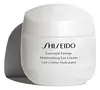 Key Ingredients
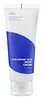
Benefits
Concerns
Ingredients Side-by-side
Water
Skin ConditioningDipropylene Glycol
HumectantBetaine
Humectant


Butylene Glycol
Humectant
Glycerin
Humectant
Behenyl Alcohol
Emollient
Sd Alcohol 40-B
Astringent


Dimethicone
Emollient
Isododecane
EmollientIsohexadecane
EmollientBeheneth-20
EmulsifyingSilica
Abrasive


Myristyl Myristate
Emollient



Phytosteryl Macadamiate
Skin Conditioning
Erythritol
Humectant
Xanthan Gum
EmulsifyingTocopheryl Acetate
Antioxidant


PEG/PPG-14/7 Dimethyl Ether
Skin ConditioningPEG/PPG-17/4 Dimethyl Ether
Skin ConditioningCaffeine
Skin Conditioning
Scutellaria Baicalensis Root Extract
Astringent
Angelica Keiskei Leaf/Stem Extract
Skin ConditioningSodium Acetylated Hyaluronate
Humectant
Camellia Sinensis Leaf Extract
Antimicrobial
Citrus Unshiu Peel Extract
MaskingZingiber Aromaticus Extract
Skin ConditioningHydrolyzed Conchiolin Protein
Skin ConditioningPolyquaternium-51
Skin Conditioning
Pyrola Incarnata Extract
Skin ConditioningPanax Ginseng Root Extract
Emollient
PPG-17
Skin ConditioningStearyl Alcohol
Emollient
Beheneth-30
CleansingAlcohol
Antimicrobial
Disodium EDTA
Carbomer
Emulsion StabilisingCellulose Gum
Emulsion StabilisingBHT
Antioxidant
Sodium Metaphosphate
BufferingPotassium Hydroxide
BufferingSodium Metabisulfite
Antioxidant
Tocopherol
Antioxidant
Hdi/Trimethylol Hexyllactone Crosspolymer
Cinnamomum Cassia Bark Extract
Masking
Phenoxyethanol
Preservative
Parfum
Masking

Iron Oxides
Water, Dipropylene Glycol, Betaine, Butylene Glycol, Glycerin, Behenyl Alcohol, Sd Alcohol 40-B, Dimethicone, Isododecane, Isohexadecane, Beheneth-20, Silica, Myristyl Myristate, Phytosteryl Macadamiate, Erythritol, Xanthan Gum, Tocopheryl Acetate, PEG/PPG-14/7 Dimethyl Ether, PEG/PPG-17/4 Dimethyl Ether, Caffeine, Scutellaria Baicalensis Root Extract, Angelica Keiskei Leaf/Stem Extract, Sodium Acetylated Hyaluronate, Camellia Sinensis Leaf Extract, Citrus Unshiu Peel Extract, Zingiber Aromaticus Extract, Hydrolyzed Conchiolin Protein, Polyquaternium-51, Pyrola Incarnata Extract, Panax Ginseng Root Extract, PPG-17, Stearyl Alcohol, Beheneth-30, Alcohol, Disodium EDTA, Carbomer, Cellulose Gum, BHT, Sodium Metaphosphate, Potassium Hydroxide, Sodium Metabisulfite, Tocopherol, Hdi/Trimethylol Hexyllactone Crosspolymer, Cinnamomum Cassia Bark Extract, Phenoxyethanol, Parfum, Iron Oxides
Water
Skin ConditioningGlycerin
Humectant
Hydrogenated Polydecene
EmollientCaprylic/Capric Triglyceride
Masking
Dipropylene Glycol
HumectantCyclohexasiloxane
Emollient
Butyrospermum Parkii Butter
Skin Conditioning
Polyglyceryl-3 Methylglucose Distearate
Emulsifying
Cetyl Alcohol
Emollient
Glycereth-26
Humectant
Glyceryl Stearate
Emollient
Betaine
Humectant
Behenyl Alcohol
Emollient
Vinyldimethicone
Pentylene Glycol
Skin Conditioning
Laminaria Japonica Extract
Skin Protecting
Eclipta Prostrata Leaf Extract
Skin ConditioningAvena Sativa Kernel Extract
Abrasive
Cynara Scolymus Leaf Extract
Skin ConditioningPrunus Armeniaca Kernel Oil
Masking
Argania Spinosa Kernel Oil
Emollient
Carthamus Tinctorius Seed Oil
Masking
Sodium Hyaluronate
Humectant
Hydrogenated Lecithin
Emulsifying
Camellia Sinensis Leaf Water
Masking
Polyglyceryl-10 Laurate
Skin Conditioning
Pentaerythrityl Distearate
Emulsifying
Ammonium Acryloyldimethyltaurate/Vp Copolymer
Glyceryl Caprylate
EmollientSodium Stearoyl Glutamate
CleansingMethylpropanediol
SolventFructooligosaccharides
Humectant
Disodium EDTA
Beta-Glucan
Skin Conditioning
Hydrolyzed Hyaluronic Acid
Humectant
Polyquaternium-51
Skin Conditioning
Butylene Glycol
Humectant
Hydroxypropyltrimonium Hyaluronate
Dimethylsilanol Hyaluronate
Humectant
Hydrolyzed Sodium Hyaluronate
Skin Conditioning
Potassium Hyaluronate
Skin ConditioningHyaluronic Acid
Humectant
Sodium Hyaluronate Crosspolymer
Humectant
Sodium Acetylated Hyaluronate
Humectant
Sodium Hyaluronate Dimethylsilanol
Humectant1,2-Hexanediol
Skin Conditioning
Hydroxyacetophenone
Antioxidant
Ethylhexylglycerin
Skin ConditioningWater, Glycerin, Hydrogenated Polydecene, Caprylic/Capric Triglyceride, Dipropylene Glycol, Cyclohexasiloxane, Butyrospermum Parkii Butter, Polyglyceryl-3 Methylglucose Distearate, Cetyl Alcohol, Glycereth-26, Glyceryl Stearate, Betaine, Behenyl Alcohol, Vinyldimethicone, Pentylene Glycol, Laminaria Japonica Extract, Eclipta Prostrata Leaf Extract, Avena Sativa Kernel Extract, Cynara Scolymus Leaf Extract, Prunus Armeniaca Kernel Oil, Argania Spinosa Kernel Oil, Carthamus Tinctorius Seed Oil, Sodium Hyaluronate, Hydrogenated Lecithin, Camellia Sinensis Leaf Water, Polyglyceryl-10 Laurate, Pentaerythrityl Distearate, Ammonium Acryloyldimethyltaurate/Vp Copolymer, Glyceryl Caprylate, Sodium Stearoyl Glutamate, Methylpropanediol, Fructooligosaccharides, Disodium EDTA, Beta-Glucan, Hydrolyzed Hyaluronic Acid, Polyquaternium-51, Butylene Glycol, Hydroxypropyltrimonium Hyaluronate, Dimethylsilanol Hyaluronate, Hydrolyzed Sodium Hyaluronate, Potassium Hyaluronate, Hyaluronic Acid, Sodium Hyaluronate Crosspolymer, Sodium Acetylated Hyaluronate, Sodium Hyaluronate Dimethylsilanol, 1,2-Hexanediol, Hydroxyacetophenone, Ethylhexylglycerin
Reviews
Ingredients Explained
These ingredients are found in both products.
Ingredients higher up in an ingredient list are typically present in a larger amount.
Behenyl Alcohol is a type of fatty alcohol (these are different from the drying, solvent alcohols).
Fatty Alcohols have hydrating properties and are most often used as an emollient or to thicken a product. They are usually derived from natural fats and oils; behenyl alcohol is derived from the fats of vegetable oils.
Emollients help keep your skin soft and hydrated by creating a film that traps moisture in.
In 2000, Behenyl Alcohol was approved by the US as medicine to reduce the duration of cold sores.
Learn more about Behenyl AlcoholBetaine is a humectant. Like hyaluronic acid, it helps attract and retain moisture in the skin. It’s known for being gentle and for helping the skin maintain balanced hydration.
Betaine is mainly used to improve hydration and support calmer skin. It helps skin cells regulate water balance because it functions as an osmolyte.
Some studies suggest betaine may support making skin tone more even.
Fun fact: Betaine naturally exists in the skin and the body. In cosmetic products, it can be either plant-derived (most commonly from sugar beets) or synthetically produced for consistency and stability.
Betaine is also known as trimethylglycine.
Learn more about BetaineButylene Glycol (or BG) is used within cosmetic products for a few different reasons:
Overall, Butylene Glycol is a safe and well-rounded ingredient that works well with other ingredients.
Though this ingredient works well with most skin types, some people with sensitive skin may experience a reaction such as allergic rashes, closed comedones, or itchiness.
Learn more about Butylene GlycolDipropylene Glycol is a synthetically created humectant, stabilizer, and solvent.
This ingredient helps:
Dipropylene glycol is technically an alcohol, but it belongs to the glycol family (often considered part of the ‘good’ alcohols). This means it is hydrating and gentle on skin unlike drying solvent alcohols like denatured alcohol.
As a masking agent, Dipropylene Glycol can be used to cover the smell of other ingredients. However, it does not have a scent.
Studies show Dipropylene Glycol is considered safe to use in skincare.
Learn more about Dipropylene GlycolDisodium EDTA is a chelating agent. It grabs onto and deactivates metal ions that sneak into your products from water, packaging, or air.
This ingredient mainly works behind the scenes and helps with:
On top of that, this ingredient can counteract the effects of hard water by binding to the minerals in it.
One thing worth knowing is that Disodium EDTA has been shown to be a mild penetration enhancer. It can help other ingredients absorb into skin more effectively which can be a double-edged sword (great for actives, but can also make the active too strong if you have sensitive skin).
Clinical patch testing showed no significant skin irritation at typical use concentrations and minimal dermal absorption.
You'll most likely see this ingredient near the end of an ingredient list. It's typically found in concentrations less than 1%.
Learn more about Disodium EDTAGlycerin (or glycerol) is a compound naturally found in your skin. It's a powerhouse humectant that pulls water into the stratum corneum.
Topically, glycerin does several things at once:
Your skin makes glycerin on its own (mostly from sebaceous oil breakdown) and shuttles it to your outermost layer of skin, or your epidermis, via aquaporin-3.
Aquaporin-3 is a transporter that is essential for normal skin hydration, elasticity, and repair. Interestingly, mice lacking in AQP3 have dry and less elastic skin that can be fully corrected with glycerin.
This ingredient is non-irritating, plays well with almost every ingredient, and works across all skin types. Typical use is anywhere between 3-10% but can go up to 79% in some leave-on products.
Just know very high concentrations (>40%) can feel tacky in low humidity.
Glycerin is the name for this ingredient in American English. British English uses Glycerol/Glycerine.
Learn more about GlycerinPolyquaternium-51 is a polymer salt. It helps hydrate the skin by creating a film on top. This film traps moisture in, keeping your skin soft and hydrated.
Sodium Acetylated Hyaluronate is a type of Hyaluronic Acid.
Hyaluronic Acids help moisturize, soothe, and protect the skin.
Read about common types of Hyaluronic Acid here:
Learn more about Sodium Acetylated HyaluronateWater. It's the most common cosmetic ingredient of all. You'll usually see it at the top of ingredient lists, meaning that it makes up the largest part of the product.
So why is it so popular? Water most often acts as a solvent - this means that it helps dissolve other ingredients into the formulation.
You'll also recognize water as that liquid we all need to stay alive. If you see this, drink a glass of water. Remember to stay hydrated!
Learn more about Water

