Shiseido Essential Energy Moisturizing Gel Cream Versus Clé de Peau Beauté Synactif Daytime Moisturizer
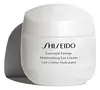
This day moisturizer is formulated around Caffeine and Panax Ginseng Root Extract to hydrate skin.
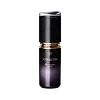
This anti-aging day moisturizer is formulated around Sodium Hyaluronate and Camellia Sinensis Leaf Extract to soften the look of wrinkles and hydrate skin.

What's inside
What's inside
 Key Ingredients
Benefits
Concerns
Ingredients Side-by-side
Water
Skin ConditioningDipropylene Glycol
HumectantBetaine
Humectant


Butylene Glycol
Humectant
Glycerin
Humectant
Behenyl Alcohol
Emollient
Sd Alcohol 40-B
Astringent


Dimethicone
Emollient
Isododecane
EmollientIsohexadecane
EmollientBeheneth-20
EmulsifyingSilica
Abrasive


Myristyl Myristate
Emollient



Phytosteryl Macadamiate
Skin Conditioning
Erythritol
Humectant
Xanthan Gum
EmulsifyingTocopheryl Acetate
Antioxidant


PEG/PPG-14/7 Dimethyl Ether
Skin ConditioningPEG/PPG-17/4 Dimethyl Ether
Skin ConditioningCaffeine
Skin Conditioning
Scutellaria Baicalensis Root Extract
Astringent
Angelica Keiskei Leaf/Stem Extract
Skin ConditioningSodium Acetylated Hyaluronate
Humectant
Camellia Sinensis Leaf Extract
Antimicrobial
Citrus Unshiu Peel Extract
MaskingZingiber Aromaticus Extract
Skin ConditioningHydrolyzed Conchiolin Protein
Skin ConditioningPolyquaternium-51
Skin Conditioning
Pyrola Incarnata Extract
Skin ConditioningPanax Ginseng Root Extract
Emollient
PPG-17
Skin ConditioningStearyl Alcohol
Emollient
Beheneth-30
CleansingAlcohol
Antimicrobial
Disodium EDTA
ChelatingCarbomer
Emulsion StabilisingCellulose Gum
Emulsion StabilisingBHT
Antioxidant
Sodium Metaphosphate
BufferingPotassium Hydroxide
BufferingSodium Metabisulfite
Antioxidant
Tocopherol
Antioxidant
Hdi/Trimethylol Hexyllactone Crosspolymer
Cinnamomum Cassia Bark Extract
Masking
Phenoxyethanol
Preservative
Parfum
Masking

Iron Oxides
Water, Dipropylene Glycol, Betaine, Butylene Glycol, Glycerin, Behenyl Alcohol, Sd Alcohol 40-B, Dimethicone, Isododecane, Isohexadecane, Beheneth-20, Silica, Myristyl Myristate, Phytosteryl Macadamiate, Erythritol, Xanthan Gum, Tocopheryl Acetate, PEG/PPG-14/7 Dimethyl Ether, PEG/PPG-17/4 Dimethyl Ether, Caffeine, Scutellaria Baicalensis Root Extract, Angelica Keiskei Leaf/Stem Extract, Sodium Acetylated Hyaluronate, Camellia Sinensis Leaf Extract, Citrus Unshiu Peel Extract, Zingiber Aromaticus Extract, Hydrolyzed Conchiolin Protein, Polyquaternium-51, Pyrola Incarnata Extract, Panax Ginseng Root Extract, PPG-17, Stearyl Alcohol, Beheneth-30, Alcohol, Disodium EDTA, Carbomer, Cellulose Gum, BHT, Sodium Metaphosphate, Potassium Hydroxide, Sodium Metabisulfite, Tocopherol, Hdi/Trimethylol Hexyllactone Crosspolymer, Cinnamomum Cassia Bark Extract, Phenoxyethanol, Parfum, Iron Oxides
Water
Skin ConditioningEthylhexyl Methoxycinnamate
UV Absorber

Butylene Glycol
Humectant
Glycerin
Humectant
Alcohol Denat.
Antimicrobial
Isododecane
EmollientPEG-8
HumectantOctocrylene
UV Absorber
Diphenylsiloxy Phenyl Trimethicone
Skin Conditioning
Butyl Methoxydibenzoylmethane
UV Absorber
Triethylhexanoin
MaskingSilica
Abrasive
Bis-Ethylhexyloxyphenol Methoxyphenyl Triazine
UV Absorber
Hydrogenated Polydecene
EmollientPhenylbenzimidazole Sulfonic Acid
UV Absorber
Betaine
Humectant
Beheneth-20
EmulsifyingDimethicone
Emollient
Trehalose
Humectant
PEG/PPG-14/7 Dimethyl Ether
Skin ConditioningPotassium Methoxysalicylate
BleachingPPG-17
Skin ConditioningAminomethyl Propanediol
BufferingBehenyl Alcohol
Emollient
C30-45 Alkyl Methicone
Emollient
Phenoxyethanol
Preservative
C30-45 Olefin
Skin ConditioningStearyl Alcohol
Emollient
Carbomer
Emulsion StabilisingAlcohol
Antimicrobial
Acrylates/C10-30 Alkyl Acrylate Crosspolymer
Emulsion StabilisingTocopheryl Acetate
Antioxidant
Xanthan Gum
EmulsifyingPEG-10 Dimethicone
Skin Conditioning
Parfum
Masking
Xylitol
Humectant
BHT
Antioxidant
Tocopherol
Antioxidant
PEG/PPG-19/19 Dimethicone
Emulsifying
Sodium Metaphosphate
BufferingCellulose Gum
Emulsion StabilisingDipeptide-15
Skin Conditioning
Polyquaternium-51
Skin Conditioning
Hydrogenated Polyisobutene
EmollientDisodium EDTA
ChelatingSodium Metabisulfite
Antioxidant
Erythritol
Humectant
PEG/PPG-17/4 Dimethyl Ether
Skin ConditioningCI 77492
Cosmetic ColorantIsostearic Acid
Cleansing
Butylphenyl Methylpropional
Perfuming
Sodium Hyaluronate
Humectant
CI 77491
Cosmetic ColorantLinalool
Perfuming
Citronellol
Perfuming
Lauryl Betaine
CleansingCentaurea Cyanus Flower Extract
Astringent
Lamium Album Flower/Leaf/Stem Extract
Skin ConditioningMorus Alba Root Extract
BleachingSodium Acetylated Hyaluronate
Humectant
Melissa Officinalis Leaf Extract
Skin ConditioningLecithin
Emollient
Cinnamomum Cassia Bark Extract
Masking
Nuphar Japonicum Root Extract
Skin ConditioningPanax Ginseng Root Extract
Emollient
Sodium Benzoate
Masking
Camellia Sinensis Leaf Extract
Antimicrobial
Ginkgo Biloba Leaf Extract
Skin Conditioning
Bupleurum Falcatum Root Extract
Skin ConditioningWater, Ethylhexyl Methoxycinnamate, Butylene Glycol, Glycerin, Alcohol Denat., Isododecane, PEG-8, Octocrylene, Diphenylsiloxy Phenyl Trimethicone, Butyl Methoxydibenzoylmethane, Triethylhexanoin, Silica, Bis-Ethylhexyloxyphenol Methoxyphenyl Triazine, Hydrogenated Polydecene, Phenylbenzimidazole Sulfonic Acid, Betaine, Beheneth-20, Dimethicone, Trehalose, PEG/PPG-14/7 Dimethyl Ether, Potassium Methoxysalicylate, PPG-17, Aminomethyl Propanediol, Behenyl Alcohol, C30-45 Alkyl Methicone, Phenoxyethanol, C30-45 Olefin, Stearyl Alcohol, Carbomer, Alcohol, Acrylates/C10-30 Alkyl Acrylate Crosspolymer, Tocopheryl Acetate, Xanthan Gum, PEG-10 Dimethicone, Parfum, Xylitol, BHT, Tocopherol, PEG/PPG-19/19 Dimethicone, Sodium Metaphosphate, Cellulose Gum, Dipeptide-15, Polyquaternium-51, Hydrogenated Polyisobutene, Disodium EDTA, Sodium Metabisulfite, Erythritol, PEG/PPG-17/4 Dimethyl Ether, CI 77492, Isostearic Acid, Butylphenyl Methylpropional, Sodium Hyaluronate, CI 77491, Linalool, Citronellol, Lauryl Betaine, Centaurea Cyanus Flower Extract, Lamium Album Flower/Leaf/Stem Extract, Morus Alba Root Extract, Sodium Acetylated Hyaluronate, Melissa Officinalis Leaf Extract, Lecithin, Cinnamomum Cassia Bark Extract, Nuphar Japonicum Root Extract, Panax Ginseng Root Extract, Sodium Benzoate, Camellia Sinensis Leaf Extract, Ginkgo Biloba Leaf Extract, Bupleurum Falcatum Root Extract
Ingredients Explained
These ingredients are found in both products.
Ingredients higher up in an ingredient list are typically present in a larger amount.
This ingredient is also called ethanol or ethyl alcohol. It is denatured, meaning made undrinkable for cosmetic use.
In formulas, it:
Is it bad for your skin?
The answer comes down to concentration. Patch and wash studies have found highly concentrated alcohol-based hand rubs (60-100%) cause less barrier disruption than washing with a basic detergent like SLS. The only measurable effect in these studies was a temporary dip in skin hydration.
Concentrations below 12-15% in leave-on cosmetics is generally well-tolerated. Concentrations above start to see increased transepidermal water loss (TEWL) and reduced hydration.
In concentrations about 58%, it creates temporary channels in your skin's lipid layers to become more permeable and allow other ingredients to slip through easily.
This ingredient can be up to 80% of the formula in alcohol-based perfumes.
Overall, this ingredient is probably harmless if found lower down an ingredients list but worth side-eyeing if it's high up (especially if your barrier is already struggling).
Alcohol can worsen dry skin, eczema, and oily skin, especially at higher concentrations. This is because it can increase transepidermal water loss and decrease hydration to disrupt the skin barrier.
According to the National Rosacea Society based in the US, you should be mindful of products with these alcohols in the top half of ingredients.
True allergic contact dermatitis to ethanol is uncommon, but be sure to patch test if you have dry or sensitive skin.
Learn more about AlcoholWe don't have a description for Beheneth-20 yet.
Behenyl Alcohol is a type of fatty alcohol (these are different from the drying, solvent alcohols).
Fatty Alcohols have hydrating properties and are most often used as an emollient or to thicken a product. They are usually derived from natural fats and oils; behenyl alcohol is derived from the fats of vegetable oils.
Emollients help keep your skin soft and hydrated by creating a film that traps moisture in.
In 2000, Behenyl Alcohol was approved by the US as medicine to reduce the duration of cold sores.
Learn more about Behenyl AlcoholBetaine is a humectant. Like hyaluronic acid, it helps attract and retain moisture in the skin. It’s known for being gentle and for helping the skin maintain balanced hydration.
Betaine is mainly used to improve hydration and support calmer skin. It helps skin cells regulate water balance because it functions as an osmolyte.
Some studies suggest betaine may support making skin tone more even.
Fun fact: Betaine naturally exists in the skin and the body. In cosmetic products, it can be either plant-derived (most commonly from sugar beets) or synthetically produced for consistency and stability.
Betaine is also known as trimethylglycine.
Learn more about BetaineBHT is a synthetic antioxidant and preservative.
As an antioxidant, it helps your body fight off free-radicals. Free-radicals are molecules that may damage your skin cells.
As a preservative, it is used to stabilize products and prevent them from degrading. Specifically, BHT prevents degradation from oxidation.
The concerns related to BHT come from oral studies; this ingredient is currently allowed for use by both the FDA and EU.
However, it was recently restricted for use in the UK as of April 2024.
Learn more about BHTButylene Glycol (or BG) is used within cosmetic products for a few different reasons:
Overall, Butylene Glycol is a safe and well-rounded ingredient that works well with other ingredients.
Though this ingredient works well with most skin types, some people with sensitive skin may experience a reaction such as allergic rashes, closed comedones, or itchiness.
Learn more about Butylene GlycolCamellia Sinensis Leaf Extract (tea extract) is one of the most well-researched plant extracts in skincare with an impressive resume.
Black tea, green tea, and oolong tea are all harvested from the Camellia Sinensis plant.
Studies show green tea extract and its catechins (like epigallocatechin gallate (EGCG)) help your skin cells product energy more efficiently and reducing the number of free-radicals that can damage your skin from the inside.
In lab-grown skin models, this translated to younger, healthier, and stronger skin.
There's also good sun protection data; researchers saw less DNA damage and redness on human skin when green tea was applied before UVB exposure. And the more they applied, the better the protection.
Needless to say, this ingredient shouldn't replace your sunscreen. But it is a great supportive ingredient that you can already find in many sunscreens and antioxidant serums.
A 2009 study found a 2% green tea lotion was effective for mild-to-moderate acne thanks to its anti-inflammatory and mild antimicrobial activity.
The quality of the extract matters a lot here:
Good extracts contain 50-90% catechins while lower quality ones are mostly there for marketing. We recommend reaching out to the brand if you have questions about the quality or source of their ingredients.
Human Repeated Insult Patch Testing showed no irritation or sensitization at use concentrations (0.86% in leave-on products and up to 30% as leaf water).
Learn more about Camellia Sinensis Leaf ExtractCarbomer is a synthetic thickening and gelling agent. It's basically the ingredient that gives a lot of serums, gels, creams, and sunscreens their smooth, non-sticky texture.
Although legally permitted at very high levels, carbomers are normally used at concentrations below 1%.
It also needs to be neutralized to actually thicken, and because it is a large molecule, it doesn't really penetrate the skin barrier.
Allergy-wise, the risk is very low. Clinical studies show carbomers have low potential for skin irritation/sensitization even at concentrations up to 100%.
A 2024 UK study patch-tested 1,302 patients and found true allergy to the parent group of carbomer to be rare with no confirmed relevant reactions.
Learn more about CarbomerCellulose Gum is a water-soluble polymer that comes from cellulose. It is used to change the texture of a product and to help stabilize emulsions.
As an emulsifier, cellulose gum specifically thicken the texture of water-based products.
This ingredient is considered hypoallergenic and non-toxic. Cellulose Gum can be found in cosmetics, food, and other household goods such as paper products.
Learn more about Cellulose GumThis ingredient comes from the cinnamon tree native to southern China.
Though cinnamon has a wonderful taste, it can cause skin irritation due to its rich coumarins, cinnamaldehyde, and styrene content.
Dimethicone is a type of synthetic silicone created from natural materials such as quartz. It is also known as polydimethylsiloxane.
What it does:
Dimethicone comes in different viscosities:
Depending on the viscosity, dimethicone has different properties.
Ingredients lists don't always show which type is used, so we recommend reaching out to the brand if you have questions about the viscosity.
This ingredient is unlikely to cause irritation because it does not get absorbed into skin. However, people with silicone allergies should be careful about using this ingredient.
Note: Dimethicone may contribute to pilling. This is because it is not oil or water soluble, so pilling may occur when layered with products. When mixed with heavy oils in a formula, the outcome is also quite greasy.
Learn more about DimethiconeDisodium EDTA is a chelating agent. It grabs onto and deactivates metal ions that sneak into your products from water, packaging, or air.
This ingredient mainly works behind the scenes and helps with:
On top of that, this ingredient can counteract the effects of hard water by binding to the minerals in it.
One thing worth knowing is that Disodium EDTA has been shown to be a mild penetration enhancer. It can help other ingredients absorb into skin more effectively which can be a double-edged sword (great for actives, but can also make the active too strong if you have sensitive skin).
Clinical patch testing showed no significant skin irritation at typical use concentrations and minimal dermal absorption.
You'll most likely see this ingredient near the end of an ingredient list. It's typically found in concentrations less than 1%.
Learn more about Disodium EDTAYou might know this ingredient as a sugar substitute in foods. It is a sugar alcohol with humectant properties.
Humectants attract water to your skin (like glycerin or hyaluronic acid).
Fun fact: Erythritol can be naturally found in some fermented foods.
Learn more about ErythritolGlycerin (or glycerol) is a compound naturally found in your skin. It's a powerhouse humectant that pulls water into the stratum corneum.
Topically, glycerin does several things at once:
Your skin makes glycerin on its own (mostly from sebaceous oil breakdown) and shuttles it to your outermost layer of skin, or your epidermis, via aquaporin-3.
Aquaporin-3 is a transporter that is essential for normal skin hydration, elasticity, and repair. Interestingly, mice lacking in AQP3 have dry and less elastic skin that can be fully corrected with glycerin.
This ingredient is non-irritating, plays well with almost every ingredient, and works across all skin types. Typical use is anywhere between 3-10% but can go up to 79% in some leave-on products.
Just know very high concentrations (>40%) can feel tacky in low humidity.
Glycerin is the name for this ingredient in American English. British English uses Glycerol/Glycerine.
Learn more about GlycerinIsododecane is a fragrance, emollient, and solvent.
As an emollient, it helps your skin stay soft and hydrated. Emollients help trap moisture into your skin.
Isododecane's role as a solvent makes it a great texture enhancer. It spreads smoothly on skin and does not leave a sticky feeling behind. Isododecane also helps prevent color transfer in makeup products.
Isododecane is not absorbed into skin.
The chemical name for this ingredient is 2,2,4,6,6-PENTAMETHYLHEPTANE.
Learn more about IsododecaneGinseng root is a well-loved ingredient in Asian skincare for good reason. It hydrates the skin, soothes irritation, and helps even out skin tone.
In traditional East Asian medicine, ginseng has been used for centuries both as food and as a healing remedy, and modern research continues to confirm its skin benefits.
One of the standout features of ginseng is its ability to improve blood circulation and oxygen delivery to the skin, bringing a fresh supply of nutrients to support overall skin health. It also has antioxidant and anti-inflammatory properties. This helps to protect your skin against damage from UV exposure, pollution, and daily stress.
Additionally, studies suggest that ginseng may help reduce hyperpigmentation by inhibiting tyrosinase, the enzyme involved in melanin production.
There are different types of ginseng used in skincare, and while they all share core benefits, their potency can vary.
Most products use fresh or white ginseng because it’s more affordable. However, red ginseng, produced by steaming the root, contains higher levels of ginsenosides, which are compounds with proven anti-aging effects. These ginsenosides help reduce the appearance of wrinkles and improve skin elasticity.
Note: All forms of ginseng are listed simply as “Panax ginseng” in ingredient lists. We recommend reaching out to the brand if you have questions about which type of ginseng is used in their ingredients.
For general antioxidant benefits, any ginseng extract will do, but for wrinkle care or firmer skin, red or fermented ginseng is often more effective.
In short, ginseng is a powerhouse ingredient that supports hydration, radiance, and resilience.
Learn more about Panax Ginseng Root ExtractParfum is a catch-all term for an ingredient or more that is used to give a scent to products.
Also called "fragrance", this ingredient can be a blend of hundreds of chemicals or plant oils. This means every product with "fragrance" or "parfum" in the ingredients list is a different mixture.
For instance, Habanolide is a proprietary trade name for a specific aroma chemical. When used as a fragrance ingredient in cosmetics, most aroma chemicals fall under the broad labeling category of “FRAGRANCE” or “PARFUM” according to EU and US regulations.
The term 'parfum' or 'fragrance' is not regulated in many countries. In many cases, it is up to the brand to define this term.
For instance, many brands choose to label themselves as "fragrance-free" because they are not using synthetic fragrances. However, their products may still contain ingredients such as essential oils that are considered a fragrance by INCI standards.
One example is Calendula flower extract. Calendula is an essential oil that still imparts a scent or 'fragrance'.
Depending on the blend, the ingredients in the mixture can cause allergies and sensitivities on the skin. Some ingredients that are known EU allergens include linalool and citronellol.
Parfum can also be used to mask or cover an unpleasant scent.
The bottom line is: not all fragrances/parfum/ingredients are created equally. If you are worried about fragrances, we recommend taking a closer look at an ingredient. And of course, we always recommend speaking with a professional.
Learn more about ParfumWe don't have a description for PEG/PPG-14/7 Dimethyl Ether yet.
We don't have a description for PEG/PPG-17/4 Dimethyl Ether yet.
Phenoxyethanol is one of the most widely used preservatives in skincare (and for good reason!).
It has a large spectrum of antimicrobial activity and especially effective bacteria, yeast, and mold while only having a weak effect on your skin's natural microbiome.
On a cellular level, it disrupts the cell membranes of microbes by poking holes that make the cell leak. This shuts down the chemical reactions the microbe needs to make energy so it can no longer survive.
Another perk of this ingredient is that it stays functional across a wide pH range (3-10).
You'll often see it paired with boosters like Ethylhexylglycerin; one study showed that a 1:9 ratio of Ethylhexylglycerin to Phenoxyethanol damages bacterial membranes as effectively as doubling the Phenoxyethanol concentration on its own.
Typical use concentrations range from 0.3-1% depending on the formula, and this ingredient is capped at 1% int the EU.
Safety-wise, the fear mongering does not hold up to the evidence. The EU's Scientific Committee on Consumer Safety and FDA consider it safe as a preservative at up to 1%, including for children of all ages.
Adverse systemic effects only showed up in animal studies at exposures roughly 200x higher than what people get from cosmetics. And despite its very widespread use, this ingredient is a rare sensitizer and allergic reactions are uncommon.
Learn more about PhenoxyethanolPolyquaternium-51 is a polymer salt. It helps hydrate the skin by creating a film on top. This film traps moisture in, keeping your skin soft and hydrated.
We don't have a description for PPG-17 yet.
Silica, also known as silicon dioxide, is a naturally occurring mineral. It is used as a fine, spherical, and porous powder in cosmetics.
Though it has exfoliant properties, the function of silica varies depending on the product.
The unique structure of silica enhances the spreadability and adds smoothness, making it a great texture enhancer.
It is also used as an active carrier, emulsifier, and mattifier due to its ability to absorb excess oil.
In some products, tiny microneedles called spicules are made from silica or hydrolyzed sponge. When you rub them in, they lightly polish away dead skin layers and enhance the penetration of active ingredients.
Learn more about SilicaSodium Acetylated Hyaluronate is a type of Hyaluronic Acid.
Hyaluronic Acids help moisturize, soothe, and protect the skin.
Read about common types of Hyaluronic Acid here:
Learn more about Sodium Acetylated HyaluronateSodium metabisulfite is also known as Sodium Pyrosulfite. It is a preservative, antioxidant, and disinfectant.
As a preservative, it helps stabilize cosmetic formulas without affecting their color or scent.
We don't have a description for Sodium Metaphosphate yet.
Stearyl Alcohol is a type of fatty alcohol from stearic acid. It is a white, waxy compound used to emulsify ingredients used as an emollient or to thicken a product.
Emollients help soothe and hydrate the skin by trapping moisture.
Fatty alcohols are usually derived from natural fats and oils and therefore do not have the same drying or irritating effect as solvent (ethanol) alcohols.
The FDA allows products labeled "alcohol-free" to have fatty alcohols.
This ingredient may not be fungal acne safe. It is a primary fatty alcohol with a chain length above 12 carbons. A study from 2019 show Malassezia can feed on fatty alcohols in this range, so it may trigger fungal acne in those prone to it.
Learn more about Stearyl AlcoholTocopherol is a fat-soluble antioxidant known as Vitamin E.
You'll find this ingredient in the vast majority of skincare (for good reason). It works to neutralize free radicals, or unstable molecules generated by UV exposure, pollution, and other environmental stressors, before they can cause oxidative damage to your skin cells.
Topically applied tocopherol has been shown to protect against UV damage by ramping up the skin's own natural defense enzymes.
It also acts as a skin conditioning agent; some studies show that regular topical use can improve the skin's water-binding capacity over 2-4 weeks.
This ingredient is especially loved for being a team player. When combined with Vitamin C, the photoprotective effect of both ingredients roughly doubles and the combo also helps reduce UV-induced DNA damage.
This ingredient has some brightening potential but it's more of a prevention ingredient than spot-fader. Cell studies show it can slow down melanin production but it's worth noting that it's not the most powerful brightener out there.
In formulations, it also serves as a stabilizer that helps protect other oxidation-prone ingredients from degrading.
Concentrations usually range from 0.1-1% in most leave-on products.
Learn more about TocopherolTocopheryl Acetate is a stable, shelf-friendly form of vitamin E.
Formulators love it because plain vitamin E oxidizes quickly once it hits air. This acetate version stays stable and resists going off, helping to extend a product's shelf life.
It's actually inactive on its own and works like a slow-release "storage" form; the enzymes in your skin called esterases gradually convert it into active vitamin E over time.
One in vivo study showed 5% of the acetate in the living layer of the epidermis converted to vitamin E after 5 days of application. This study also found the skin gained protection against UV damage even though the conversion was slow and small.
Once converted, vitamin E acts as a skin's main fat-soluble antioxidant that fights free radicals to protect skin from damage.
Topical vitamin E generally boosts the skin's photoprotection, and it reduced UV-damage in animal models.
This ingredient has some brightening potential but it's more of a prevention ingredient than spot-fader. Cell studies show it can slow down melanin production but it's worth noting that it's not the most powerful brightener out there.
Overall, it has a pretty solid safety profile and has been found to be non-irritating and non-comedogenic. Allergic reactions may happen but stay rare due to how widely the ingredient gets used.
The concentration will vary depending on the formula; industry data shows 0.1% in baby lotions, 3% in lipsticks, and 5% in foot powders. You can also find this ingredient at 100% in a pure vitamin E oil.
Most leave-on skincare keeps it at the lower end, often between 0.5-1%.
Learn more about Tocopheryl AcetateWater. It's the most common cosmetic ingredient of all. You'll usually see it at the top of ingredient lists, meaning that it makes up the largest part of the product.
So why is it so popular? Water most often acts as a solvent - this means that it helps dissolve other ingredients into the formulation.
You'll also recognize water as that liquid we all need to stay alive. If you see this, drink a glass of water. Remember to stay hydrated!
Learn more about WaterXanthan gum is used as a stabilizer and thickener within cosmetic products. It helps give products a sticky, thick feeling - preventing them from being too runny.
On the technical side of things, xanthan gum is a polysaccharide - a combination consisting of multiple sugar molecules bonded together.
Xanthan gum is a pretty common and great ingredient. It is a natural, non-toxic, non-irritating ingredient that is also commonly used in food products.
Learn more about Xanthan Gum

