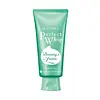
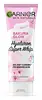
Senka Perfect Whip Beauty Foam Acne Care Cleanser Versus Garnier Sakura Glow Hyaluron Super Whip Foam
This salicylic acid foaming cleanser is formulated around Salicylic Acid to clear breakouts and unclog pores.


What's inside
What's inside
 Key Ingredients
Benefits
Concerns
Ingredients Side-by-side
Water
Skin ConditioningStearic Acid
Cleansing



Myristic Acid
Cleansing

PEG-8
HumectantPotassium Hydroxide
BufferingLauric Acid
Cleansing
Glycerin
Humectant

Dipropylene Glycol
HumectantBeeswax
Emulsion Stabilising
Polyquaternium-7
PEG-90m
Emulsion StabilisingPEG/PPG-14/7 Dimethyl Ether
Skin ConditioningSodium Hyaluronate
Humectant


Sericin
Skin ConditioningSodium Acetylated Hyaluronate
Humectant
Chamomilla Recutita Flower Extract
Masking
Alcohol
Antimicrobial


Salicylic Acid
Masking






Disodium EDTA
Sodium Metabisulfite
Antioxidant
Butylene Glycol
Humectant
Citric Acid
Buffering
Potassium Sorbate
Preservative
Silica
Abrasive
BHT
Antioxidant
Sodium Benzoate
Masking
Parfum
Masking

CI 17200
Cosmetic ColorantCI 15985
Cosmetic ColorantCI 61570
Cosmetic ColorantWater, Stearic Acid, Myristic Acid, PEG-8, Potassium Hydroxide, Lauric Acid, Glycerin, Dipropylene Glycol, Beeswax, Polyquaternium-7, PEG-90m, PEG/PPG-14/7 Dimethyl Ether, Sodium Hyaluronate, Sericin, Sodium Acetylated Hyaluronate, Chamomilla Recutita Flower Extract, Alcohol, Salicylic Acid, Disodium EDTA, Sodium Metabisulfite, Butylene Glycol, Citric Acid, Potassium Sorbate, Silica, BHT, Sodium Benzoate, Parfum, CI 17200, CI 15985, CI 61570
Water
Skin ConditioningSorbitol
Humectant
Lauric Acid
Cleansing
Stearic Acid
Cleansing
Myristic Acid
Cleansing
Potassium Hydroxide
BufferingGlycol Distearate
Emollient
Palmitic Acid
Emollient
Kaolin
Abrasive
Sodium Cocoamphoacetate
CleansingCoco-Betaine
Cleansing
CI 14700
Cosmetic ColorantCI 16035
Cosmetic ColorantLinalool
Perfuming
Niacinamide
Smoothing

Parfum
Masking
Sodium Chloride
MaskingSodium Hyaluronate
Humectant
Sodium Palmitoyl Proline
Skin ConditioningSodium Benzoate
Masking
Phenoxyethanol
Preservative
Prunus Yedoensis Leaf Extract
Skin ConditioningDisodium EDTA
Limonene
Perfuming
Ascorbyl Glucoside
Antioxidant
Nymphaea Alba Flower Extract
Skin ConditioningHydroxypropyl Methylcellulose
Emulsion StabilisingCitronellol
Perfuming
Capryloyl Salicylic Acid
Exfoliating
Dipropylene Glycol
HumectantPolyquaternium-7
Butylene Glycol
Humectant
Benzyl Alcohol
Perfuming
Benzyl Salicylate
Perfuming
Water, Sorbitol, Lauric Acid, Stearic Acid, Myristic Acid, Potassium Hydroxide, Glycol Distearate, Palmitic Acid, Kaolin, Sodium Cocoamphoacetate, Coco-Betaine, CI 14700, CI 16035, Linalool, Niacinamide, Parfum, Sodium Chloride, Sodium Hyaluronate, Sodium Palmitoyl Proline, Sodium Benzoate, Phenoxyethanol, Prunus Yedoensis Leaf Extract, Disodium EDTA, Limonene, Ascorbyl Glucoside, Nymphaea Alba Flower Extract, Hydroxypropyl Methylcellulose, Citronellol, Capryloyl Salicylic Acid, Dipropylene Glycol, Polyquaternium-7, Butylene Glycol, Benzyl Alcohol, Benzyl Salicylate
Reviews
Ingredients Explained
These ingredients are found in both products.
Ingredients higher up in an ingredient list are typically present in a larger amount.
Butylene Glycol (or BG) is used within cosmetic products for a few different reasons:
Overall, Butylene Glycol is a safe and well-rounded ingredient that works well with other ingredients.
Though this ingredient works well with most skin types, some people with sensitive skin may experience a reaction such as allergic rashes, closed comedones, or itchiness.
Learn more about Butylene GlycolDipropylene Glycol is a synthetically created humectant, stabilizer, and solvent.
This ingredient helps:
Dipropylene glycol is technically an alcohol, but it belongs to the glycol family (often considered part of the ‘good’ alcohols). This means it is hydrating and gentle on skin unlike drying solvent alcohols like denatured alcohol.
As a masking agent, Dipropylene Glycol can be used to cover the smell of other ingredients. However, it does not have a scent.
Studies show Dipropylene Glycol is considered safe to use in skincare.
Learn more about Dipropylene GlycolDisodium EDTA is a chelating agent. It grabs onto and deactivates metal ions that sneak into your products from water, packaging, or air.
This ingredient mainly works behind the scenes and helps with:
On top of that, this ingredient can counteract the effects of hard water by binding to the minerals in it.
One thing worth knowing is that Disodium EDTA has been shown to be a mild penetration enhancer. It can help other ingredients absorb into skin more effectively which can be a double-edged sword (great for actives, but can also make the active too strong if you have sensitive skin).
Clinical patch testing showed no significant skin irritation at typical use concentrations and minimal dermal absorption.
You'll most likely see this ingredient near the end of an ingredient list. It's typically found in concentrations less than 1%.
Learn more about Disodium EDTALauric Acid is a saturated fatty acid naturally found in coconut oil, palm kernel oil, and even breast milk.
In cosmetics, it is an:
Lab studies have found that lauric acid is surprisingly good at killing acne-causing bacteria. However, these tests were done on bacteria in a petri dish and not on real skin, so we can't say for certain it works the same in a formulation on a real face.
The comedogenic rating of 4 comes from the 1972 rabbit ear model using undiluted ingredients. Comedogenicity is highly individual and one comedogenic ingredient cannot predict how a formula will behave on skin.
This ingredient is not fungal acne safe and research has confirmed Malassezia can use it as a food source. Even though "fungal acne" has the word "acne" in it, they are completely different. Regular acne is driven by a bacteria called Cutibacterium acnes, clogged pores, and excess oil. Fungal acne isn't really acne; it's caused by an overgrowth of a yeast called Malassezia that already lives on everyone's skin. Because one is bacterial and the other is fungal, they respond to different ingredients.
Learn more about Lauric AcidMyristic Acid, aka tetradecanoic acid, is a naturally occurring fatty acid found in coconut oil and palm oil.
In skincare, it is an:
Research indicates that this ingredient posts a low risk of irritation and sensitization.
Since myristic acid is a C14 fatty acid, it falls within the range that Malassezia can metabolize, and therefore not fungal acne safe.
Learn more about Myristic AcidParfum is a catch-all term for an ingredient or more that is used to give a scent to products.
Also called "fragrance", this ingredient can be a blend of hundreds of chemicals or plant oils. This means every product with "fragrance" or "parfum" in the ingredients list is a different mixture.
For instance, Habanolide is a proprietary trade name for a specific aroma chemical. When used as a fragrance ingredient in cosmetics, most aroma chemicals fall under the broad labeling category of “FRAGRANCE” or “PARFUM” according to EU and US regulations.
The term 'parfum' or 'fragrance' is not regulated in many countries. In many cases, it is up to the brand to define this term.
For instance, many brands choose to label themselves as "fragrance-free" because they are not using synthetic fragrances. However, their products may still contain ingredients such as essential oils that are considered a fragrance by INCI standards.
One example is Calendula flower extract. Calendula is an essential oil that still imparts a scent or 'fragrance'.
Depending on the blend, the ingredients in the mixture can cause allergies and sensitivities on the skin. Some ingredients that are known EU allergens include linalool and citronellol.
Parfum can also be used to mask or cover an unpleasant scent.
The bottom line is: not all fragrances/parfum/ingredients are created equally. If you are worried about fragrances, we recommend taking a closer look at an ingredient. And of course, we always recommend speaking with a professional.
Learn more about ParfumPolyquaternium-7 is a light to clear colored liquid. It is commonly found in haircare products for its film-forming and anti-static properties.
According to a manufacturer, it is a non-paraben and specially developed for negatively charged surfactant systems. This makes it a great hairstyle holder and helps to improve wet hair detangling without adding buildup.
Potassium Hydroxide (also known as potash) is a strong alkaline ingredient that does one job: it nudges a product's pH up so the whole formula lands in a skin-friendly range.
It's also the base that turns oils into liquid soap during the soap making process.
An expert safety panel reviewed it and found it safe when formulations are made to be non-irritating.
As a pH adjuster, it's typically used well under 1% though regulatory caps go much higher: 5% in nail cuticle removers and 2-4.5% in hair straighteners.
Though there is some concern for irritation from raw or high pH material, a well-balanced formula will be a non-issue for the vast majority of people.
Learn more about Potassium HydroxideSodium Benzoate is a preservative. It's used in both cosmetic and food products to inhibit the growth of mold and bacteria. It is typically produced synthetically.
Both the US FDA and EU Health Committee have approved the use of sodium benzoate. In the US, levels of 0.1% (of the total product) are allowed.
Sodium benzoate works as a preservative by inhibiting the growth of bacteria inside of cells. It prevents the cell from fermenting a type of sugar using an enzyme called phosphofructokinase.
It is the salt of benzoic acid. Foods containing sodium benzoate include soda, salad dressings, condiments, fruit juices, wines, and snack foods.
Studies for using ascorbic acid and sodium benzoate in cosmetics are lacking, especially in skincare routines with multiple steps.
We always recommend speaking with a professional, such as a dermatologist, if you have any concerns.
Learn more about Sodium BenzoateSodium Hyaluronate is the salt form of hyaluronic acid. It is a long sugar chain that is naturally found in your skin, joints, and connective tissue that maintains hydration and elasticity.
In skincare, it works as a humectant. It pulls water from the environment and deeper layers of skin and binds it to the surface.
Interestingly, the size of the molecule affects its behavior:
Some clinical evidence links low molecular weight versions to improved wrinkle depth, elasticity, anti-inflammatory effects, and barrier repair.
Many serums use a blend of both weights so you can get surface hydration plus longer-lasting and deeper effects.
You'll typically see concentrations between 0.1-2% for this ingredient.
Learn more about Sodium HyaluronateStearic Acid is a fatty acid that is already found in your skin. It's one of the free fatty acids that works alongside ceramides and cholesterols to maintain your barrier.
In cosmetics, it is a multitasker:
Safety-wise, the CIR Expert Panel has concluded it to be safe in cosmetics when formulated to be non-irritating and non-sensitizing.
Free stearic acid is a C18 fatty acid that the Malassezia yeast can substrate, so this ingredient may not be fungal acne safe.
Learn more about Stearic AcidWater. It's the most common cosmetic ingredient of all. You'll usually see it at the top of ingredient lists, meaning that it makes up the largest part of the product.
So why is it so popular? Water most often acts as a solvent - this means that it helps dissolve other ingredients into the formulation.
You'll also recognize water as that liquid we all need to stay alive. If you see this, drink a glass of water. Remember to stay hydrated!
Learn more about Water

