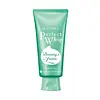
This salicylic acid foaming cleanser is formulated around Salicylic Acid to clear breakouts and unclog pores.
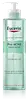
This salicylic acid gel cleanser is formulated around Salicylic Acid to clear breakouts and unclog pores.


What's inside
What's inside
 Key Ingredients
Benefits
Concerns
Ingredients Side-by-side
Water
Skin ConditioningStearic Acid
Cleansing



Myristic Acid
Cleansing

PEG-8
HumectantPotassium Hydroxide
BufferingLauric Acid
Cleansing
Glycerin
Humectant

Dipropylene Glycol
HumectantBeeswax
Emulsion Stabilising
Polyquaternium-7
PEG-90m
Emulsion StabilisingPEG/PPG-14/7 Dimethyl Ether
Skin ConditioningSodium Hyaluronate
Humectant


Sericin
Skin ConditioningSodium Acetylated Hyaluronate
Humectant
Chamomilla Recutita Flower Extract
Masking
Alcohol
Antimicrobial


Salicylic Acid
Masking






Disodium EDTA
ChelatingSodium Metabisulfite
Antioxidant
Butylene Glycol
Humectant
Citric Acid
Buffering
Potassium Sorbate
Preservative
Silica
Abrasive
BHT
Antioxidant
Sodium Benzoate
Masking
Parfum
Masking

CI 17200
Cosmetic ColorantCI 15985
Cosmetic ColorantCI 61570
Cosmetic ColorantWater, Stearic Acid, Myristic Acid, PEG-8, Potassium Hydroxide, Lauric Acid, Glycerin, Dipropylene Glycol, Beeswax, Polyquaternium-7, PEG-90m, PEG/PPG-14/7 Dimethyl Ether, Sodium Hyaluronate, Sericin, Sodium Acetylated Hyaluronate, Chamomilla Recutita Flower Extract, Alcohol, Salicylic Acid, Disodium EDTA, Sodium Metabisulfite, Butylene Glycol, Citric Acid, Potassium Sorbate, Silica, BHT, Sodium Benzoate, Parfum, CI 17200, CI 15985, CI 61570

Reviews
Ingredients Explained
These ingredients are found in both products.
Ingredients higher up in an ingredient list are typically present in a larger amount.
Citric Acid is an alpha hydroxy acid (AHA) naturally found in citrus fruits like oranges, lemons, and limes.
Like other AHAs, citric acid can exfoliate skin by breaking down the bonds that hold dead skin cells together. This helps reveal smoother and brighter skin underneath.
However, this exfoliating effect only happens at high concentrations (20%) which can be hard to find in cosmetic products.
Due to this, citric acid is usually included in small amounts as a pH adjuster. This helps keep products slightly more acidic and compatible with skin's natural pH.
In skincare formulas, citric acid can:
While it can provide some skin benefits, research shows lactic acid and glycolic acid are generally more effective and less irritating exfoliants.
Most citric acid used in skincare today is made by fermenting sugars (usually from molasses). This synthetic version is identical to the natural citrus form but easier to stabilize and use in formulations.
Rosacea skin has a lower threshold for acids generally, with 62.5% of rosacea subjects in one study reacting to lactic acid in a sting test. This is why we mark citric acid as a potential rosacea trigger.
However, this ingredient shows up as a pH adjuster or chelator at roughly 0.1-1% in many products. These low levels are unlikely to be an issue for rosacea skin and becomes a potential trigger at exfoliating concentrations (20%). Because everybody's skin is unique, we recommend a patch test if you are unsure.
Learn more about Citric AcidSalicylic Acid (also known as beta hydroxy acid or BHA) is a well-known ingredient for treating skin that struggles with acne and clogged pores. It exfoliates both the skin's surface and deep within the pores to help clear out buildup, control oil, and reduce inflammation.
Unlike AHAs (alpha hydroxy acids), salicylic acid is oil-soluble. This allows it to penetrate into pores which makes it especially effective for treating blackheads and preventing future breakouts.
Salicylic acid is also known for its soothing properties. It has a similar structure to aspirin and can calm inflamed or irritated skin, making it a good option for acne-prone skin that is also sensitive.
Concentrations of 0.5-2% are recognized by the U.S. FDA as an over-the-counter topical acne product.
It can cause irritation and/or dryness if one's skin already has a compromised moisture barrier, so it's best to focus on repairing that before introducing this ingredient into your routine.
While salicylic acid does not increase sun sensitivity, it’s still important to wear sunscreen daily to protect your skin.
If you are looking for the ingredient called BHA or Butylated Hydroxyanisole, click here.
Learn more about Salicylic AcidSodium Benzoate is a preservative. It's used in both cosmetic and food products to inhibit the growth of mold and bacteria. It is typically produced synthetically.
Both the US FDA and EU Health Committee have approved the use of sodium benzoate. In the US, levels of 0.1% (of the total product) are allowed.
Sodium benzoate works as a preservative by inhibiting the growth of bacteria inside of cells. It prevents the cell from fermenting a type of sugar using an enzyme called phosphofructokinase.
It is the salt of benzoic acid. Foods containing sodium benzoate include soda, salad dressings, condiments, fruit juices, wines, and snack foods.
Studies for using ascorbic acid and sodium benzoate in cosmetics are lacking, especially in skincare routines with multiple steps.
We always recommend speaking with a professional, such as a dermatologist, if you have any concerns.
Learn more about Sodium BenzoateWater. It's the most common cosmetic ingredient of all. You'll usually see it at the top of ingredient lists, meaning that it makes up the largest part of the product.
So why is it so popular? Water most often acts as a solvent - this means that it helps dissolve other ingredients into the formulation.
You'll also recognize water as that liquid we all need to stay alive. If you see this, drink a glass of water. Remember to stay hydrated!
Learn more about Water

