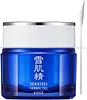
This hydrating overnight mask is formulated around Hydrogenated Lecithin to hydrate skin and strengthen the skin barrier.
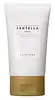
This barrier-repair moisturizer is formulated around Niacinamide and Panthenol to strengthen the skin barrier and calm redness.


What's inside
What's inside
 Key Ingredients
Benefits
Concerns
Ingredients Side-by-side
Water
Skin ConditioningGlycerin
Humectant


Butylene Glycol
Humectant
Cetyl Ethylhexanoate
EmollientAlcohol
Antimicrobial




Dipentaerythrityl Hexahydroxystearate/Hexastearate/Hexarosinate
Skin ConditioningHydrogenated Lecithin
Emulsifying
Dimethicone
Emollient
Angelica Acutiloba Root Extract
Skin ConditioningArtemisia Princeps Leaf Extract
Skin ConditioningEriobotrya Japonica Leaf Extract
Skin ConditioningMelothria Heterophylla Root Extract
Skin ConditioningSaccharomyces/Coix Lacryma-Jobi Ma-Yuen Seed Ferment Filtrate
Skin Conditioning
Tocopherol
Antioxidant





Acrylates/C10-30 Alkyl Acrylate Crosspolymer
Emulsion StabilisingCarbomer
Emulsion StabilisingCholesterol
Emollient
Disodium EDTA
ChelatingPEG-400
Emulsion StabilisingPhytosteryl Macadamiate
Skin Conditioning
Pvp
Emulsion StabilisingSodium Hydroxide
BufferingParfum
Masking

Water, Glycerin, Butylene Glycol, Cetyl Ethylhexanoate, Alcohol, Dipentaerythrityl Hexahydroxystearate/Hexastearate/Hexarosinate, Hydrogenated Lecithin, Dimethicone, Angelica Acutiloba Root Extract, Artemisia Princeps Leaf Extract, Eriobotrya Japonica Leaf Extract, Melothria Heterophylla Root Extract, Saccharomyces/Coix Lacryma-Jobi Ma-Yuen Seed Ferment Filtrate, Tocopherol, Acrylates/C10-30 Alkyl Acrylate Crosspolymer, Carbomer, Cholesterol, Disodium EDTA, PEG-400, Phytosteryl Macadamiate, Pvp, Sodium Hydroxide, Parfum
Cetyl Ethylhexanoate
EmollientGlycerin
Humectant
Pentylene Glycol
Skin Conditioning
Hydrogenated Lecithin
Emulsifying
Niacinamide
Smoothing





Macadamia Ternifolia Seed Oil
Emollient
PEG-50 Shea Butter
Emulsifying
Limnanthes Alba Seed Oil
Skin Conditioning
Squalane
Emollient
Carbomer
Emulsion Stabilising1,2-Hexanediol
Skin Conditioning
Tromethamine
BufferingPanthenol
Skin Conditioning
Sodium Carbomer
Emulsion StabilisingErythritol
Humectant
Trehalose
Humectant
Betaine
Humectant
Butylene Glycol
Humectant
Caprylhydroxamic Acid
ChelatingCaprylic/Capric Triglyceride
Masking
Adenosine
Skin Conditioning
Lavandula Spica Flower Oil
Masking
Xanthan Gum
EmulsifyingOzonized Olive Oil
Skin Conditioning
Hydroxyethylcellulose
Emulsion StabilisingOrange Roughy Oil
Skin Conditioning
Madecassoside
Antioxidant
Biosaccharide Gum-1
Humectant
Asiaticoside
Antioxidant
Malt Extract
Skin ProtectingAsiatic Acid
Skin Conditioning
Butter Extract
Emollient
Glycyrrhiza Glabra Leaf Extract
Skin ConditioningCeramide AP
Skin Conditioning
Chamomilla Recutita Flower Extract
Masking
Linoleic Acid
Cleansing
Ethylhexylglycerin
Skin ConditioningSodium Hyaluronate
Humectant
Linolenic Acid
Cleansing
Cetyl Ethylhexanoate, Glycerin, Pentylene Glycol, Hydrogenated Lecithin, Niacinamide, Macadamia Ternifolia Seed Oil, PEG-50 Shea Butter, Limnanthes Alba Seed Oil, Squalane, Carbomer, 1,2-Hexanediol, Tromethamine, Panthenol, Sodium Carbomer, Erythritol, Trehalose, Betaine, Butylene Glycol, Caprylhydroxamic Acid, Caprylic/Capric Triglyceride, Adenosine, Lavandula Spica Flower Oil, Xanthan Gum, Ozonized Olive Oil, Hydroxyethylcellulose, Orange Roughy Oil, Madecassoside, Biosaccharide Gum-1, Asiaticoside, Malt Extract, Asiatic Acid, Butter Extract, Glycyrrhiza Glabra Leaf Extract, Ceramide AP, Chamomilla Recutita Flower Extract, Linoleic Acid, Ethylhexylglycerin, Sodium Hyaluronate, Linolenic Acid
Reviews
Ingredients Explained
These ingredients are found in both products.
Ingredients higher up in an ingredient list are typically present in a larger amount.
Butylene Glycol (or BG) is used within cosmetic products for a few different reasons:
Overall, Butylene Glycol is a safe and well-rounded ingredient that works well with other ingredients.
Though this ingredient works well with most skin types, some people with sensitive skin may experience a reaction such as allergic rashes, closed comedones, or itchiness.
Learn more about Butylene GlycolCarbomer is a synthetic thickening and gelling agent. It's basically the ingredient that gives a lot of serums, gels, creams, and sunscreens their smooth, non-sticky texture.
Although legally permitted at very high levels, carbomers are normally used at concentrations below 1%.
It also needs to be neutralized to actually thicken, and because it is a large molecule, it doesn't really penetrate the skin barrier.
Allergy-wise, the risk is very low. Clinical studies show carbomers have low potential for skin irritation/sensitization even at concentrations up to 100%.
A 2024 UK study patch-tested 1,302 patients and found true allergy to the parent group of carbomer to be rare with no confirmed relevant reactions.
Learn more about CarbomerCetyl Ethylhexanoate is an emollient ester. It comes from cetearyl alcohol and 2-ethylhexanoic acid.
Cetyl Ethylhexanoate is an emollient that adds a velvety feel to skin without being greasy or oily. Emollients help trap moisture into your skin, keeping your skin soft and hydrated.
Glycerin (or glycerol) is a compound naturally found in your skin. It's a powerhouse humectant that pulls water into the stratum corneum.
Topically, glycerin does several things at once:
Your skin makes glycerin on its own (mostly from sebaceous oil breakdown) and shuttles it to your outermost layer of skin, or your epidermis, via aquaporin-3.
Aquaporin-3 is a transporter that is essential for normal skin hydration, elasticity, and repair. Interestingly, mice lacking in AQP3 have dry and less elastic skin that can be fully corrected with glycerin.
This ingredient is non-irritating, plays well with almost every ingredient, and works across all skin types. Typical use is anywhere between 3-10% but can go up to 79% in some leave-on products.
Just know very high concentrations (>40%) can feel tacky in low humidity.
Glycerin is the name for this ingredient in American English. British English uses Glycerol/Glycerine.
Learn more about GlycerinHydrogenated Lecithin is a more stable version of lecithin.
It's made by taking lecithin (a phospholipid commonly found in soybeans and egg yolks) and hydrogenating it. This just means the unsaturated fatty acids are turned into saturated ones so they don't go bad as easily.
This ingredient is an emollient, emulsifier, and penetration enhancer. As an emollient, it helps soften and hydrate skin by trapping moisture within. As an emulsifier, it prevents oil and water ingredients from separating.
Hydrogenated Lecithin can form tiny spherical structures made of phospholipid bilayers called liposomes. These liposomes are able to capture compounds inside their structure and deliver them through the skin barrier.
Because phospholipids are a natural component of our cell membranes, this ingredient is inherently compatible with skin.
A 2021 study found lecithin-based surfactants were less harsh and more tolerable comared to Sodium Lauryl Sulfate (SLS).
Learn more about Hydrogenated Lecithin

