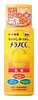
This brightening toner is formulated around Ascorbyl Glucoside and Dipotassium Glycyrrhizate to brighten dull-looking skin and fade the look of dark spots.
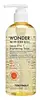
This brightening toner is formulated around Niacinamide and Sodium Ascorbyl Phosphate to brighten dull-looking skin and fade the look of dark spots.


What's inside
What's inside
 Key Ingredients
Benefits
Concerns
Ingredients Side-by-side
Ascorbyl Glucoside
Antioxidant




Dipotassium Glycyrrhizate
Humectant

Ascorbic Acid
Antioxidant

Citrus Limon Fruit Extract
Masking
Citrus Grandis Fruit Extract
Astringent
Alpinia Zerumbet Seed Extract
Antimicrobial
Glycerin
Humectant

Butylene Glycol
Humectant
Pentylene Glycol
Skin Conditioning
Isopentyldiol
Humectant
Tricaprylin
Perfuming
Sorbitan Stearate
Emulsifying

Cetearyl Alcohol
Emollient




Polysorbate 60
Emulsifying
Beheneth-5
EmulsifyingParaffinum Liquidum
Emollient
Dimethicone
Emollient
Potassium Hydroxide
BufferingPhenoxyethanol
Preservative
Behenyl Alcohol
Emollient
Sodium Citrate
BufferingAcrylates/C10-30 Alkyl Acrylate Crosspolymer
Emulsion StabilisingXanthan Gum
EmulsifyingEDTA
ChelatingHydroxyethylcellulose
Emulsion StabilisingCitric Acid
Buffering
Water
Skin ConditioningParfum
Masking
Ascorbyl Glucoside, Dipotassium Glycyrrhizate, Ascorbic Acid, Citrus Limon Fruit Extract, Citrus Grandis Fruit Extract, Alpinia Zerumbet Seed Extract, Glycerin, Butylene Glycol, Pentylene Glycol, Isopentyldiol, Tricaprylin, Sorbitan Stearate, Cetearyl Alcohol, Polysorbate 60, Beheneth-5, Paraffinum Liquidum, Dimethicone, Potassium Hydroxide, Phenoxyethanol, Behenyl Alcohol, Sodium Citrate, Acrylates/C10-30 Alkyl Acrylate Crosspolymer, Xanthan Gum, EDTA, Hydroxyethylcellulose, Citric Acid, Water, Parfum
Water
Skin ConditioningMethylpropanediol
SolventNiacinamide
Smoothing



Butylene Glycol
Humectant
Isopentyldiol
Humectant
1,2-Hexanediol
Skin Conditioning
Diethoxyethyl Succinate
SolventHydroxyacetophenone
Antioxidant
Polyglyceryl-10 Laurate
Skin Conditioning
Propanediol
Solvent
Carbomer
Emulsion StabilisingEthylhexylglycerin
Skin ConditioningAllantoin
Skin Conditioning
Tromethamine
BufferingAdenosine
Skin Conditioning
Buteth-3
SolventXanthan Gum
EmulsifyingSodium Citrate
BufferingCitric Acid
Buffering
Hydrolyzed Jojoba Esters
Skin Conditioning
Sodium Benzotriazolyl Butylphenol Sulfonate
UV AbsorberLitsea Cubeba Fruit Oil
Masking
Tributyl Citrate
SolventTocopherol
Antioxidant
Hippophae Rhamnoides Extract
MaskingHippophae Rhamnoides Fruit Extract
Skin Conditioning
Hippophae Rhamnoides Fruit Juice
Skin ConditioningHippophae Rhamnoides Water
Masking
Citrus Limon Peel Water
Skin ConditioningCitrus Limon Fruit Extract
Masking
Citrus Limon Fruit Water
MaskingOlea Europaea Fruit Oil
Masking
Citrus Aurantium Dulcis Peel Oil
Masking
Citrus Aurantium Bergamia Fruit Oil
Masking
Copaifera Officinalis Resin
MaskingCymbopogon Martini Oil
Masking
Pelargonium Graveolens Flower Oil
Masking
Salvia Sclarea Oil
Masking
Sodium Ascorbyl Phosphate
Antioxidant
Disodium EDTA
ChelatingCitral
Perfuming
Water, Methylpropanediol, Niacinamide, Butylene Glycol, Isopentyldiol, 1,2-Hexanediol, Diethoxyethyl Succinate, Hydroxyacetophenone, Polyglyceryl-10 Laurate, Propanediol, Carbomer, Ethylhexylglycerin, Allantoin, Tromethamine, Adenosine, Buteth-3, Xanthan Gum, Sodium Citrate, Citric Acid, Hydrolyzed Jojoba Esters, Sodium Benzotriazolyl Butylphenol Sulfonate, Litsea Cubeba Fruit Oil, Tributyl Citrate, Tocopherol, Hippophae Rhamnoides Extract, Hippophae Rhamnoides Fruit Extract, Hippophae Rhamnoides Fruit Juice, Hippophae Rhamnoides Water, Citrus Limon Peel Water, Citrus Limon Fruit Extract, Citrus Limon Fruit Water, Olea Europaea Fruit Oil, Citrus Aurantium Dulcis Peel Oil, Citrus Aurantium Bergamia Fruit Oil, Copaifera Officinalis Resin, Cymbopogon Martini Oil, Pelargonium Graveolens Flower Oil, Salvia Sclarea Oil, Sodium Ascorbyl Phosphate, Disodium EDTA, Citral
Reviews
Ingredients Explained
These ingredients are found in both products.
Ingredients higher up in an ingredient list are typically present in a larger amount.
Butylene Glycol (or BG) is used within cosmetic products for a few different reasons:
Overall, Butylene Glycol is a safe and well-rounded ingredient that works well with other ingredients.
Though this ingredient works well with most skin types, some people with sensitive skin may experience a reaction such as allergic rashes, closed comedones, or itchiness.
Learn more about Butylene GlycolCitric Acid is an alpha hydroxy acid (AHA) naturally found in citrus fruits like oranges, lemons, and limes.
Like other AHAs, citric acid can exfoliate skin by breaking down the bonds that hold dead skin cells together. This helps reveal smoother and brighter skin underneath.
However, this exfoliating effect only happens at high concentrations (20%) which can be hard to find in cosmetic products.
Due to this, citric acid is usually included in small amounts as a pH adjuster. This helps keep products slightly more acidic and compatible with skin's natural pH.
In skincare formulas, citric acid can:
While it can provide some skin benefits, research shows lactic acid and glycolic acid are generally more effective and less irritating exfoliants.
Most citric acid used in skincare today is made by fermenting sugars (usually from molasses). This synthetic version is identical to the natural citrus form but easier to stabilize and use in formulations.
Rosacea skin has a lower threshold for acids generally, with 62.5% of rosacea subjects in one study reacting to lactic acid in a sting test. This is why we mark citric acid as a potential rosacea trigger.
However, this ingredient shows up as a pH adjuster or chelator at roughly 0.1-1% in many products. These low levels are unlikely to be an issue for rosacea skin and becomes a potential trigger at exfoliating concentrations (20%). Because everybody's skin is unique, we recommend a patch test if you are unsure.
Learn more about Citric AcidCitrus Limon Fruit Extract comes from lemons. While lemon extract is exfoliating and antimicrobial, it can also cause skin sensitivity.
Lemons contains antioxidants, which may help with anti-aging. They are also rich in citric acid, an AHA.
And of course, lemons are rich in Vitamin C. Vitamin C helps with skin-brightening and increasing collagen production.
The acidity of lemons may work as an astringent for acne.
However, lemons can also cause skin sensitivity due to its limonene content. It can also increase photosensitivity, or sensitivity to the sun.
This ingredient is also used to add a lemon scent to products.
Learn more about Citrus Limon Fruit ExtractIsopentyldiol is a synthetic solvent, humectant, and emollient.
Humectants have the ability to attract and hold water while emollients create a thin film to prevent water from evaporating. This combination keeps your skin and hair soft and hydrated. Plus, isopentyldiol does not leave a sticky feeling behind.
As a surfactant, isopentyldiol is a hydrotrope. Hydrotropes help surfactants (cleansing agents) dissolve into water.
According to the manufacturer, using this ingredient with sorbitol boosts skin hydration and helps close cuticles of damaged hair.
This ingredient is water-soluble.
Learn more about IsopentyldiolSodium Citrate is the sodium salts of citric acid. In skincare, it is used to alter pH levels and acts as a preservative.
Its main functions are to maintain the pH of a product and neutralize metal ions.
The acidity of our skin is maintained by our glands and skin biome; normal pH level of skin is slightly acidic (~4.75-5.5).
Being slightly acidic allows our skin to create an "acid mantle". This acid mantle is a thin barrier that protects our skin from bacteria and contaminants.
Learn more about Sodium CitrateWater. It's the most common cosmetic ingredient of all. You'll usually see it at the top of ingredient lists, meaning that it makes up the largest part of the product.
So why is it so popular? Water most often acts as a solvent - this means that it helps dissolve other ingredients into the formulation.
You'll also recognize water as that liquid we all need to stay alive. If you see this, drink a glass of water. Remember to stay hydrated!
Learn more about WaterXanthan gum is used as a stabilizer and thickener within cosmetic products. It helps give products a sticky, thick feeling - preventing them from being too runny.
On the technical side of things, xanthan gum is a polysaccharide - a combination consisting of multiple sugar molecules bonded together.
Xanthan gum is a pretty common and great ingredient. It is a natural, non-toxic, non-irritating ingredient that is also commonly used in food products.
Learn more about Xanthan Gum

