

What's inside
What's inside
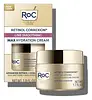 Key Ingredients
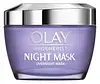
Benefits
Concerns
Ingredients Side-by-side
Water
Skin ConditioningPentaerythrityl Tetraethylhexanoate
Emollient
Glycerin
Humectant

PPG-15 Stearyl Ether
EmollientDimethicone
Emollient
Butylene Glycol
Humectant
Dimethicone Crosspolymer
Emulsion Stabilising
Caprylyl Glycol
Emollient
Glyceryl Behenate
Emollient
Retinol
Skin Conditioning








Sodium Hyaluronate
Humectant

Ascorbic Acid
Antioxidant

Ascorbyl Palmitate
Antioxidant
Hydrolyzed Myrtus Communis Leaf Extract
Skin ProtectingTocopherol
Antioxidant
Stearyl Alcohol
Emollient
Isododecane
EmollientCetearyl Alcohol
Emollient


Polysorbate 20
Emulsifying
Allyl Methacrylates Crosspolymer
Emulsion StabilisingBHT
Antioxidant
Ceteareth-20
CleansingSodium Acryloyldimethyltaurate/Vp Crosspolymer
Emulsion StabilisingPentylene Glycol
Skin Conditioning
Sodium Polyacrylate
Absorbent
Polyacrylamide
C13-14 Isoparaffin
Emollient
Laureth-7
EmulsifyingHydroxyphenyl Propamidobenzoic Acid
Skin ConditioningCaprylhydroxamic Acid
Disodium EDTA
Phenoxyethanol
Preservative
Ethylhexylglycerin
Skin ConditioningSodium Hydroxide
BufferingParfum
Masking


Water, Pentaerythrityl Tetraethylhexanoate, Glycerin, PPG-15 Stearyl Ether, Dimethicone, Butylene Glycol, Dimethicone Crosspolymer, Caprylyl Glycol, Glyceryl Behenate, Retinol, Sodium Hyaluronate, Ascorbic Acid, Ascorbyl Palmitate, Hydrolyzed Myrtus Communis Leaf Extract, Tocopherol, Stearyl Alcohol, Isododecane, Cetearyl Alcohol, Polysorbate 20, Allyl Methacrylates Crosspolymer, BHT, Ceteareth-20, Sodium Acryloyldimethyltaurate/Vp Crosspolymer, Pentylene Glycol, Sodium Polyacrylate, Polyacrylamide, C13-14 Isoparaffin, Laureth-7, Hydroxyphenyl Propamidobenzoic Acid, Caprylhydroxamic Acid, Disodium EDTA, Phenoxyethanol, Ethylhexylglycerin, Sodium Hydroxide, Parfum
Water
Skin ConditioningDimethicone
Emollient
Glycerin
Humectant
Niacinamide
Smoothing

PEG-Crosspolymer
Polymethylsilsesquioxane
Polyacrylamide
Polyethylene
Abrasive
Panthenol
Skin Conditioning
Palmitoyl Pentapeptide-4
Skin Conditioning
Tocopheryl Acetate
Antioxidant
Camellia Sinensis Leaf Extract
Antimicrobial
Allantoin
Skin Conditioning
Butylene Glycol
Humectant
Dimethiconol
Emollient
Laureth-4
Emulsifying
Laureth-7
EmulsifyingSodium PEG-7 Olive Oil Carboxylate
Emulsifying
PEG-30 Dipolyhydroxystearate
Emulsifying
Trideceth-6
EmulsifyingDisodium EDTA
Acrylates/C10-30 Alkyl Acrylate Crosspolymer
Emulsion StabilisingAminomethyl Propanol
BufferingPEG-100 Stearate
Surfactant
Ammonium Polyacrylate
StabilisingTitanium Dioxide
Cosmetic Colorant

C13-14 Alkane
SolventDMDM Hydantoin
Preservative
Benzyl Alcohol
Perfuming

Iodopropynyl Butylcarbamate
Preservative
Methylparaben
Preservative
Propylparaben
Preservative
Parfum
Masking
Caramel
Cosmetic ColorantWater, Dimethicone, Glycerin, Niacinamide, PEG-Crosspolymer, Polymethylsilsesquioxane, Polyacrylamide, Polyethylene, Panthenol, Palmitoyl Pentapeptide-4, Tocopheryl Acetate, Camellia Sinensis Leaf Extract, Allantoin, Butylene Glycol, Dimethiconol, Laureth-4, Laureth-7, Sodium PEG-7 Olive Oil Carboxylate, PEG-30 Dipolyhydroxystearate, Trideceth-6, Disodium EDTA, Acrylates/C10-30 Alkyl Acrylate Crosspolymer, Aminomethyl Propanol, PEG-100 Stearate, Ammonium Polyacrylate, Titanium Dioxide, C13-14 Alkane, DMDM Hydantoin, Benzyl Alcohol, Iodopropynyl Butylcarbamate, Methylparaben, Propylparaben, Parfum, Caramel
Reviews
Ingredients Explained
These ingredients are found in both products.
Ingredients higher up in an ingredient list are typically present in a larger amount.
Butylene Glycol (or BG) is used within cosmetic products for a few different reasons:
Overall, Butylene Glycol is a safe and well-rounded ingredient that works well with other ingredients.
Though this ingredient works well with most skin types, some people with sensitive skin may experience a reaction such as allergic rashes, closed comedones, or itchiness.
Learn more about Butylene GlycolDimethicone is a type of synthetic silicone created from natural materials such as quartz. It is also known as polydimethylsiloxane.
What it does:
Dimethicone comes in different viscosities:
Depending on the viscosity, dimethicone has different properties.
Ingredients lists don't always show which type is used, so we recommend reaching out to the brand if you have questions about the viscosity.
This ingredient is unlikely to cause irritation because it does not get absorbed into skin. However, people with silicone allergies should be careful about using this ingredient.
Note: Dimethicone may contribute to pilling. This is because it is not oil or water soluble, so pilling may occur when layered with products. When mixed with heavy oils in a formula, the outcome is also quite greasy.
Learn more about DimethiconeDisodium EDTA is a chelating agent. It grabs onto and deactivates metal ions that sneak into your products from water, packaging, or air.
This ingredient mainly works behind the scenes and helps with:
On top of that, this ingredient can counteract the effects of hard water by binding to the minerals in it.
One thing worth knowing is that Disodium EDTA has been shown to be a mild penetration enhancer. It can help other ingredients absorb into skin more effectively which can be a double-edged sword (great for actives, but can also make the active too strong if you have sensitive skin).
Clinical patch testing showed no significant skin irritation at typical use concentrations and minimal dermal absorption.
You'll most likely see this ingredient near the end of an ingredient list. It's typically found in concentrations less than 1%.
Learn more about Disodium EDTAGlycerin (or glycerol) is a compound naturally found in your skin. It's a powerhouse humectant that pulls water into the stratum corneum.
Topically, glycerin does several things at once:
Your skin makes glycerin on its own (mostly from sebaceous oil breakdown) and shuttles it to your outermost layer of skin, or your epidermis, via aquaporin-3.
Aquaporin-3 is a transporter that is essential for normal skin hydration, elasticity, and repair. Interestingly, mice lacking in AQP3 have dry and less elastic skin that can be fully corrected with glycerin.
This ingredient is non-irritating, plays well with almost every ingredient, and works across all skin types. Typical use is anywhere between 3-10% but can go up to 79% in some leave-on products.
Just know very high concentrations (>40%) can feel tacky in low humidity.
Glycerin is the name for this ingredient in American English. British English uses Glycerol/Glycerine.
Learn more about GlycerinLaureth-7 is created by the ethoxylation of lauryl alcohol using ethylene oxide. Lauryl alcohol is a fatty alcohol with hydrating properties.
This ingredient is an emulsifier and cleansing ingredient. As an emulsifier, it is used to prevent ingredients from separating. It also helps cleanse the skin by gathering dirt, oil, and pollutants to be rinsed away.
Parfum is a catch-all term for an ingredient or more that is used to give a scent to products.
Also called "fragrance", this ingredient can be a blend of hundreds of chemicals or plant oils. This means every product with "fragrance" or "parfum" in the ingredients list is a different mixture.
For instance, Habanolide is a proprietary trade name for a specific aroma chemical. When used as a fragrance ingredient in cosmetics, most aroma chemicals fall under the broad labeling category of “FRAGRANCE” or “PARFUM” according to EU and US regulations.
The term 'parfum' or 'fragrance' is not regulated in many countries. In many cases, it is up to the brand to define this term.
For instance, many brands choose to label themselves as "fragrance-free" because they are not using synthetic fragrances. However, their products may still contain ingredients such as essential oils that are considered a fragrance by INCI standards.
One example is Calendula flower extract. Calendula is an essential oil that still imparts a scent or 'fragrance'.
Depending on the blend, the ingredients in the mixture can cause allergies and sensitivities on the skin. Some ingredients that are known EU allergens include linalool and citronellol.
Parfum can also be used to mask or cover an unpleasant scent.
The bottom line is: not all fragrances/parfum/ingredients are created equally. If you are worried about fragrances, we recommend taking a closer look at an ingredient. And of course, we always recommend speaking with a professional.
Learn more about ParfumPolyacrylamide is a synthetic polymer. It is used to stabilize products and bind ingredients. When hydrated, Polyacrylamide forms a soft gel.
Polyacrylamide is low-toxicity. If source properly, it is deemed safe to use in cosmetics.
It should be noted the precursor to Polyacrylamide is acrylamide. Acrylamide is a carcinogen. Most reputable sources of Polyacrylamide will screen for residual acrylamide to make sure the count is in a safe range. Acrylamide is not able to be absorbed through the skin.
We recommend speaking with a professional if you have concerns.
Learn more about PolyacrylamideWater. It's the most common cosmetic ingredient of all. You'll usually see it at the top of ingredient lists, meaning that it makes up the largest part of the product.
So why is it so popular? Water most often acts as a solvent - this means that it helps dissolve other ingredients into the formulation.
You'll also recognize water as that liquid we all need to stay alive. If you see this, drink a glass of water. Remember to stay hydrated!
Learn more about Water
