

What's inside
What's inside
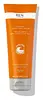 Key Ingredients
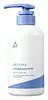
Benefits
Concerns
Ingredients Side-by-side
Water
Skin ConditioningButyrospermum Parkii Butter
Skin Conditioning






Lactic Acid
Buffering








Sodium Lactate
Buffering
Lactococcus Ferment Lysate
Skin Conditioning
Lysolecithin
EmulsifyingSclerotium Gum
Emulsion StabilisingXylitylglucoside
Humectant
Xanthan Gum
EmulsifyingAnhydroxylitol
Humectant
Pullulan
Parfum
Masking

Mannitol
Humectant
Xylitol
Humectant
Sodium Benzoate
Masking
Citrus Aurantium Dulcis Flower Oil
Astringent
Citrus Grandis Peel Oil
Masking

Citrus Nobilis Peel Oil
Masking
Citrus Tangerina Peel Oil
Masking
Tocopheryl Acetate
Antioxidant

Potassium Sorbate
Preservative
Faex Extract
Skin ConditioningGlucose
Humectant
Silica
Abrasive
Sodium Chloride
MaskingGlycogen
HumectantMagnesium Ascorbyl Phosphate
Antioxidant
Citric Acid
Buffering
Citral
Perfuming
Limonene
Perfuming
Linalool
Perfuming
Water, Butyrospermum Parkii Butter, Lactic Acid, Sodium Lactate, Lactococcus Ferment Lysate, Lysolecithin, Sclerotium Gum, Xylitylglucoside, Xanthan Gum, Anhydroxylitol, Pullulan, Parfum, Mannitol, Xylitol, Sodium Benzoate, Citrus Aurantium Dulcis Flower Oil, Citrus Grandis Peel Oil, Citrus Nobilis Peel Oil, Citrus Tangerina Peel Oil, Tocopheryl Acetate, Potassium Sorbate, Faex Extract, Glucose, Silica, Sodium Chloride, Glycogen, Magnesium Ascorbyl Phosphate, Citric Acid, Citral, Limonene, Linalool
Water
Skin ConditioningButylene Glycol
Humectant
Glycerin
Humectant
Propanediol
Solvent
Pentaerythrityl Tetraethylhexanoate
Emollient
Hydrogenated Poly(C6-14 Olefin)
Emollient1,2-Hexanediol
Skin Conditioning
Phenyl Trimethicone
Skin Conditioning
Bis-Hydroxyethoxypropyl Dimethicone
Emollient
Synthetic Wax
Abrasive
C14-22 Alcohols
Emulsion Stabilising
Squalane
Emollient
Cetearyl Alcohol
Emollient
Hydroxypropyl Starch Phosphate
Xanthan Gum
EmulsifyingGlyceryl Stearate
Emollient
Hydrogenated Lecithin
Emulsifying
Acrylates/C10-30 Alkyl Acrylate Crosspolymer
Emulsion StabilisingC12-20 Alkyl Glucoside
EmulsifyingAcetyl Glucosamine
Skin Conditioning
Stearic Acid
Cleansing
Glyceryl Stearate Citrate
Emollient
Hydrogenated Vegetable Oil
Emollient
Glyceryl Caprylate
EmollientTromethamine
BufferingPanthenol
Skin Conditioning
Polyglyceryl-10 Stearate
Skin Conditioning
Palmitic Acid
Emollient
Ethylhexylglycerin
Skin ConditioningDisodium EDTA
ChelatingGluconolactone
Chelating

Polyglyceryl-3 Methylglucose Distearate
Emulsifying
Carbomer
Emulsion StabilisingThymol Trimethoxycinnamate
Antioxidant
Cholesterol
Emollient
Ceramide NP
Skin Conditioning
Glucose
Humectant
Oenothera Biennis Oil
Emollient
Hydroxypropyl Bispalmitamide Mea
Emollient
Mannitol
Humectant
Myristic Acid
Cleansing
Lauric Acid
Cleansing
Tocopherol
Antioxidant
Copernicia Cerifera Wax Extract
Acrylates/Ammonium Methacrylate Copolymer
Silica
Abrasive
Arachidic Acid
Cleansing
Caesalpinia Sappan Stem Powder
Exfoliating
Oleic Acid
Emollient
Water, Butylene Glycol, Glycerin, Propanediol, Pentaerythrityl Tetraethylhexanoate, Hydrogenated Poly(C6-14 Olefin), 1,2-Hexanediol, Phenyl Trimethicone, Bis-Hydroxyethoxypropyl Dimethicone, Synthetic Wax, C14-22 Alcohols, Squalane, Cetearyl Alcohol, Hydroxypropyl Starch Phosphate, Xanthan Gum, Glyceryl Stearate, Hydrogenated Lecithin, Acrylates/C10-30 Alkyl Acrylate Crosspolymer, C12-20 Alkyl Glucoside, Acetyl Glucosamine, Stearic Acid, Glyceryl Stearate Citrate, Hydrogenated Vegetable Oil, Glyceryl Caprylate, Tromethamine, Panthenol, Polyglyceryl-10 Stearate, Palmitic Acid, Ethylhexylglycerin, Disodium EDTA, Gluconolactone, Polyglyceryl-3 Methylglucose Distearate, Carbomer, Thymol Trimethoxycinnamate, Cholesterol, Ceramide NP, Glucose, Oenothera Biennis Oil, Hydroxypropyl Bispalmitamide Mea, Mannitol, Myristic Acid, Lauric Acid, Tocopherol, Copernicia Cerifera Wax Extract, Acrylates/Ammonium Methacrylate Copolymer, Silica, Arachidic Acid, Caesalpinia Sappan Stem Powder, Oleic Acid
Reviews
Ingredients Explained
These ingredients are found in both products.
Ingredients higher up in an ingredient list are typically present in a larger amount.
Glucose is a simple sugar (a monosaccharide). In skincare, it is mostly a humectant and skin conditioning agent.
Mechanistically, it has multiple hydroxyl groups that hydrogen-bond to water. This pulls moisture into the upper layers of skin to keep the surface soft and hydrated.
It's worth knowing sugars are already a natural component of the skin's NMF (natural moisturizing factor) so it's a molecule that your stratum corneum is well-acquainted with.
Just so you know, glucose is hydrophilic (water-loving) and the stratum corneum is a strong barrier to hydrophilic compounds. This just means penetration is slow and most of the action is happening on the surface.
Gram-to-gram, glucose is not as efficient as a humectant as glycerin. This is why you'll likely see glycose paired with stronger humectants for a bigger hydration payoff.
In skincare, glucose is typically derived from corn or other starch sources.
Learn more about GlucoseMannitol is a sugar alcohol. It is a humectant and moisturizes the skin. In vitro (not tested on a living organism), mannitol displays antioxidant properties.
When found in aqueous solutions, mannitol tends to become acidic. This is because it loses a hydrogen ion. This is why mannitol can often be found with pH adjusting ingredients, such as sodium bicarbonate.
Fun fact: Mannitol can be found in foods as a sweetener. It can be naturally found in mushrooms, algae, fruits, and veggies.
Learn more about MannitolSilica, also known as silicon dioxide, is a naturally occurring mineral. It is used as a fine, spherical, and porous powder in cosmetics.
Though it has exfoliant properties, the function of silica varies depending on the product.
The unique structure of silica enhances the spreadability and adds smoothness, making it a great texture enhancer.
It is also used as an active carrier, emulsifier, and mattifier due to its ability to absorb excess oil.
In some products, tiny microneedles called spicules are made from silica or hydrolyzed sponge. When you rub them in, they lightly polish away dead skin layers and enhance the penetration of active ingredients.
Learn more about SilicaWater. It's the most common cosmetic ingredient of all. You'll usually see it at the top of ingredient lists, meaning that it makes up the largest part of the product.
So why is it so popular? Water most often acts as a solvent - this means that it helps dissolve other ingredients into the formulation.
You'll also recognize water as that liquid we all need to stay alive. If you see this, drink a glass of water. Remember to stay hydrated!
Learn more about WaterXanthan gum is used as a stabilizer and thickener within cosmetic products. It helps give products a sticky, thick feeling - preventing them from being too runny.
On the technical side of things, xanthan gum is a polysaccharide - a combination consisting of multiple sugar molecules bonded together.
Xanthan gum is a pretty common and great ingredient. It is a natural, non-toxic, non-irritating ingredient that is also commonly used in food products.
Learn more about Xanthan Gum

