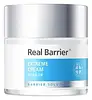
This barrier-repair moisturizer is formulated around Panthenol and Madecassoside to strengthen the skin barrier and hydrate skin.
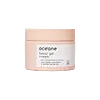
This barrier-repair moisturizer is formulated around Niacinamide and Sodium Hyaluronate to strengthen the skin barrier and hydrate skin.


What's inside
What's inside
 Key Ingredients
Benefits
Concerns
Ingredients Side-by-side
Water
Skin ConditioningCaprylic/Capric Triglyceride
Masking


Butylene Glycol
Humectant
Glycerin
Humectant
Cetearyl Alcohol
Emollient





Propanediol
Solvent
Panthenol
Skin Conditioning

Myristoyl/Palmitoyl Oxostearamide/Arachamide Mea
Skin ConditioningGlyceryl Stearate
Emollient
Polyglyceryl-10 Distearate
Emulsifying
Dimethicone
Emollient
Sorbitan Stearate
Emulsifying
Viscum Album Fruit Extract
Soothing1,2-Hexanediol
Skin Conditioning
Limnanthes Alba Seed Oil
Skin Conditioning
Olea Europaea Fruit Oil
Masking
Hydrogenated Vegetable Oil
Emollient
Xylitylglucoside
Humectant
Anhydroxylitol
Humectant
Xylitol
Humectant
Glucose
Humectant
Tocopheryl Acetate
Antioxidant


Phytosterols
Skin Conditioning
Phospholipids
Skin Conditioning
Dihydroxyisopropyl Palmoylpalmamide
HumectantBis-Capryloyloxypalmitamido Isopropanol
EmollientAllantoin
Skin Conditioning
Acetyl Heptapeptide-4
Humectant


Helianthus Annuus Seed Oil
Emollient
Salvia Officinalis Oil
Masking
Pogostemon Cablin Leaf Oil
Masking

Elettaria Cardamomum Seed Oil
Masking
Mentha Arvensis Leaf Oil
Masking
Chamomilla Recutita Flower Oil
Masking
Juniperus Mexicana Oil
Masking
Biosaccharide Gum-1
Humectant
Sodium Hyaluronate
Humectant
Acetyl Dipeptide-1 Cetyl Ester
Skin Conditioning
Madecassoside
Antioxidant
Stearic Acid
Cleansing
Carbomer
Emulsion StabilisingCaprylyl Glycol
Emollient
Water, Caprylic/Capric Triglyceride, Butylene Glycol, Glycerin, Cetearyl Alcohol, Propanediol, Panthenol, Myristoyl/Palmitoyl Oxostearamide/Arachamide Mea, Glyceryl Stearate, Polyglyceryl-10 Distearate, Dimethicone, Sorbitan Stearate, Viscum Album Fruit Extract, 1,2-Hexanediol, Limnanthes Alba Seed Oil, Olea Europaea Fruit Oil, Hydrogenated Vegetable Oil, Xylitylglucoside, Anhydroxylitol, Xylitol, Glucose, Tocopheryl Acetate, Phytosterols, Phospholipids, Dihydroxyisopropyl Palmoylpalmamide, Bis-Capryloyloxypalmitamido Isopropanol, Allantoin, Acetyl Heptapeptide-4, Helianthus Annuus Seed Oil, Salvia Officinalis Oil, Pogostemon Cablin Leaf Oil, Elettaria Cardamomum Seed Oil, Mentha Arvensis Leaf Oil, Chamomilla Recutita Flower Oil, Juniperus Mexicana Oil, Biosaccharide Gum-1, Sodium Hyaluronate, Acetyl Dipeptide-1 Cetyl Ester, Madecassoside, Stearic Acid, Carbomer, Caprylyl Glycol
Water
Skin ConditioningGlycerin
Humectant
Dimethicone
Emollient
Niacinamide
Smoothing



Cetyl Ethylhexanoate
EmollientSodium Hyaluronate
Humectant
Panthenol
Skin Conditioning
Pearl Extract
Antioxidant
Salmon Egg Extract
Honey Extract
Humectant
Prunus Persica Fruit Extract
Abrasive
Imperata Cylindrica Root Extract
Skin ConditioningPrunus Serrulata Flower Extract
Skin ConditioningAdenosine
Skin Conditioning
Trehalose
Humectant
Cetearyl Olivate
Sorbitan Olivate
Emulsifying
Acrylates/C10-30 Alkyl Acrylate Crosspolymer
Emulsion StabilisingArginine
Masking
Polyacrylate-13
Polyisobutene
Polysorbate 20
Emulsifying
Sorbitan Isostearate
Emulsifying
Benzophenone-5
UV Absorber
CI 19140
Cosmetic ColorantCI 17200
Cosmetic ColorantPhenoxyethanol
Preservative
Chlorphenesin
Antimicrobial
1,2-Hexanediol
Skin Conditioning
Propanediol
Solvent
Caprylyl Glycol
Emollient
Illicium Verum Fruit Extract
Perfuming
Disodium EDTA
ChelatingParfum
Masking
Geraniol
Perfuming
Butylphenyl Methylpropional
Perfuming
Linalool
Perfuming
Citronellol
Perfuming
Limonene
Perfuming
Water, Glycerin, Dimethicone, Niacinamide, Cetyl Ethylhexanoate, Sodium Hyaluronate, Panthenol, Pearl Extract, Salmon Egg Extract, Honey Extract, Prunus Persica Fruit Extract, Imperata Cylindrica Root Extract, Prunus Serrulata Flower Extract, Adenosine, Trehalose, Cetearyl Olivate, Sorbitan Olivate, Acrylates/C10-30 Alkyl Acrylate Crosspolymer, Arginine, Polyacrylate-13, Polyisobutene, Polysorbate 20, Sorbitan Isostearate, Benzophenone-5, CI 19140, CI 17200, Phenoxyethanol, Chlorphenesin, 1,2-Hexanediol, Propanediol, Caprylyl Glycol, Illicium Verum Fruit Extract, Disodium EDTA, Parfum, Geraniol, Butylphenyl Methylpropional, Linalool, Citronellol, Limonene
Reviews
Ingredients Explained
These ingredients are found in both products.
Ingredients higher up in an ingredient list are typically present in a larger amount.
1,2-Hexanediol is a synthetic liquid and another multi-functional powerhouse.
It is a:
- Humectant, drawing moisture into the skin
- Emollient, helping to soften skin
- Solvent, dispersing and stabilizing formulas
- Preservative booster, enhancing the antimicrobial activity of other preservatives
Caprylyl Glycol is a humectant, skin conditioner, emollient, and preservative booster derived from either caprylic acid or synthetically created.
Typical use levels vary from 0.3-1% as a preservative booster and go up to 2% to condition skin.
Because it is not a free-fatty acid, this ingredient is fungal acne safe (there's nothing for Malassezia to feed on).
Learn more about Caprylyl GlycolDimethicone is a type of synthetic silicone created from natural materials such as quartz. It is also known as polydimethylsiloxane.
What it does:
Dimethicone comes in different viscosities:
Depending on the viscosity, dimethicone has different properties.
Ingredients lists don't always show which type is used, so we recommend reaching out to the brand if you have questions about the viscosity.
This ingredient is unlikely to cause irritation because it does not get absorbed into skin. However, people with silicone allergies should be careful about using this ingredient.
Note: Dimethicone may contribute to pilling. This is because it is not oil or water soluble, so pilling may occur when layered with products. When mixed with heavy oils in a formula, the outcome is also quite greasy.
Learn more about DimethiconeGlycerin (or glycerol) is a compound naturally found in your skin. It's a powerhouse humectant that pulls water into the stratum corneum.
Topically, glycerin does several things at once:
Your skin makes glycerin on its own (mostly from sebaceous oil breakdown) and shuttles it to your outermost layer of skin, or your epidermis, via aquaporin-3.
Aquaporin-3 is a transporter that is essential for normal skin hydration, elasticity, and repair. Interestingly, mice lacking in AQP3 have dry and less elastic skin that can be fully corrected with glycerin.
This ingredient is non-irritating, plays well with almost every ingredient, and works across all skin types. Typical use is anywhere between 3-10% but can go up to 79% in some leave-on products.
Just know very high concentrations (>40%) can feel tacky in low humidity.
Glycerin is the name for this ingredient in American English. British English uses Glycerol/Glycerine.
Learn more about GlycerinPanthenol is a common ingredient that helps hydrate and soothe the skin. It is found naturally in our skin and hair.
There are two forms of panthenol: D and L.
D-panthenol is also known as dexpanthenol. Most cosmetics use dexpanthenol or a mixture of D and L-panthenol.
Panthenol is famous due to its ability to go deeper into the skin's layers. Using this ingredient has numerous pros (and no cons):
Like hyaluronic acid, panthenol is a humectant. Humectants are able to bind and hold large amounts of water to keep skin hydrated.
This ingredient works well for wound healing. It works by increasing tissue in the wound and helps close open wounds.
Once oxidized, panthenol converts to pantothenic acid. Panthothenic acid is found in all living cells.
This ingredient is also referred to as pro-vitamin B5.
Learn more about PanthenolPropanediol is an all-star ingredient. It softens, hydrates, and smooths the skin.
It’s often used to:
Propanediol is not likely to cause sensitivity and considered safe to use. It is derived from corn or petroleum with a clear color and no scent.
Learn more about PropanediolSodium Hyaluronate is the salt form of hyaluronic acid. It is a long sugar chain that is naturally found in your skin, joints, and connective tissue that maintains hydration and elasticity.
In skincare, it works as a humectant. It pulls water from the environment and deeper layers of skin and binds it to the surface.
Interestingly, the size of the molecule affects its behavior:
Some clinical evidence links low molecular weight versions to improved wrinkle depth, elasticity, anti-inflammatory effects, and barrier repair.
Many serums use a blend of both weights so you can get surface hydration plus longer-lasting and deeper effects.
You'll typically see concentrations between 0.1-2% for this ingredient.
Learn more about Sodium HyaluronateWater. It's the most common cosmetic ingredient of all. You'll usually see it at the top of ingredient lists, meaning that it makes up the largest part of the product.
So why is it so popular? Water most often acts as a solvent - this means that it helps dissolve other ingredients into the formulation.
You'll also recognize water as that liquid we all need to stay alive. If you see this, drink a glass of water. Remember to stay hydrated!
Learn more about Water

