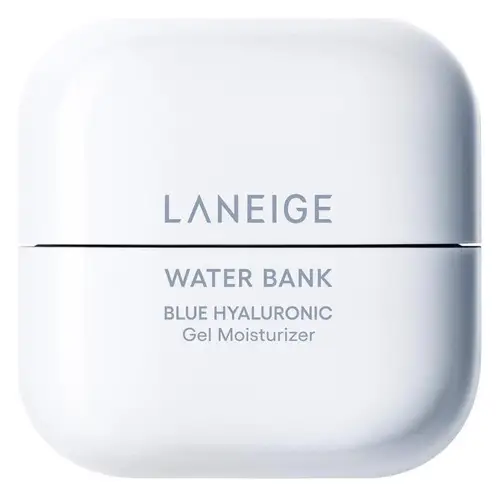
This calming moisturizer is formulated around Anthemis Nobilis Flower Extract and Panthenol to calm redness and hydrate skin.
This brightening day moisturizer is formulated around Olea Europaea Fruit Oil and Hippophae Rhamnoides Fruit Extract to brighten dull-looking skin and hydrate skin.


What's inside
What's inside
 Key Ingredients
Benefits
Concerns
Ingredients Side-by-side
Water
Skin ConditioningPropanediol
Solvent

Isohexadecane
EmollientCaprylic/Capric Triglyceride
Masking
Glycerin
Humectant
Isododecane
Emollient1,2-Hexanediol
Skin Conditioning
Anthemis Nobilis Flower Extract
Masking


Arginine
Masking
Polyglycerin-3
Humectant
Panthenol
Skin Conditioning
Dimethicone
Emollient
Tanacetum Annuum Flower Oil
Masking
Carbomer
Emulsion StabilisingC13-15 Alkane
SolventCaprylyl Glycol
Emollient
Glyceryl Glucoside
Humectant
Erythritol
Humectant
Acrylates/C10-30 Alkyl Acrylate Crosspolymer
Emulsion StabilisingGlyceryl Acrylate/Acrylic Acid Copolymer
HumectantAzulene
Skin Conditioning
Citrus Aurantium Bergamia Fruit Oil
Masking

Thymus Mastichina Flower Oil
Skin Conditioning
Pentylene Glycol
Skin Conditioning
Litsea Cubeba Fruit Oil
Masking
Xanthan Gum
EmulsifyingSclerotium Gum
Emulsion StabilisingSodium Phytate
ChelatingSodium Hyaluronate
Humectant

Xylitol
Humectant
Sodium Hyaluronate Crosspolymer
Humectant
Hydrolyzed Hyaluronic Acid
Humectant
Melia Azadirachta Leaf Extract
Skin ConditioningMelia Azadirachta Flower Extract
Skin ConditioningHyaluronic Acid
Humectant
Hydroxypropyltrimonium Hyaluronate
Sodium Acetylated Hyaluronate
Humectant
Coccinia Indica Fruit Extract
Skin Conditioning
Beta-Glucan
Skin Conditioning
Myristoyl/Palmitoyl Oxostearamide/Arachamide Mea
Skin ConditioningPhytosterols
Skin Conditioning
Linoleic Acid
Cleansing


Solanum Melongena Fruit Extract
Skin ConditioningAloe Barbadensis Flower Extract
EmollientHydrolyzed Sodium Hyaluronate
Skin Conditioning
Ocimum Sanctum Leaf Extract
Skin ConditioningCorallina Officinalis Extract
Skin Conditioning

Curcuma Longa Root Extract
Antioxidant
Citral
Perfuming
Linalool
Perfuming
Limonene
Perfuming
Water, Propanediol, Isohexadecane, Caprylic/Capric Triglyceride, Glycerin, Isododecane, 1,2-Hexanediol, Anthemis Nobilis Flower Extract, Arginine, Polyglycerin-3, Panthenol, Dimethicone, Tanacetum Annuum Flower Oil, Carbomer, C13-15 Alkane, Caprylyl Glycol, Glyceryl Glucoside, Erythritol, Acrylates/C10-30 Alkyl Acrylate Crosspolymer, Glyceryl Acrylate/Acrylic Acid Copolymer, Azulene, Citrus Aurantium Bergamia Fruit Oil, Thymus Mastichina Flower Oil, Pentylene Glycol, Litsea Cubeba Fruit Oil, Xanthan Gum, Sclerotium Gum, Sodium Phytate, Sodium Hyaluronate, Xylitol, Sodium Hyaluronate Crosspolymer, Hydrolyzed Hyaluronic Acid, Melia Azadirachta Leaf Extract, Melia Azadirachta Flower Extract, Hyaluronic Acid, Hydroxypropyltrimonium Hyaluronate, Sodium Acetylated Hyaluronate, Coccinia Indica Fruit Extract, Beta-Glucan, Myristoyl/Palmitoyl Oxostearamide/Arachamide Mea, Phytosterols, Linoleic Acid, Solanum Melongena Fruit Extract, Aloe Barbadensis Flower Extract, Hydrolyzed Sodium Hyaluronate, Ocimum Sanctum Leaf Extract, Corallina Officinalis Extract, Curcuma Longa Root Extract, Citral, Linalool, Limonene
Water
Skin ConditioningOlea Europaea Fruit Oil
Masking
Alcohol
Antimicrobial

Isopropyl Palmitate
Emollient
Glycerin
Humectant
Polyglyceryl-6 Distearate
Emulsifying
Dicaprylyl Carbonate
EmollientHippophae Rhamnoides Fruit Extract
Skin Conditioning
Microcrystalline Cellulose
AbsorbentJojoba Esters
Emollient
Sorbus Aucuparia Fruit Extract
Skin ConditioningDiheptyl Succinate
EmollientAroma

Parfum
Masking
Cetyl Alcohol
Emollient
Polyglyceryl-3 Beeswax
Emulsifying
Xanthan Gum
EmulsifyingCellulose Gum
Emulsion StabilisingCucurbita Pepo Fruit Extract
Skin Conditioning
Pyrus Cydonia Fruit Extract
Skin ConditioningRibes Rubrum Fruit Extract
TonicRubus Chamaemorus Fruit Extract
Antioxidant
Rubus Idaeus Fruit Extract
AstringentVaccinium Macrocarpon Fruit Extract
AstringentAscorbyl Palmitate
Antioxidant

Tocopherol
Antioxidant
Capryloyl Glycerin/Sebacic Acid Copolymer
Skin ConditioningCI 77492
Cosmetic ColorantSodium Phytate
ChelatingSodium Hyaluronate
Humectant
CI 77491
Cosmetic ColorantVanillin
Masking
Lactic Acid
Buffering



Limonene
Perfuming
Citral
Perfuming
Linalool
Perfuming
Geraniol
Perfuming
Water, Olea Europaea Fruit Oil, Alcohol, Isopropyl Palmitate, Glycerin, Polyglyceryl-6 Distearate, Dicaprylyl Carbonate, Hippophae Rhamnoides Fruit Extract, Microcrystalline Cellulose, Jojoba Esters, Sorbus Aucuparia Fruit Extract, Diheptyl Succinate, Aroma, Parfum, Cetyl Alcohol, Polyglyceryl-3 Beeswax, Xanthan Gum, Cellulose Gum, Cucurbita Pepo Fruit Extract, Pyrus Cydonia Fruit Extract, Ribes Rubrum Fruit Extract, Rubus Chamaemorus Fruit Extract, Rubus Idaeus Fruit Extract, Vaccinium Macrocarpon Fruit Extract, Ascorbyl Palmitate, Tocopherol, Capryloyl Glycerin/Sebacic Acid Copolymer, CI 77492, Sodium Phytate, Sodium Hyaluronate, CI 77491, Vanillin, Lactic Acid, Limonene, Citral, Linalool, Geraniol
Ingredients Explained
These ingredients are found in both products.
Ingredients higher up in an ingredient list are typically present in a larger amount.
Citral is the molecule responsible for the fresh lemon scent in lemon, lime, and lemongrass. It is a fragrance ingredient that can be created from plant essential oils or synthetically.
Though Citral has documented antimicrobial activity against acne bacteria (which is where the marketing claims about it being good for acne-prone skin originate), real formulas use it at fragrance-level concentrations under 1% so there's likely no skin benefit.
You should know this ingredient is a known EU fragrance allergen.
Animal studies classifies this ingredient as a weak-to-moderate skin sensitizer and clinical patch testing on eczema patients confirmed it to be both a contact allergen and irritant.
The term 'citral' is a collective term for two geometric isomers: geranial/Citral A and neral/Citral B.
The term 'fragrance' is not regulated in many countries. In many cases, it is up to the brand to define this term. For instance, many brands choose to label themselves as "fragrance-free" because they are not using synthetic fragrances. However, their products may still contain ingredients such as essential oils that are considered a fragrance.
Learn more about CitralGlycerin (or glycerol) is a compound naturally found in your skin. It's a powerhouse humectant that pulls water into the stratum corneum.
Topically, glycerin does several things at once:
Your skin makes glycerin on its own (mostly from sebaceous oil breakdown) and shuttles it to your outermost layer of skin, or your epidermis, via aquaporin-3.
Aquaporin-3 is a transporter that is essential for normal skin hydration, elasticity, and repair. Interestingly, mice lacking in AQP3 have dry and less elastic skin that can be fully corrected with glycerin.
This ingredient is non-irritating, plays well with almost every ingredient, and works across all skin types. Typical use is anywhere between 3-10% but can go up to 79% in some leave-on products.
Just know very high concentrations (>40%) can feel tacky in low humidity.
Glycerin is the name for this ingredient in American English. British English uses Glycerol/Glycerine.
Learn more about GlycerinLimonene is the compound that gives citrus peel its smell.
In skincare, it shows up as a standalone fragrance ingredient or as a natural compound of citrus and other essential oils.
You'll typically see this ingredient used in very small amounts; anything above 0.001% in a leave-on product or 0.01% in a rinse-off has to be named on the label in the EU. The citrus oils that carry it sit around 0.5-1% in a finished formula.
Fresh limonene is a weak allergen; the real issue is that it slowly reacts with air and then breaks down from oxidation to create hydroperoxides (which are strong sensitizers). This is why suppliers are required to keep the peroxide value below 20 mmol.
Positive reactions in people being investigated for eczema vary:
It's worth skipping if you have a known fragrance allergy or a compromised barrier, but the risk is low for most people.
Older or long-opened products are also more likely to bother you than fresh ones due to oxidation.
Learn more about LimoneneLinalool is a small, naturally occurring scent molecule found in plants like lavender, coriander, bergamot, and more.
It is one of the two most-used fragrance ingredients in cosmetics and added purely for smell. Since it's not used for a skin benefit, there's no "effective dose". Concentration depends on the fragrance load of the product.
The EU requires it to be named on the label above 0.001% in leave-on and 0.01% in rinse-off products.
Fresh linalool is a weak sensitizer but air exposure turns some of it into hydroperoxides, which are strong sensitizers. Those oxidation products are the actual allergy concern.
Patch-test clinics see positive reactions to linalool hydroperoxides in about 4% to 12% of dermatitis patients depending on country and test concentration.
Resassuringly, one analytical study found hydroperoxide levels in real fragranced products to be orders of magnitude below what induced sensitization in animal studies with no evidence of oxidation building up during normal storage.
The practical takeaway is that linalool is fine for most people but worth avoiding if you have a confirmed fragrance contact allergy or a badly compromised barrier.
Products stored a long time after opening are also the high-risk scenario since that is when oxidation happens.
The scent of linalool is described as floral, spicy tropical, and citrus-like.
Learn more about LinaloolSodium Hyaluronate is the salt form of hyaluronic acid. It is a long sugar chain that is naturally found in your skin, joints, and connective tissue that maintains hydration and elasticity.
In skincare, it works as a humectant. It pulls water from the environment and deeper layers of skin and binds it to the surface.
Interestingly, the size of the molecule affects its behavior:
Some clinical evidence links low molecular weight versions to improved wrinkle depth, elasticity, anti-inflammatory effects, and barrier repair.
Many serums use a blend of both weights so you can get surface hydration plus longer-lasting and deeper effects.
You'll typically see concentrations between 0.1-2% for this ingredient.
Learn more about Sodium HyaluronateSodium Phytate is the sodium salt of Phytic acid, a compound that plants store phosphorus in. It's the plant-derived alternative to ingredients like Disodium EDTA.
In skincare, this ingredient is a chelator that grabs onto trace metal ions like iron and copper that sneak into formulas through water/raw materials.
Those metals speed up oxidation so binding them keeps oils, fragrance, and actives from going off, stops color changes, and helps the preservative system work harder.
Survey data shows usage levels range from 0.0099%-0.5% in leave-on products, 0.025%-0.3% in rinse-off, and up to 0.05% in eye-area products. Suppliers typically recommend a range between 0.05-0.5%.
Learn more about Sodium PhytateWater. It's the most common cosmetic ingredient of all. You'll usually see it at the top of ingredient lists, meaning that it makes up the largest part of the product.
So why is it so popular? Water most often acts as a solvent - this means that it helps dissolve other ingredients into the formulation.
You'll also recognize water as that liquid we all need to stay alive. If you see this, drink a glass of water. Remember to stay hydrated!
Learn more about WaterXanthan gum is used as a stabilizer and thickener within cosmetic products. It helps give products a sticky, thick feeling - preventing them from being too runny.
On the technical side of things, xanthan gum is a polysaccharide - a combination consisting of multiple sugar molecules bonded together.
Xanthan gum is a pretty common and great ingredient. It is a natural, non-toxic, non-irritating ingredient that is also commonly used in food products.
Learn more about Xanthan Gum