
What's inside
What's inside
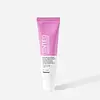 Key Ingredients
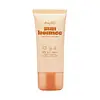
Benefits
Concerns
Ingredients Side-by-side
Water
Skin ConditioningParaffinum Liquidum
Emollient

Glycerin
Humectant


Butyrospermum Parkii Butter
Skin Conditioning

Cetyl Alcohol
Emollient

PEG-100 Stearate
Surfactant
Glyceryl Stearate
Emollient
Stearic Acid
Cleansing
Ethylhexyl Methoxycinnamate
UV Absorber


Sorbitan Stearate
Emulsifying
Polysorbate 80
Emulsifying
Cyclopentasiloxane
Emollient
Cyclohexasiloxane
Emollient
Triethanolamine
BufferingDimethicone
Emollient
Carbomer
Emulsion StabilisingMethylparaben
Preservative


Phenoxyethanol
Preservative
Butyl Methoxydibenzoylmethane
UV Absorber
C14-18 Alkyl Ethylhexanoate
Skin ConditioningTitanium Dioxide
Cosmetic Colorant
Zinc Oxide
Cosmetic Colorant
CI 77492
Cosmetic ColorantCI 77491
Cosmetic ColorantCI 77499
Cosmetic ColorantGlutathione



Polyacrylamide
C13-14 Alkane
SolventC18-70 Isoparaffin
Emollient
Water, Paraffinum Liquidum, Glycerin, Butyrospermum Parkii Butter, Cetyl Alcohol, PEG-100 Stearate, Glyceryl Stearate, Stearic Acid, Ethylhexyl Methoxycinnamate, Sorbitan Stearate, Polysorbate 80, Cyclopentasiloxane, Cyclohexasiloxane, Triethanolamine, Dimethicone, Carbomer, Methylparaben, Phenoxyethanol, Butyl Methoxydibenzoylmethane, C14-18 Alkyl Ethylhexanoate, Titanium Dioxide, Zinc Oxide, CI 77492, CI 77491, CI 77499, Glutathione, Polyacrylamide, C13-14 Alkane, C18-70 Isoparaffin
Water
Skin ConditioningEthylhexyl Methoxycinnamate
UV Absorber
Butyl Methoxydibenzoylmethane
UV Absorber
Benzophenone-3
UV Absorber
Butylene Glycol
Humectant
Titanium Dioxide
Cosmetic Colorant
Phospholipids
Skin Conditioning
Polyacrylate-13
Polyisobutene
Polysorbate 20
Emulsifying
Glycerin
Humectant
Hydroxyethyl Acrylate/Sodium Acryloyldimethyl Taurate Copolymer
Emulsion StabilisingIsohexadecane
EmollientPolysorbate 60
Emulsifying
Zinc Oxide
Cosmetic Colorant
Paraffinum Liquidum
Emollient
Cyclopentasiloxane
Emollient
Niacinamide
Smoothing





Aluminum PCA
AstringentPotassium Hydroxide
BufferingTalc
Abrasive
Triethoxycaprylylsilane
Dimethicone
Emollient
Tocopheryl Acetate
Antioxidant

Aloe Barbadensis Leaf Extract
Emollient
Sodium Hyaluronate
Humectant
Phenoxyethanol
Preservative
Ethylhexylglycerin
Skin ConditioningCI 77499
Cosmetic ColorantCI 77491
Cosmetic ColorantCI 77492
Cosmetic ColorantDisodium EDTA
Water, Ethylhexyl Methoxycinnamate, Butyl Methoxydibenzoylmethane, Benzophenone-3, Butylene Glycol, Titanium Dioxide, Phospholipids, Polyacrylate-13, Polyisobutene, Polysorbate 20, Glycerin, Hydroxyethyl Acrylate/Sodium Acryloyldimethyl Taurate Copolymer, Isohexadecane, Polysorbate 60, Zinc Oxide, Paraffinum Liquidum, Cyclopentasiloxane, Niacinamide, Aluminum PCA, Potassium Hydroxide, Talc, Triethoxycaprylylsilane, Dimethicone, Tocopheryl Acetate, Aloe Barbadensis Leaf Extract, Sodium Hyaluronate, Phenoxyethanol, Ethylhexylglycerin, CI 77499, CI 77491, CI 77492, Disodium EDTA
Reviews
Ingredients Explained
These ingredients are found in both products.
Ingredients higher up in an ingredient list are typically present in a larger amount.
Also known as Avobenzone, this ingredient is an oil-soluble used to absorb the full spectrum of UVA rays (peak 357 nm).
It's one of the most effective UVA filters available but has a major caveat of photostability: avobenzone is susceptible to photodegradation.
This means it can lose efficacy when exposed to sunlight without the help of a stabilizing agent.
Studies show antioxidants (like vitamin E or vitamin C) and some UV filters (like octocrylene and Tinosorb S) can meaningfully improve its stability in a formulation.
The maximum allowable concentration according to regulation is 3% in the US + Canada, and 5% in the EU, Australia, China, Korea, and ASEAN countries.
It has a well-support safety profile: a comprehensive 2025 review found minimal toxicity with no evidence of carcinogenicity.
Overall, avobenzone is a safe and regulated ingredient used in sunscreen for over 40 years.
Learn more about Butyl MethoxydibenzoylmethaneCi 77491 is also hydrated iron III oxide. It's sole purpose is to give a red/pink hue to products.
Iron III oxides are classified as inorganic chemicals for coloring.
Synthetically created Ci 77491 is considered safer than those naturally found. This is because the synthetically created version may contain less impurities. Iron oxides are generally non-toxic and non-allergenic.
Learn more about CI 77491CI 77492 is also hydrated iron III oxide. It's sole purpose is to give a yellow hue to products.
Iron III oxides are classified as inorganic chemicals for coloring.
Synthetically created CI 77492 is considered safer than those naturally found. This is because the synthetically created version may contain less impurities. Iron oxides are generally non-toxic and non-allergenic.
Learn more about CI 77492Ci 77499 is also hydrated iron III oxide. It is created from mixing red and black iron oxides. This helps give shades of darkness to a product.
Iron III oxides are classified as inorganic chemicals for coloring.
Cyclopentasiloxane (D5) is a lightweight silicone that mostly acts as an emollient and solvent in cosmetics. Its the reason your products feel silky, fast-spreading, and non-greasy.
Since D5 is volatile, it does its thing and then evaporates off the skin quickly.
The safety profile of this ingredient is reassuring; the US CIR Expert Panel concluded D5 is safe as used in cosmetics and Health Canada concluded that D5 is not harmful to human health or the environment as currently used in cosmetics
There's a study that people mention about D5 in a rat study showing tumors. This study is related to long-term inhalation of high D5 levels.
Regulatory bodies have judged this study to be not applicable in topical skincare since skin absorption of D5 is very low and we're not really inhaling huge amounts of D5.
The only restriction for this ingredient is environmental. The European Chemicals Agency (ECHA) restricted D5 in wash-off cosmetics at or above 0.1% due to their persistence in water.
Learn more about CyclopentasiloxaneDimethicone is a type of synthetic silicone created from natural materials such as quartz. It is also known as polydimethylsiloxane.
What it does:
Dimethicone comes in different viscosities:
Depending on the viscosity, dimethicone has different properties.
Ingredients lists don't always show which type is used, so we recommend reaching out to the brand if you have questions about the viscosity.
This ingredient is unlikely to cause irritation because it does not get absorbed into skin. However, people with silicone allergies should be careful about using this ingredient.
Note: Dimethicone may contribute to pilling. This is because it is not oil or water soluble, so pilling may occur when layered with products. When mixed with heavy oils in a formula, the outcome is also quite greasy.
Learn more about DimethiconeThis ingredient is also known as Octinoxate and is one of the oldest and most widely used chemical UV filters in skincare.
It has a simple job: soap up UVB radiation (290-320 nm), the wavelengths responsible for sunburn and a big chunk of long-term sun damage.
In formulas, it's always paired with a separate UVA filter because octinoxate solely protects skin from UVB.
Because it's an oil-soluble liquid, it's easy to blend into the oil phase of lotions/creams and gives a cosmetically elegant feel.
The one quirk about formulating this ingredient is photostability; the molecule slowly changes shape into a less effective version when sunlight hits it. So the longer you're in the sun, the weaker its protection gets. The drop can be more than 30% in some formulas.
It also doesn't play nice with Avobenzone (the common UVA filter) since avobenzone destabilizes octinoxate and the two degrade each other. But don't worry: brands have solved this issue by adding photostabilizers like Tinosorb S to prevent degradation and keep SPF stable under heavy UV exposure.
The maximum allowed level is 10% in the EU and Australia, 7.5% in the US and Canada, and 20% in Japan.
The Cosmetic Ingredient Review Panel has concluded this ingredient to be safe in cosmetics up to 10%.
One last thing worth knowing for context:
Octinoxate has been the subject of ongoing review in Europe where the Scientific Committee on Consumer Safety's (SCCS) 2025 final opinion is that this ingredient is an endocrine-active substance.
Lab and animal studies suggest it can act a bit like a hormone in the body (mildly mimicking estrogen and slightly blocking male hormones). It's important to know this hasn't really been shown to happen in everyday human use.
This ingredient is also banned in Hawaii over coral reef concerns.
Learn more about Ethylhexyl MethoxycinnamateGlycerin (or glycerol) is a compound naturally found in your skin. It's a powerhouse humectant that pulls water into the stratum corneum.
Topically, glycerin does several things at once:
Your skin makes glycerin on its own (mostly from sebaceous oil breakdown) and shuttles it to your outermost layer of skin, or your epidermis, via aquaporin-3.
Aquaporin-3 is a transporter that is essential for normal skin hydration, elasticity, and repair. Interestingly, mice lacking in AQP3 have dry and less elastic skin that can be fully corrected with glycerin.
This ingredient is non-irritating, plays well with almost every ingredient, and works across all skin types. Typical use is anywhere between 3-10% but can go up to 79% in some leave-on products.
Just know very high concentrations (>40%) can feel tacky in low humidity.
Glycerin is the name for this ingredient in American English. British English uses Glycerol/Glycerine.
Learn more about GlycerinParaffinum Liquidum is a highly-refined cosmetic-grade mineral oil. It is also known as liquid paraffin.
Despite its controversial reputation, the science is pretty clear: it's one of the most well-studied and effective moisturizing ingredients out there.
As an occlusive, it forms a protective layer on the skin that locks in moisture and prevents transepidermal water loss (TEWL). This makes it especially great for compromised skin barriers.
The "it clogs your pores" myth has been around for decades; a study found that industrial-grade mineral oil may be comedogenic but cosmetic-grade mineral oil is not (these two are very, very different).
A 2017 review concluded that cosmetic use of mineral oils and waxes does not present a risk to consumers due to absorption.
Mineral oil got a bad rap from the old rabbit ear studies. When tested on actual human skin, cosmetic-grade mineral oil showed no comedogenic activity. The rating of 0 is a correction of outdated science.
Mineral oil is an inert substance with no fatty acids so there's nothing to feed Malassezia. This ingredient is fungal acne safe.
Learn more about Paraffinum LiquidumPhenoxyethanol is a preservative that has germicide, antimicrobial, and aromatic properties. Studies show that phenoxyethanol can prevent microbial growth. By itself, it has a scent that is similar to that of a rose.
It's often used in formulations along with Caprylyl Glycol to preserve the shelf life of products.
Titanium dioxide is a mineral UV filter widely used in sunscreens and cosmetics.
It is one of only two UV filters officially classified as “mineral” by regulatory agencies, the other being zinc oxide.
Titanium dioxide provides broad-spectrum protection mostly in the UVB and UVAII range, with some protection in the UVAI range.
While its UVA protection isn’t as strong as zinc oxide’s, the difference is minor.
A common myth is that mineral UV filters reflect UV light. However, modern research shows titanium dioxide absorbs UV radiation like chemical filters (~95% absorption & 5% reflection).
Thanks to its non-irritating nature, titanium dioxide is suitable for sensitive, acne-prone, or redness-prone skin. It is unlikely to cause "eye sting" like other sunscreen ingredients.
A major drawback of this ingredient is its white cast and thick texture. This is why mineral sunscreens often leave a white cast and are less cosmetically elegant than chemical/hybrid sunscreens.
To improve white cast and spreadability, micronized or nano-sized titanium dioxide is often used.
There are ongoing concerns surrounding nano-titanium oxide's impact on marine ecosystems.
There is no conclusive evidence that any form of titanium oxide (or any other sunscreen ingredients) will cause harm to marine ecosystems or coral reefs. The science is still developing but many consumers are keeping a close eye on this issue.
Please note, many destinations have reef-safety sunscreen rules. For instance, the U.S. Virgin Islands advises all visitors to use non-nano mineral sunscreens.
Nano mineral sunscreens once raised safety concerns about absorption into skin.
Extensive research has shown that they do not penetrate healthy or damaged skin; they remain safely on the surface and the top layer of dead skin (stratum corneum).
You'll likely find titanium dioxide bundled with alumina, silica, or dimethicone. These ingredients help make titanium dioxide highly photostable; this prevents it from interacting with other formula components under UV light.
Learn more about Titanium DioxideWater. It's the most common cosmetic ingredient of all. You'll usually see it at the top of ingredient lists, meaning that it makes up the largest part of the product.
So why is it so popular? Water most often acts as a solvent - this means that it helps dissolve other ingredients into the formulation.
You'll also recognize water as that liquid we all need to stay alive. If you see this, drink a glass of water. Remember to stay hydrated!
Learn more about WaterZinc Oxide is a mineral broad-spectrum UV filter; it is the broadest UVA and UVB reflector approved by the FDA. It also has skin protectant and skin soothing properties.
Zinc oxide is one of the most effective broad-spectrum UV filters. It protects against UVB, UVAII, and UVAI. In comparison to its counterpart titanium dioxide, zinc oxide provides uniform and extended UVA protection.
Another great benefit? This ingredient is highly photostable so it won't degrade easily under sunlight.
A common myth is that mineral UV filters are widely believed to primarily reflect UV light.
However, modern research shows titanium dioxide absorbs UV radiation like chemical filters (~95% absorption & 5% reflection).
Zinc oxide has great skin soothing properties so you'll likely find this in sunscreens formulated for sensitive skin or babies/children. It is unlikely to cause "eye sting" like other sunscreen ingredients.
Regulatory agencies consider zinc oxide to be non-toxic and safe. It has also been shown to not penetrate the skin.
Unfortunately, this ingredient does leave a visible white cast. This is why mineral sunscreens are often less cosmetically elegant than chemical or hybrid ones.
In cosmetics, zinc oxide can be found in both non-nano and nano-sized forms. The nano version is used to reduce white cast and improve the texture of sunscreen formulas.
There are ongoing concerns surrounding nano-zinc oxide's impact on marine ecosystems and whether it can be absorbed into skin.
Regarding marine ecosystems and coral reefs, there is no conclusive evidence that any form of zinc oxide (or any other sunscreen ingredients) will cause harm. The science is still developing but many consumers are keeping a close eye on this issue.
Please note, many destinations have reef-safety sunscreen rules. For instance, the U.S. Virgin Islands advises all visitors to use non-nano mineral sunscreens.
There has also been some stir about whether micronized or nano zinc oxide has potential photoxicity and absorption through the skin/lungs.
An in-vitro (done in a test tube or petri dish) study demonstrated micronized zinc oxide to have potential phototoxicity. There's no need to fret; the EU Commission's Scientific Committee on Consumer Safety has stated, "The relevance of these findings needs to be clarified by appropriate investigations in vivo." Or in other words, further studies done on living organisms are needed to prove this.
Current research shows zinc oxide nanoparticles do not penetrate intact or sunburned skin. They either remain on the surface or in the outermost layer of dead skin (stratum corneum).
Zinc oxide is one of only two classified mineral UV filters with titanium dioxide being the other one.
Fun fact: Zinc has been used throughout history as an ingredient in paint and medicine. An Indian text from 500BC is believed to list zinc oxide as a salve for open wound. The Ancient Greek physician Dioscorides has also mentioned the use of zinc as an ointment in 1AD.
Learn more about Zinc Oxide
