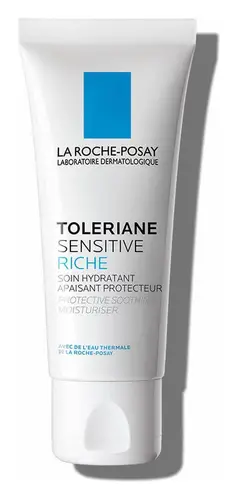
What's inside
What's inside
 Key Ingredients
Benefits
Concerns
Ingredients Side-by-side
Water
Skin ConditioningButyloctyl Salicylate
Skin Conditioning
Propanediol
Solvent

Propylheptyl Caprylate
EmollientPolyglyceryl-4 Diisostearate/Polyhydroxystearate/Sebacate
Emulsifying
Disteardimonium Hectorite
StabilisingPolyglyceryl-3 Polydimethylsiloxyethyl Dimethicone
Skin Conditioning
Magnesium Sulfate
Phenyl Trimethicone
Skin Conditioning
1,2-Hexanediol
Skin Conditioning
Polymethylsilsesquioxane
Acrylates/Dimethicone Copolymer
Skin Conditioning
Triethoxycaprylylsilane
Stearic Acid
Cleansing
Aluminum Hydroxide
EmollientGlyceryl Caprylate
EmollientCaprylyl Glycol
Emollient
Ethylhexylglycerin
Skin ConditioningTocopherol
Antioxidant





Ceramide NP
Skin Conditioning

Sodium Hyaluronate
Humectant
Butylene Glycol
Humectant
Dipropylene Glycol
HumectantGlycerin
Humectant
Camellia Sinensis Leaf Extract
Antimicrobial

Artemisia Princeps Extract
Skin ConditioningUlmus Davidiana Root Extract
Skin Conditioning
Xanthium Strumarium Fruit Extract
Skin ConditioningSalicornia Herbacea Extract
Skin ConditioningZingiber Officinale Root Extract
Masking
Lonicera Japonica Flower Extract
Skin ConditioningPoncirus Trifoliata Fruit Extract
Skin ConditioningSophora Angustifolia Root Extract
Skin ConditioningAllium Sativum Bulb Extract
Skin ConditioningZinc Oxide
Cosmetic Colorant
Cyclopentasiloxane
Emollient
Homosalate
Skin Conditioning
Ethylhexyl Salicylate
UV Absorber
Titanium Dioxide
Cosmetic Colorant
Glycyrrhiza Glabra Root Extract
Bleaching
Water, Butyloctyl Salicylate, Propanediol, Propylheptyl Caprylate, Polyglyceryl-4 Diisostearate/Polyhydroxystearate/Sebacate, Disteardimonium Hectorite, Polyglyceryl-3 Polydimethylsiloxyethyl Dimethicone, Magnesium Sulfate, Phenyl Trimethicone, 1,2-Hexanediol, Polymethylsilsesquioxane, Acrylates/Dimethicone Copolymer, Triethoxycaprylylsilane, Stearic Acid, Aluminum Hydroxide, Glyceryl Caprylate, Caprylyl Glycol, Ethylhexylglycerin, Tocopherol, Ceramide NP, Sodium Hyaluronate, Butylene Glycol, Dipropylene Glycol, Glycerin, Camellia Sinensis Leaf Extract, Artemisia Princeps Extract, Ulmus Davidiana Root Extract, Xanthium Strumarium Fruit Extract, Salicornia Herbacea Extract, Zingiber Officinale Root Extract, Lonicera Japonica Flower Extract, Poncirus Trifoliata Fruit Extract, Sophora Angustifolia Root Extract, Allium Sativum Bulb Extract, Zinc Oxide, Cyclopentasiloxane, Homosalate, Ethylhexyl Salicylate, Titanium Dioxide, Glycyrrhiza Glabra Root Extract
Water
Skin ConditioningGlycerin
Humectant
Methylpropanediol
SolventCaprylic/Capric Triglyceride
Masking
Cetearyl Alcohol
Emollient
Macadamia Ternifolia Seed Oil
Emollient
Hydrogenated Polydecene
EmollientButyrospermum Parkii Butter
Skin Conditioning
Glyceryl Stearate
Emollient
Lonicera Japonica Flower Extract
Skin ConditioningArachidyl Alcohol
Emollient
Behenyl Alcohol
Emollient
Arachidyl Glucoside
EmulsifyingPhenyl Trimethicone
Skin Conditioning
Cetearyl Glucoside
Emulsifying
Beeswax
Emulsion Stabilising
Sorbitan Stearate
Emulsifying
Cellulose Gum
Emulsion StabilisingCeramide NP
Skin Conditioning
Yeast Beta-Glucan
Skin ConditioningCopper Tripeptide-1
Skin Conditioning
Butylene Glycol
Humectant
Hydrogenated Lecithin
Emulsifying
Octyldodecanol
Emollient
Carbomer
Emulsion StabilisingHydroxyacetophenone
Antioxidant
Myrtus Communis Extract
AstringentTropaeolum Majus Extract
AntimicrobialTromethamine
BufferingDisodium EDTA
Ethylhexylglycerin
Skin ConditioningWater, Glycerin, Methylpropanediol, Caprylic/Capric Triglyceride, Cetearyl Alcohol, Macadamia Ternifolia Seed Oil, Hydrogenated Polydecene, Butyrospermum Parkii Butter, Glyceryl Stearate, Lonicera Japonica Flower Extract, Arachidyl Alcohol, Behenyl Alcohol, Arachidyl Glucoside, Phenyl Trimethicone, Cetearyl Glucoside, Beeswax, Sorbitan Stearate, Cellulose Gum, Ceramide NP, Yeast Beta-Glucan, Copper Tripeptide-1, Butylene Glycol, Hydrogenated Lecithin, Octyldodecanol, Carbomer, Hydroxyacetophenone, Myrtus Communis Extract, Tropaeolum Majus Extract, Tromethamine, Disodium EDTA, Ethylhexylglycerin
Reviews
Ingredients Explained
These ingredients are found in both products.
Ingredients higher up in an ingredient list are typically present in a larger amount.
Butylene Glycol (or BG) is used within cosmetic products for a few different reasons:
Overall, Butylene Glycol is a safe and well-rounded ingredient that works well with other ingredients.
Though this ingredient works well with most skin types, some people with sensitive skin may experience a reaction such as allergic rashes, closed comedones, or itchiness.
Learn more about Butylene GlycolCeramide NP (formerly known as Ceramide 3) is one of the skin's naturally occurring lipids.
Since ceramides are the major lipid components of the skin, they are crucial for maintaining skin barrier and hydration. Ceramide NP most closely mirrors the dominant kind in human skin amongst ceramide subtypes.
This ceramide works by slotting into gaps within the stratum corneum's lipid matrix to limit trans-epidermal water loss (TEWL) and shield the skin against external irritants.
A study with 312 patients found that using a ceramide-containing routine for 4 weeks reduced the severity of atopic dermatitis by over 61%.
Another clinical study in subjects aged 60 and older found that a ceramide body wash and moisturizer improved skin dryness and itchy skin in 15 days.
Overall, ceramides are considered non-irritating and safety tests have found little to no observable adverse effects from using this ingredient.
Ceramide NP is usually sourced from plants (like soybean or rice bran), or produced synthetically.
Learn more about Ceramide NPEthylhexylglycerin is created from glycerin. It is a multitasker ingredient that:
The CIR Expert Panel found minimal skin absorption or sensitization of any kind in a safety assessment. Though this ingredient is considered well-tolerated, a small number of cases of allergic dermatitis have been published since 2002. Just be sure to patch test if you are unsure.
Industry-reported use ranges from 8% in rinse-off products and 2% in leave-on formulations.
Learn more about EthylhexylglycerinGlycerin (or glycerol) is a compound naturally found in your skin. It's a powerhouse humectant that pulls water into the stratum corneum.
Topically, glycerin does several things at once:
Your skin makes glycerin on its own (mostly from sebaceous oil breakdown) and shuttles it to your outermost layer of skin, or your epidermis, via aquaporin-3.
Aquaporin-3 is a transporter that is essential for normal skin hydration, elasticity, and repair. Interestingly, mice lacking in AQP3 have dry and less elastic skin that can be fully corrected with glycerin.
This ingredient is non-irritating, plays well with almost every ingredient, and works across all skin types. Typical use is anywhere between 3-10% but can go up to 79% in some leave-on products.
Just know very high concentrations (>40%) can feel tacky in low humidity.
Glycerin is the name for this ingredient in American English. British English uses Glycerol/Glycerine.
Learn more about GlycerinLonicera Japonica Flower Extract comes from the honeysuckle flower.
Honeysuckles have skin protecting, anti-viral, and anti-inflammatory properties. It contains many antioxidants, such as luteolin, caffeic acid, loniflavone, and chlorogenic acids.
This honeysuckle is native to East Asia and used in traditional Chinese medicine to treat fever and inflammation.
Learn more about Lonicera Japonica Flower ExtractPhenyl Trimethicone is a silicon-based polymer. It is derived from silica.
Phenyl Trimethicone is used as an emollient and prevents products from foaming.
As an emollient, it helps trap moisture in the skin. It is considered an occlusive.
Learn more about Phenyl TrimethiconeWater. It's the most common cosmetic ingredient of all. You'll usually see it at the top of ingredient lists, meaning that it makes up the largest part of the product.
So why is it so popular? Water most often acts as a solvent - this means that it helps dissolve other ingredients into the formulation.
You'll also recognize water as that liquid we all need to stay alive. If you see this, drink a glass of water. Remember to stay hydrated!
Learn more about Water