

What's inside
What's inside
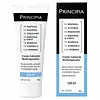 Key Ingredients
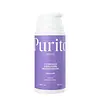
Benefits
Concerns
Ingredients Side-by-side
Water
Skin ConditioningSodium Gluconate
Skin ConditioningPolyacrylate Crosspolymer-6
Emulsion StabilisingGlycerin
Humectant



Cetearyl Olivate

Sorbitan Olivate
Emulsifying
Glyceryl Stearate
Emollient
Squalane
Emollient
Helianthus Annuus Seed Oil
Emollient
Isoamyl Laurate
Emollient
Butyrospermum Parkii Butter
Skin Conditioning

Tocopheryl Acetate
Antioxidant

Panthenol
Skin Conditioning

Bisabolol
Masking
Saccharomyces/Zinc Ferment
Skin ConditioningSaccharomyces/Copper Ferment
Skin ConditioningSaccharomyces/Magnesium Ferment
Saccharomyces/Iron Ferment
Skin ConditioningSaccharomyces/Silicon Ferment
Skin ConditioningLeuconostoc/Radish Root Ferment Filtrate
Antimicrobial
Corn Glycerides
EmulsifyingSorbitol
Humectant
Phenoxyethanol
Preservative
Caprylyl Glycol
Emollient
Water, Sodium Gluconate, Polyacrylate Crosspolymer-6, Glycerin, Cetearyl Olivate, Sorbitan Olivate, Glyceryl Stearate, Squalane, Helianthus Annuus Seed Oil, Isoamyl Laurate, Butyrospermum Parkii Butter, Tocopheryl Acetate, Panthenol, Bisabolol, Saccharomyces/Zinc Ferment, Saccharomyces/Copper Ferment, Saccharomyces/Magnesium Ferment, Saccharomyces/Iron Ferment, Saccharomyces/Silicon Ferment, Leuconostoc/Radish Root Ferment Filtrate, Corn Glycerides, Sorbitol, Phenoxyethanol, Caprylyl Glycol
Water
Skin ConditioningPropanediol
Solvent
Glycerin
Humectant
Caprylic/Capric Triglyceride
Masking
Hydrogenated Poly(C6-14 Olefin)
EmollientBehenyl Alcohol
Emollient
Limnanthes Alba Seed Oil
Skin Conditioning
Polyglyceryl-6 Stearate
Emollient
1,2-Hexanediol
Skin Conditioning
Cetyl Alcohol
Emollient
Candida/Garcinia Cambogia Ferment
Ceramide NP
Skin Conditioning

Glyceryl Stearate
Emollient
Ammonium Acryloyldimethyltaurate/Vp Copolymer
Polyglyceryl-6 Behenate
Emulsion Stabilising
Allantoin
Skin Conditioning
Squalane
Emollient
Caprylyl Glycol
Emollient
Panthenol
Skin Conditioning
Macadamia Ternifolia Seed Oil
Emollient
Xanthan Gum
EmulsifyingButyrospermum Parkii Butter
Skin Conditioning
Ethylhexylglycerin
Skin ConditioningDisodium EDTA
Dipropylene Glycol
HumectantHydrogenated Lecithin
Emulsifying
Ceramide Ns
Skin Conditioning
Ceramide As
Skin Conditioning
Ceramide AP
Skin Conditioning
Cholesterol
Emollient
Ceramide EOP
Skin Conditioning
Water, Propanediol, Glycerin, Caprylic/Capric Triglyceride, Hydrogenated Poly(C6-14 Olefin), Behenyl Alcohol, Limnanthes Alba Seed Oil, Polyglyceryl-6 Stearate, 1,2-Hexanediol, Cetyl Alcohol, Candida/Garcinia Cambogia Ferment, Ceramide NP, Glyceryl Stearate, Ammonium Acryloyldimethyltaurate/Vp Copolymer, Polyglyceryl-6 Behenate, Allantoin, Squalane, Caprylyl Glycol, Panthenol, Macadamia Ternifolia Seed Oil, Xanthan Gum, Butyrospermum Parkii Butter, Ethylhexylglycerin, Disodium EDTA, Dipropylene Glycol, Hydrogenated Lecithin, Ceramide Ns, Ceramide As, Ceramide AP, Cholesterol, Ceramide EOP
Reviews
Ingredients Explained
These ingredients are found in both products.
Ingredients higher up in an ingredient list are typically present in a larger amount.
This ingredient is also known as shea butter. It is an effective skin hydrator and emollient.
Emollients help soothe and soften your skin. It does this by creating a protective film on your skin. This barrier helps trap moisture and keeps your skin hydrated. Emollients may be effective at treating dry or itchy skin.
Shea butter is rich in antioxidants. Antioxidants help fight free-radicals, or molecules that may harm the body. It is also full of fatty acids including stearic acid and linoleic acid. These acids help replenish the skin and keep skin moisturized.
While Shea Butter has an SPF rating of about 3-4, it is not a sunscreen replacement.
Shea butter may not be fungal acne safe. We recommend speaking with a professional if you have any concerns.
Learn more about Butyrospermum Parkii ButterCaprylyl Glycol is a humectant and emollient, meaning it attracts and preserves moisture.
It is a common ingredient in many products, especially those designed to hydrate skin. The primary benefits are retaining moisture, skin softening, and promoting a healthy skin barrier.
Though Caprylyl Glycol is an alcohol derived from fatty acids, it is not the kind that can dry out skin.
This ingredient is also used as a preservative to extend the life of products. It has slight antimicrobial properties.
Learn more about Caprylyl GlycolGlycerin is already naturally found in your skin. It helps moisturize and protect your skin.
A study from 2016 found glycerin to be more effective as a humectant than AHAs and hyaluronic acid.
As a humectant, it helps the skin stay hydrated by pulling moisture to your skin. The low molecular weight of glycerin allows it to pull moisture into the deeper layers of your skin.
Hydrated skin improves your skin barrier; Your skin barrier helps protect against irritants and bacteria.
Glycerin has also been found to have antimicrobial and antiviral properties. Due to these properties, glycerin is often used in wound and burn treatments.
In cosmetics, glycerin is usually derived from plants such as soybean or palm. However, it can also be sourced from animals, such as tallow or animal fat.
This ingredient is organic, colorless, odorless, and non-toxic.
Glycerin is the name for this ingredient in American English. British English uses Glycerol/Glycerine.
Learn more about GlycerinGlyceryl Stearate is a mix of glycerin and stearic acid.
It is used to stabilize the mixing of water and oil ingredients. By preventing these ingredients from separating, it can help elongate shelf life. It can also help thicken the product's texture.
As an emollient, it helps soften skin and supports barrier-replenishing ingredients.
In cosmetics, Glyceryl Stearate is often made from vegetable oils or synthetically produced.
This ingredient may not be fungal-acne safe
Fun fact: The human body also creates Glyceryl Stearate naturally.
Learn more about Glyceryl StearatePanthenol is a common ingredient that helps hydrate and soothe the skin. It is found naturally in our skin and hair.
There are two forms of panthenol: D and L.
D-panthenol is also known as dexpanthenol. Most cosmetics use dexpanthenol or a mixture of D and L-panthenol.
Panthenol is famous due to its ability to go deeper into the skin's layers. Using this ingredient has numerous pros (and no cons):
Like hyaluronic acid, panthenol is a humectant. Humectants are able to bind and hold large amounts of water to keep skin hydrated.
This ingredient works well for wound healing. It works by increasing tissue in the wound and helps close open wounds.
Once oxidized, panthenol converts to pantothenic acid. Panthothenic acid is found in all living cells.
This ingredient is also referred to as pro-vitamin B5.
Learn more about PanthenolSqualane is an emollient that helps the skin hold onto moisture. It's an oily liquid that occurs naturally in certain types of fish and plant oils.
Because squalane boosts hydration in the skin, it also comes with plenty of benefits: it is an antioxidant and can help fight free radicals and skin damage. Squalane is also found to have a detoxifying effect when applied.
Squalane comes from squalene, which occurs naturally within the sebum of our skin. It is one of the oils our skin produces to keep itself hydrated. Squalane is the hydrogenated version of squalene and has a longer shelf life.
Research shows that squalane is non-irritating (even at 100% concentration).
In general, it's a fantastic ingredient. It does a great job at hydrating the skin, and it's suitable for those with sensitive skin.
The source of squalane may impact malassezia / fungal acne. This is because olive oil derived squalane can contain impurities such as fatty acids and plant waxes. Sugarcane derived squalane is recommended for anyone with malassezia concerns.
Is squalane vegan?
This depends on the source. Squalane can be derived from both plants and animals. Most squalane used in skincare comes from plants.
Please note: the source of squalane is only known if disclosed by the brand. We recommend reaching out to the brand if you have any questions about their squalane.
Read more about squalene with an "e".
Is squalane an oil?
Squalane is often called an oil, but it’s technically not; it’s a hydrocarbon, meaning it’s only made of carbon and hydrogen, unlike true oils which are triglycerides made of fatty acids and glycerol.
The term “oil-free” isn’t regulated, so companies can define it however they want. Some exclude all oils, while others just avoid mineral oil or comedogenic oils.
While some people avoid oils thinking they cause breakouts, the right kind of oil (or oil-like ingredient like squalane) can actually help balance and hydrate your skin. It’s worth testing out simple oils or squalane to see what works best for your skin.
Learn more about SqualaneWater. It's the most common cosmetic ingredient of all. You'll usually see it at the top of ingredient lists, meaning that it makes up the largest part of the product.
So why is it so popular? Water most often acts as a solvent - this means that it helps dissolve other ingredients into the formulation.
You'll also recognize water as that liquid we all need to stay alive. If you see this, drink a glass of water. Stay hydrated!
Learn more about Water
