
What's inside
What's inside
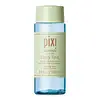 Key Ingredients
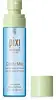
Benefits
Concerns
Ingredients Side-by-side
Water
Skin ConditioningAloe Barbadensis Leaf Juice
Skin Conditioning


Propanediol
Solvent
Glycerin
Humectant


Sodium PCA
Humectant
Betaine
Humectant
Lactobacillus Ferment Lysate Filtrate
Skin ConditioningGlycolic Acid
Buffering







Sodium Hyaluronate
Humectant
Salicylic Acid
Masking



Glycyrrhiza Glabra Root Extract
Bleaching
Salix Alba Bark Extract
Astringent
Magnesium Ascorbyl Phosphate
Antioxidant

Centella Asiatica Extract
Cleansing
Saccharum Officinarum Extract
MoisturisingLeuconostoc/Radish Root Ferment Filtrate
Antimicrobial
Populus Tremuloides Bark Extract
AntiseborrhoeicLactic Acid
Buffering
Sodium Citrate
BufferingSodium Hydroxide
BufferingEthylhexylglycerin
Skin ConditioningCitric Acid
Buffering
Potassium Sorbate
Preservative
Sodium Benzoate
Masking
Phenoxyethanol
Preservative
Water, Aloe Barbadensis Leaf Juice, Propanediol, Glycerin, Sodium PCA, Betaine, Lactobacillus Ferment Lysate Filtrate, Glycolic Acid, Sodium Hyaluronate, Salicylic Acid, Glycyrrhiza Glabra Root Extract, Salix Alba Bark Extract, Magnesium Ascorbyl Phosphate, Centella Asiatica Extract, Saccharum Officinarum Extract, Leuconostoc/Radish Root Ferment Filtrate, Populus Tremuloides Bark Extract, Lactic Acid, Sodium Citrate, Sodium Hydroxide, Ethylhexylglycerin, Citric Acid, Potassium Sorbate, Sodium Benzoate, Phenoxyethanol
Water
Skin ConditioningCentella Asiatica Extract
Cleansing
Propanediol
Solvent
Lavandula Angustifolia Flower/Leaf/Stem Extract
Masking

Citrus Aurantium Amara Leaf/Twig Extract
Skin ConditioningVinegar Extract
EmollientSea Salt Extract
Skin Conditioning
Lactobacillus Ferment
Skin Conditioning
Cucumis Sativus Fruit Water
Skin ConditioningCentaurea Cyanus Flower Extract
AstringentHydroxypropyltrimonium Hyaluronate
Sodium Hyaluronate
Humectant
Citrus Aurantium Dulcis Peel Extract
Emulsion Stabilising
Citrus Aurantium Bergamia Fruit Extract
Skin ConditioningSodium Acetylated Hyaluronate
Humectant
Hydrolyzed Hyaluronic Acid
Humectant
Tocopherol
Antioxidant
Styrax Tonkinensis Resin Extract
Perfuming
Rosmarinus Officinalis Leaf Extract
AntimicrobialHypochlorous Acid
Antiseborrhoeic
Hyaluronic Acid
Humectant
Coriandrum Sativum Fruit/Leaf Extract
AntiseborrhoeicCitrus Aurantium Amara Flower Extract
RefreshingSodium Hyaluronate Crosspolymer
Humectant
Hydrolyzed Sodium Hyaluronate
Skin Conditioning
Panthenol
Skin Conditioning
Mineral Salts
Skin Conditioning
Potassium Hyaluronate
Skin ConditioningSucrose
Humectant
Sodium Citrate
BufferingPolyglyceryl-10 Laurate
Skin Conditioning
Ceramide AP
Skin Conditioning
1,2-Hexanediol
Skin Conditioning
Ethylhexylglycerin
Skin ConditioningCaprylic/Capric Triglyceride
Masking
Citric Acid
Buffering
Phenoxyethanol
Preservative
Linalool
Perfuming
Limonene
Perfuming
Geraniol
Perfuming
Water, Centella Asiatica Extract, Propanediol, Lavandula Angustifolia Flower/Leaf/Stem Extract, Citrus Aurantium Amara Leaf/Twig Extract, Vinegar Extract, Sea Salt Extract, Lactobacillus Ferment, Cucumis Sativus Fruit Water, Centaurea Cyanus Flower Extract, Hydroxypropyltrimonium Hyaluronate, Sodium Hyaluronate, Citrus Aurantium Dulcis Peel Extract, Citrus Aurantium Bergamia Fruit Extract, Sodium Acetylated Hyaluronate, Hydrolyzed Hyaluronic Acid, Tocopherol, Styrax Tonkinensis Resin Extract, Rosmarinus Officinalis Leaf Extract, Hypochlorous Acid, Hyaluronic Acid, Coriandrum Sativum Fruit/Leaf Extract, Citrus Aurantium Amara Flower Extract, Sodium Hyaluronate Crosspolymer, Hydrolyzed Sodium Hyaluronate, Panthenol, Mineral Salts, Potassium Hyaluronate, Sucrose, Sodium Citrate, Polyglyceryl-10 Laurate, Ceramide AP, 1,2-Hexanediol, Ethylhexylglycerin, Caprylic/Capric Triglyceride, Citric Acid, Phenoxyethanol, Linalool, Limonene, Geraniol
Reviews
Ingredients Explained
These ingredients are found in both products.
Ingredients higher up in an ingredient list are typically present in a larger amount.
Centella Asiatica Extract (Centella) is derived from an herb native to Southeast Asia. It is famous for its anti-inflammatory and soothing properties.
Centella is rich in antioxidants and amino acids, such as Madecassic Acid and Asiaticoside.
Studies show the compounds in centella help with:
The combination of all these properties makes centella effective at soothing, hydrating, and protecting the skin.
Other great components of centella include Vitamin A, vitamin C, several B vitamins, and Asiatic Acid.
Fun fact: Centella has been used as a medicine and in food for many centuries. As a medicine, it is used to treat burns, scratches, and wounds.
Learn more about Centella Asiatica ExtractCitric Acid is an alpha hydroxy acid (AHA) naturally found in citrus fruits like oranges, lemons, and limes.
Like other AHAs, citric acid can exfoliate skin by breaking down the bonds that hold dead skin cells together. This helps reveal smoother and brighter skin underneath.
However, this exfoliating effect only happens at high concentrations (20%) which can be hard to find in cosmetic products.
Due to this, citric acid is usually included in small amounts as a pH adjuster. This helps keep products slightly more acidic and compatible with skin's natural pH.
In skincare formulas, citric acid can:
While it can provide some skin benefits, research shows lactic acid and glycolic acid are generally more effective and less irritating exfoliants.
Most citric acid used in skincare today is made by fermenting sugars (usually from molasses). This synthetic version is identical to the natural citrus form but easier to stabilize and use in formulations.
Read more about some other popular AHA's here:
Learn more about Citric AcidEthylhexylglycerin (we can't pronounce this either) is commonly used as a preservative and skin softener. It is derived from glyceryl.
You might see Ethylhexylglycerin often paired with other preservatives such as phenoxyethanol. Ethylhexylglycerin has been found to increase the effectiveness of these other preservatives.
Phenoxyethanol is a preservative that has germicide, antimicrobial, and aromatic properties. Studies show that phenoxyethanol can prevent microbial growth. By itself, it has a scent that is similar to that of a rose.
It's often used in formulations along with Caprylyl Glycol to preserve the shelf life of products.
Propanediol is an all-star ingredient. It softens, hydrates, and smooths the skin.
It’s often used to:
Propanediol is not likely to cause sensitivity and considered safe to use. It is derived from corn or petroleum with a clear color and no scent.
Learn more about PropanediolSodium Citrate is the sodium salts of citric acid. In skincare, it is used to alter pH levels and acts as a preservative.
Its main functions are to maintain the pH of a product and neutralize metal ions.
The acidity of our skin is maintained by our glands and skin biome; normal pH level of skin is slightly acidic (~4.75-5.5).
Being slightly acidic allows our skin to create an "acid mantle". This acid mantle is a thin barrier that protects our skin from bacteria and contaminants.
Learn more about Sodium CitrateSodium Hyaluronate is hyaluronic acid's salt form. It is commonly derived from the sodium salt of hyaluronic acid.
Like hyaluronic acid, it is great at holding water and acts as a humectant. This makes it a great skin hydrating ingredient.
Sodium Hyaluronate is naturally occurring in our bodies and is mostly found in eye fluid and joints.
These are some other common types of Hyaluronic Acid:
Learn more about Sodium HyaluronateWater. It's the most common cosmetic ingredient of all. You'll usually see it at the top of ingredient lists, meaning that it makes up the largest part of the product.
So why is it so popular? Water most often acts as a solvent - this means that it helps dissolve other ingredients into the formulation.
You'll also recognize water as that liquid we all need to stay alive. If you see this, drink a glass of water. Stay hydrated!
Learn more about Water
