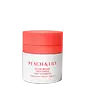
This barrier-repair moisturizer is formulated around Bifida Ferment Filtrate and Ectoin to strengthen the skin barrier and hydrate skin.
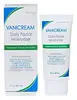
This barrier-repair moisturizer is formulated around Squalane and Hyaluronic Acid to strengthen the skin barrier and hydrate skin.


What's inside
What's inside
 Key Ingredients
Benefits
Concerns
Ingredients Side-by-side
Glycerin
Humectant


Water
Skin ConditioningDipropylene Glycol
HumectantCetearyl Alcohol
Emollient






Coco-Caprylate/Caprate
Emollient
Dicaprylyl Ether
Emollient
1,2-Hexanediol
Skin Conditioning
Dipentaerythrityl Hexahydroxystearate/Hexastearate/Hexarosinate
Skin ConditioningCetearyl Olivate
Cetyl Ethylhexanoate
EmollientBifida Ferment Filtrate
Skin Conditioning
Saccharomyces/Rice Ferment Filtrate
Skin Conditioning
Glycolipids
Skin ConditioningEctoin
Skin Conditioning



Bisabolol
Antioxidant
Ceramide NP
Skin Conditioning
Ceramide AP
Skin Conditioning
Ceramide EOP
Skin Conditioning
Panthenol
Skin Conditioning
Methionine
Skin ConditioningCysteine
Antioxidant
Allantoin
Skin Conditioning
Portulaca Oleracea Extract
Skin Conditioning
Tremella Fuciformis Extract
Humectant
Hydrogenated Phosphatidylcholine
Emulsifying
Phytosphingosine
Skin Conditioning
Cholesterol
Emollient
Tocopherol
Antioxidant


Ferulic Acid
Antimicrobial
Ubiquinone
Antioxidant
Phytosteryl/Octyldodecyl Lauroyl Glutamate
Skin ConditioningMorus Alba Root Extract
BleachingBambusa Vulgaris Extract
Skin Conditioning
Arctium Lappa Root Extract
Skin Conditioning
Scutellaria Baicalensis Root Extract
Astringent
Glucose
Humectant
Cichorium Intybus Root Extract
MaskingAllium Cepa Bulb Extract
Skin Conditioning
Sorbitan Olivate
Emulsifying
Sodium Polyacryloyldimethyl Taurate
Emulsion StabilisingGlyceryl Stearate Se
Emulsifying
Cetearyl Glucoside
Emulsifying
Butylene Glycol
Humectant
Polyglyceryl-10 Stearate
Skin Conditioning
Triethyl Citrate
Masking

Polyglyceryl-6 Behenate
Emulsion Stabilising
Sodium Levulinate
Skin ConditioningBehenic Acid
Cleansing
Glyceryl Stearate
Emollient
Anthemis Nobilis Flower Extract
Masking
Helianthus Tuberosus Root Extract
Skin ConditioningCaprylyl Glycol
Emollient
Sodium Cetearyl Sulfate
Cleansing
Ethylhexylglycerin
Skin ConditioningGlycerin, Water, Dipropylene Glycol, Cetearyl Alcohol, Coco-Caprylate/Caprate, Dicaprylyl Ether, 1,2-Hexanediol, Dipentaerythrityl Hexahydroxystearate/Hexastearate/Hexarosinate, Cetearyl Olivate, Cetyl Ethylhexanoate, Bifida Ferment Filtrate, Saccharomyces/Rice Ferment Filtrate, Glycolipids, Ectoin, Bisabolol, Ceramide NP, Ceramide AP, Ceramide EOP, Panthenol, Methionine, Cysteine, Allantoin, Portulaca Oleracea Extract, Tremella Fuciformis Extract, Hydrogenated Phosphatidylcholine, Phytosphingosine, Cholesterol, Tocopherol, Ferulic Acid, Ubiquinone, Phytosteryl/Octyldodecyl Lauroyl Glutamate, Morus Alba Root Extract, Bambusa Vulgaris Extract, Arctium Lappa Root Extract, Scutellaria Baicalensis Root Extract, Glucose, Cichorium Intybus Root Extract, Allium Cepa Bulb Extract, Sorbitan Olivate, Sodium Polyacryloyldimethyl Taurate, Glyceryl Stearate Se, Cetearyl Glucoside, Butylene Glycol, Polyglyceryl-10 Stearate, Triethyl Citrate, Polyglyceryl-6 Behenate, Sodium Levulinate, Behenic Acid, Glyceryl Stearate, Anthemis Nobilis Flower Extract, Helianthus Tuberosus Root Extract, Caprylyl Glycol, Sodium Cetearyl Sulfate, Ethylhexylglycerin
Water
Skin ConditioningSqualane
Emollient
Glycerin
Humectant
Pentylene Glycol
Skin Conditioning
Polyglyceryl-2 Stearate
Emulsifying
Glyceryl Stearate
Emollient
Stearyl Alcohol
Emollient
Hyaluronic Acid
Humectant
Ceramide EOP
Skin Conditioning
Ceramide Ng
Skin Conditioning
Ceramide NP
Skin Conditioning
Ceramide As
Skin Conditioning
Ceramide AP
Skin Conditioning
Carnosine
Skin Conditioning
Hydrogenated Lecithin
Emulsifying
Phytosterols
Skin Conditioning
Caprylyl Glycol
Emollient
Polyacrylate Crosspolymer-11
Emulsion Stabilising1,2-Hexanediol
Skin Conditioning
Reviews
Ingredients Explained
These ingredients are found in both products.
Ingredients higher up in an ingredient list are typically present in a larger amount.
1,2-Hexanediol is a synthetic liquid and another multi-functional powerhouse.
It is a:
- Humectant, drawing moisture into the skin
- Emollient, helping to soften skin
- Solvent, dispersing and stabilizing formulas
- Preservative booster, enhancing the antimicrobial activity of other preservatives
Caprylyl Glycol is a humectant, skin conditioner, emollient, and preservative booster derived from either caprylic acid or synthetically created.
Typical use levels vary from 0.3-1% as a preservative booster and go up to 2% to condition skin.
Because it is not a free-fatty acid, this ingredient is fungal acne safe (there's nothing for Malassezia to feed on).
Learn more about Caprylyl GlycolCeramide AP is is a skin-identical lipid that mimics what your skin already makes naturally. Ceramides help maintain epidermal integrity and barrier function.
You'll often see this ingredient paired with other ceramides (like ceramide NP), cholesterol, or fatty acids because this combination best mimics the natural lipid mix your skin already has.
The skin's ability to produce ceramides gets disrupted in skin conditions like eczema. This in turn weakens the skin barrier and applying ceramides topically has been shown to replenish what's been lost to restore barrier function.
Most of the studies with Ceramide AP test it as part of a multi-ceramide complex; studies reinforce ceramide AP's role in rebalancing ceramides in skin and improving skin hydration.
Learn more about Ceramide APCeramide EOP is formally known as Ceramide 1.
It is naturally found in skin and part of the intercellular "mortar" holding everything together in your outermost layer.
EOP stands for a linked Ester fatty acid, a linked Omega hydroxy fatty acid, and the Phytosphingosine base.
What makes Ceramide EOP special is its ultra-long fatty acid chain; this unique structure allows it to bridge the lipid layers in your skin barrier to prevent water loss (something no other ceramide can do).
Low levels of Ceramide EOP have been found in people with eczema and psoriasis.
Using it together with other ceramides, cholesterol, and linoleic acid have been shown to meaningfully improve hydration and reduce water loss.
In one clinical study, a regimen using Ceramide EOP, NP, and AP led to significant symptom improvements in patients with eczema, psoriasis, and dry skin in just 4 weeks.
You'll usually see concentrations between 0.1-0.5% in formulations. Overall, this is a well-tolerated and safe ingredient for cosmetic use.
Learn more about Ceramide EOPCeramide NP (formerly known as Ceramide 3) is one of the skin's naturally occurring lipids.
Since ceramides are the major lipid components of the skin, they are crucial for maintaining skin barrier and hydration. Ceramide NP most closely mirrors the dominant kind in human skin amongst ceramide subtypes.
This ceramide works by slotting into gaps within the stratum corneum's lipid matrix to limit trans-epidermal water loss (TEWL) and shield the skin against external irritants.
A study with 312 patients found that using a ceramide-containing routine for 4 weeks reduced the severity of atopic dermatitis by over 61%.
Another clinical study in subjects aged 60 and older found that a ceramide body wash and moisturizer improved skin dryness and itchy skin in 15 days.
Overall, ceramides are considered non-irritating and safety tests have found little to no observable adverse effects from using this ingredient.
Ceramide NP is usually sourced from plants (like soybean or rice bran), or produced synthetically.
Learn more about Ceramide NPGlycerin (or glycerol) is a compound naturally found in your skin. It's a powerhouse humectant that pulls water into the stratum corneum.
Topically, glycerin does several things at once:
Your skin makes glycerin on its own (mostly from sebaceous oil breakdown) and shuttles it to your outermost layer of skin, or your epidermis, via aquaporin-3.
Aquaporin-3 is a transporter that is essential for normal skin hydration, elasticity, and repair. Interestingly, mice lacking in AQP3 have dry and less elastic skin that can be fully corrected with glycerin.
This ingredient is non-irritating, plays well with almost every ingredient, and works across all skin types. Typical use is anywhere between 3-10% but can go up to 79% in some leave-on products.
Just know very high concentrations (>40%) can feel tacky in low humidity.
Glycerin is the name for this ingredient in American English. British English uses Glycerol/Glycerine.
Learn more about GlycerinGlyceryl Stearate is made by reacting glycerin with stearic acid (typically sourced from plant oils like palm or coconut). It's an emulsifier, emollient, and mild occlusive.
Emulsifiers help ingredients like oil and water stay mixed so your formula stays nicely blended and uniform in texture.
This ingredient is typically used in concentrations between 1-10%. Studies have found it to be non-sensitizing, non-phototoxic, and non-photoallergenic.
A close cousin of this ingredient is Glyceryl Stearate SE ("self-emulsifying"). This just has a small amount of sodium or potassium stearate added so it can emulsify without a co-emulsifier.
Since this ingredient is an ester of a C18 fatty acid, it may not be fungal acne safe. The Malassezia yeast can potentially metabolize within the C11-C24 range.
Fun fact: The human body also creates Glyceryl Stearate naturally.
Learn more about Glyceryl StearateWater. It's the most common cosmetic ingredient of all. You'll usually see it at the top of ingredient lists, meaning that it makes up the largest part of the product.
So why is it so popular? Water most often acts as a solvent - this means that it helps dissolve other ingredients into the formulation.
You'll also recognize water as that liquid we all need to stay alive. If you see this, drink a glass of water. Remember to stay hydrated!
Learn more about Water

