
What's inside
What's inside
 Key Ingredients
Benefits
Concerns
Ingredients Side-by-side
Water
Skin ConditioningButylene Glycol
Humectant

Glycerin
Humectant
1,2-Hexanediol
Skin Conditioning
Betaine
Humectant
Panthenol
Skin Conditioning
Sodium Hyaluronate
Humectant

Spinacia Oleracea Leaf Extract
Skin ConditioningDaucus Carota Sativa Root Extract
Skin Conditioning
Brassica Oleracea Italica Extract
AstringentBrassica Oleracea Capitata Leaf Extract
Skin ConditioningBrassica Oleracea Acephala Leaf Extract
HumectantCeramide NP
Skin Conditioning
Hydroxyethyl Acrylate/Sodium Acryloyldimethyl Taurate Copolymer
Emulsion StabilisingCetearyl Olivate

Allantoin
Skin Conditioning
Punica Granatum Fruit Extract
Antioxidant

Prunus Persica Fruit Extract
Abrasive
Lactobacillus/Soybean Ferment Extract
Skin ConditioningHydrogenated Lecithin
Emulsifying
Sorbitan Olivate
Emulsifying
Ethylhexylglycerin
Skin ConditioningXanthan Gum
EmulsifyingSodium Phytate
Sorbitan Isostearate
Emulsifying
Sodium Citrate
BufferingCitric Acid
Buffering


Opuntia Ficus-Indica Stem Extract
Skin Conditioning
Bambusa Vulgaris Water
Skin ConditioningCaprylic/Capric Triglyceride
Masking
Phytosteryl/Octyldodecyl Lauroyl Glutamate
Skin ConditioningPentylene Glycol
Skin Conditioning
Caprylyl Glycol
Emollient
Citrus Aurantium Bergamia Fruit Oil
Masking


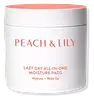
Water, Butylene Glycol, Glycerin, 1,2-Hexanediol, Betaine, Panthenol, Sodium Hyaluronate, Spinacia Oleracea Leaf Extract, Daucus Carota Sativa Root Extract, Brassica Oleracea Italica Extract, Brassica Oleracea Capitata Leaf Extract, Brassica Oleracea Acephala Leaf Extract, Ceramide NP, Hydroxyethyl Acrylate/Sodium Acryloyldimethyl Taurate Copolymer, Cetearyl Olivate, Allantoin, Punica Granatum Fruit Extract, Prunus Persica Fruit Extract, Lactobacillus/Soybean Ferment Extract, Hydrogenated Lecithin, Sorbitan Olivate, Ethylhexylglycerin, Xanthan Gum, Sodium Phytate, Sorbitan Isostearate, Sodium Citrate, Citric Acid, Opuntia Ficus-Indica Stem Extract, Bambusa Vulgaris Water, Caprylic/Capric Triglyceride, Phytosteryl/Octyldodecyl Lauroyl Glutamate, Pentylene Glycol, Caprylyl Glycol, Citrus Aurantium Bergamia Fruit Oil
Water
Skin ConditioningDipropylene Glycol
HumectantGlycereth-26
Humectant
Niacinamide
Smoothing




Glycerin
Humectant
1,2-Hexanediol
Skin Conditioning
Diphenyl Dimethicone
Emollient
Triethylhexanoin
MaskingHydroxyacetophenone
Antioxidant
Hydrogenated Lecithin
Emulsifying
Polyglyceryl-10 Oleate
Skin Conditioning
Centella Asiatica Extract
Cleansing
Dipotassium Glycyrrhizate
Humectant
Sodium Citrate
BufferingAllantoin
Skin Conditioning
Octyldodeceth-16
EmulsifyingCitric Acid
Buffering
Disodium EDTA
Polyglyceryl-10 Laurate
Skin Conditioning
Juniperus Virginiana Oil
Masking

Butylene Glycol
Humectant
Artemisia Vulgaris Oil
Perfuming
Pogostemon Cablin Leaf Oil
Masking
Madecassoside
Antioxidant
Rosmarinus Officinalis Leaf Oil
Masking
Viola Odorata Leaf Extract
MaskingCentella Asiatica Root Extract
Skin Conditioning
Centella Asiatica Leaf Extract
Skin Conditioning
Saccharomyces Ferment
Skin Conditioning
Mangifera Indica Fruit Extract
Skin ConditioningLactobacillus Ferment
Skin Conditioning
Asiaticoside
Antioxidant
Madecassic Acid
Skin Conditioning
Asiatic Acid
Skin Conditioning
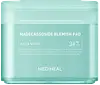
Water, Dipropylene Glycol, Glycereth-26, Niacinamide, Glycerin, 1,2-Hexanediol, Diphenyl Dimethicone, Triethylhexanoin, Hydroxyacetophenone, Hydrogenated Lecithin, Polyglyceryl-10 Oleate, Centella Asiatica Extract, Dipotassium Glycyrrhizate, Sodium Citrate, Allantoin, Octyldodeceth-16, Citric Acid, Disodium EDTA, Polyglyceryl-10 Laurate, Juniperus Virginiana Oil, Butylene Glycol, Artemisia Vulgaris Oil, Pogostemon Cablin Leaf Oil, Madecassoside, Rosmarinus Officinalis Leaf Oil, Viola Odorata Leaf Extract, Centella Asiatica Root Extract, Centella Asiatica Leaf Extract, Saccharomyces Ferment, Mangifera Indica Fruit Extract, Lactobacillus Ferment, Asiaticoside, Madecassic Acid, Asiatic Acid
Reviews
Ingredients Explained
These ingredients are found in both products.
Ingredients higher up in an ingredient list are typically present in a larger amount.
1,2-Hexanediol is a synthetic liquid and another multi-functional powerhouse.
It is a:
- Humectant, drawing moisture into the skin
- Emollient, helping to soften skin
- Solvent, dispersing and stabilizing formulas
- Preservative booster, enhancing the antimicrobial activity of other preservatives
Allantoin is a soothing ingredient known for its protective and moisturizing properties; it's basically a quiet workhorse ingredient you can find in a huge range of cosmetics.
Though it can be derived from the comfrey plant, allantoin is produced synthetically for cosmetic products to ensure purity.
Research shows it can encourage your skin cells to turn over and renew by stimulating keratinocyte and fibroblast proliferation.
It also has mild keratolytic properties to help loosen and shed dead skin cells without being harsh.
Studies also suggest allantoin can help calm inflammation by dialing down some of the chemical signals your skin sends out when it is irritated.
This ingredient is typically used in the 0.1-0.5% range, and the FDA recognizes it as a skin protectant in OTC products up to 2%.
Overall, allantoin is a wonderful addition to most routines; it is stable across a wide pH range (~4-8), works well with other ingredients, and is considered non-sensitizing/non-irritating.
Fun fact: Allantoin is naturally occurring in comfrey root, beets, chamomile, and wheat sprouts. Our bodies even produce it as a byproduct of uric acid metabolism.
Learn more about AllantoinButylene Glycol (or BG) is used within cosmetic products for a few different reasons:
Overall, Butylene Glycol is a safe and well-rounded ingredient that works well with other ingredients.
Though this ingredient works well with most skin types, some people with sensitive skin may experience a reaction such as allergic rashes, closed comedones, or itchiness.
Learn more about Butylene GlycolCitric Acid is an alpha hydroxy acid (AHA) naturally found in citrus fruits like oranges, lemons, and limes.
Like other AHAs, citric acid can exfoliate skin by breaking down the bonds that hold dead skin cells together. This helps reveal smoother and brighter skin underneath.
However, this exfoliating effect only happens at high concentrations (20%) which can be hard to find in cosmetic products.
Due to this, citric acid is usually included in small amounts as a pH adjuster. This helps keep products slightly more acidic and compatible with skin's natural pH.
In skincare formulas, citric acid can:
While it can provide some skin benefits, research shows lactic acid and glycolic acid are generally more effective and less irritating exfoliants.
Most citric acid used in skincare today is made by fermenting sugars (usually from molasses). This synthetic version is identical to the natural citrus form but easier to stabilize and use in formulations.
Read more about some other popular AHA's here:
Learn more about Citric AcidGlycerin (or glycerol) is a compound naturally found in your skin. It's a powerhouse humectant that pulls water into the stratum corneum.
Topically, glycerin does several things at once:
Your skin makes glycerin on its own (mostly from sebaceous oil breakdown) and shuttles it to your outermost layer of skin, or your epidermis, via aquaporin-3.
Aquaporin-3 is a transporter that is essential for normal skin hydration, elasticity, and repair. Interestingly, mice lacking in AQP3 have dry and less elastic skin that can be fully corrected with glycerin.
This ingredient is non-irritating, plays well with almost every ingredient, and works across all skin types. Typical use is anywhere between 3-10% but can go up to 79% in some leave-on products.
Just know very high concentrations (>40%) can feel tacky in low humidity.
Glycerin is the name for this ingredient in American English. British English uses Glycerol/Glycerine.
Learn more about GlycerinHydrogenated Lecithin is a more stable version of lecithin.
It's made by taking lecithin (a phospholipid commonly found in soybeans and egg yolks) and hydrogenating it. This just means the unsaturated fatty acids are turned into saturated ones so they don't go bad as easily.
This ingredient is an emollient, emulsifier, and penetration enhancer. As an emollient, it helps soften and hydrate skin by trapping moisture within. As an emulsifier, it prevents oil and water ingredients from separating.
Hydrogenated Lecithin can form tiny spherical structures made of phospholipid bilayers called liposomes. These liposomes are able to capture compounds inside their structure and deliver them through the skin barrier.
Because phospholipids are a natural component of our cell membranes, this ingredient is inherently compatible with skin.
A 2021 study found lecithin-based surfactants were less harsh and more tolerable comared to Sodium Lauryl Sulfate (SLS).
Learn more about Hydrogenated LecithinSodium Citrate is the sodium salts of citric acid. In skincare, it is used to alter pH levels and acts as a preservative.
Its main functions are to maintain the pH of a product and neutralize metal ions.
The acidity of our skin is maintained by our glands and skin biome; normal pH level of skin is slightly acidic (~4.75-5.5).
Being slightly acidic allows our skin to create an "acid mantle". This acid mantle is a thin barrier that protects our skin from bacteria and contaminants.
Learn more about Sodium CitrateWater. It's the most common cosmetic ingredient of all. You'll usually see it at the top of ingredient lists, meaning that it makes up the largest part of the product.
So why is it so popular? Water most often acts as a solvent - this means that it helps dissolve other ingredients into the formulation.
You'll also recognize water as that liquid we all need to stay alive. If you see this, drink a glass of water. Remember to stay hydrated!
Learn more about Water
