Peach & Lily Glass Skin Water-Gel Moisturizer Versus Peach Slices Redness Relief Color Correcting Moisturizer
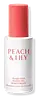
This calming moisturizer is formulated around Sodium Hyaluronate and Beta-Glucan to calm redness and hydrate skin.
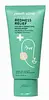
This calming moisturizer is formulated around Panthenol and Centella Asiatica Extract to calm redness and strengthen the skin barrier.

What's inside
What's inside
 Key Ingredients
Benefits
Concerns
Ingredients Side-by-side
Water
Skin ConditioningGlycerin
Humectant


Propanediol
Solvent
1,2-Hexanediol
Skin Conditioning
Calendula Officinalis Flower Water
Masking
Sodium Hyaluronate
Humectant


Hydrolyzed Hyaluronic Acid
Humectant
Actinidia Chinensis Fruit Extract
EmollientPrunus Persica Fruit Extract
Abrasive
Anthemis Nobilis Flower Water
Masking
Bambusa Textilis Stem Extract
Skin ConditioningArctium Lappa Root Extract
Skin Conditioning
Morus Alba Leaf Extract
Skin ConditioningMorus Alba Fruit Extract
Antioxidant
Leuconostoc/Radish Root Ferment Filtrate
Antimicrobial

Apium Graveolens Extract
Skin ConditioningLactobacillus Ferment
Skin Conditioning
Beta-Glucan
Skin Conditioning
Fructooligosaccharides
Humectant
Glycyrrhiza Glabra Root Extract
Bleaching

Sodium Acetylated Hyaluronate
Humectant
Myrciaria Dubia Fruit Extract
Skin ConditioningGanoderma Lucidum Extract
Skin Protecting
Butylene Glycol
Humectant
Melia Azadirachta Leaf Extract
Skin ConditioningMelia Azadirachta Flower Extract
Skin ConditioningAdenosine
Skin Conditioning
Trisodium Ethylenediamine Disuccinate
Carbomer
Emulsion StabilisingEthylhexylglycerin
Skin ConditioningMorus Alba Twig Extract
Skin ConditioningMorus Alba Bark Extract
Skin ConditioningTromethamine
BufferingXylose
HumectantTocopherol
Antioxidant
Water, Glycerin, Propanediol, 1,2-Hexanediol, Calendula Officinalis Flower Water, Sodium Hyaluronate, Hydrolyzed Hyaluronic Acid, Actinidia Chinensis Fruit Extract, Prunus Persica Fruit Extract, Anthemis Nobilis Flower Water, Bambusa Textilis Stem Extract, Arctium Lappa Root Extract, Morus Alba Leaf Extract, Morus Alba Fruit Extract, Leuconostoc/Radish Root Ferment Filtrate, Apium Graveolens Extract, Lactobacillus Ferment, Beta-Glucan, Fructooligosaccharides, Glycyrrhiza Glabra Root Extract, Sodium Acetylated Hyaluronate, Myrciaria Dubia Fruit Extract, Ganoderma Lucidum Extract, Butylene Glycol, Melia Azadirachta Leaf Extract, Melia Azadirachta Flower Extract, Adenosine, Trisodium Ethylenediamine Disuccinate, Carbomer, Ethylhexylglycerin, Morus Alba Twig Extract, Morus Alba Bark Extract, Tromethamine, Xylose, Tocopherol
Water
Skin ConditioningNeopentyl Glycol Diheptanoate
EmollientButylene Glycol
Humectant
Caprylic/Capric Triglyceride
Masking
Diethylhexyl Carbonate
EmollientCI 77891
Cosmetic ColorantIsopropyl Palmitate
Emollient


Glycerin
Humectant
Octyldodecanol
Emollient
Isoamyl Laurate
Emollient
Butylene Glycol Dicaprylate/Dicaprate
EmollientSodium Chloride
MaskingSynthetic Beeswax
Emulsion Stabilising
Isododecane
EmollientPolyglyceryl-4 Diisostearate/Polyhydroxystearate/Sebacate
Emulsifying
Polyglyceryl-6 Polyhydroxystearate
Emulsifying
Polyglyceryl-6 Polyricinoleate
Emulsifying
Microcrystalline Wax
Emulsion StabilisingMica
Cosmetic ColorantPanthenol
Skin Conditioning
Pantolactone
Humectant
Rhodomyrtus Tomentosa Fruit Extract
HumectantArtemisia Princeps Leaf Water
MaskingCentella Asiatica Extract
Cleansing
Aloe Barbadensis Leaf Extract
Emollient
Spinacia Oleracea Leaf Extract
Skin ConditioningBioflavonoids
Skin ConditioningBrassica Oleracea Italica Extract
Astringent1,2-Hexanediol
Skin Conditioning
Ascorbyl Palmitate
Antioxidant
Stearalkonium Hectorite
Gel FormingPolyglyceryl-3 Oleate
Emulsifying
Sodium Benzoate
Masking
Polyglyceryl-3 Diisostearate
Emulsifying
Spirulina Platensis Extract
Skin ProtectingBrassica Oleracea Acephala Leaf Extract
HumectantAllantoin
Skin Conditioning
Diisostearoyl Polyglyceryl-3 Dimer Dilinoleate
Emollient
Polyglycerin-6
HumectantDisteardimonium Hectorite
StabilisingPotassium Sorbate
Preservative
Propanediol
Solvent
Polyglyceryl-3 Polyricinoleate
Emulsifying
Triethoxycaprylylsilane

Disodium Stearoyl Glutamate
CleansingPropylene Carbonate
SolventPolyester-1
Silica Dimethyl Silylate
EmollientTrisodium Ethylenediamine Disuccinate
Ethylhexylglycerin
Skin ConditioningMalic Acid
Buffering

Aluminum Hydroxide
EmollientTocopherol
Antioxidant
Silica
Abrasive

CI 77288
Cosmetic ColorantCI 77491
Cosmetic ColorantCI 77492
Cosmetic ColorantWater, Neopentyl Glycol Diheptanoate, Butylene Glycol, Caprylic/Capric Triglyceride, Diethylhexyl Carbonate, CI 77891, Isopropyl Palmitate, Glycerin, Octyldodecanol, Isoamyl Laurate, Butylene Glycol Dicaprylate/Dicaprate, Sodium Chloride, Synthetic Beeswax, Isododecane, Polyglyceryl-4 Diisostearate/Polyhydroxystearate/Sebacate, Polyglyceryl-6 Polyhydroxystearate, Polyglyceryl-6 Polyricinoleate, Microcrystalline Wax, Mica, Panthenol, Pantolactone, Rhodomyrtus Tomentosa Fruit Extract, Artemisia Princeps Leaf Water, Centella Asiatica Extract, Aloe Barbadensis Leaf Extract, Spinacia Oleracea Leaf Extract, Bioflavonoids, Brassica Oleracea Italica Extract, 1,2-Hexanediol, Ascorbyl Palmitate, Stearalkonium Hectorite, Polyglyceryl-3 Oleate, Sodium Benzoate, Polyglyceryl-3 Diisostearate, Spirulina Platensis Extract, Brassica Oleracea Acephala Leaf Extract, Allantoin, Diisostearoyl Polyglyceryl-3 Dimer Dilinoleate, Polyglycerin-6, Disteardimonium Hectorite, Potassium Sorbate, Propanediol, Polyglyceryl-3 Polyricinoleate, Triethoxycaprylylsilane, Disodium Stearoyl Glutamate, Propylene Carbonate, Polyester-1, Silica Dimethyl Silylate, Trisodium Ethylenediamine Disuccinate, Ethylhexylglycerin, Malic Acid, Aluminum Hydroxide, Tocopherol, Silica, CI 77288, CI 77491, CI 77492
Reviews
Ingredients Explained
These ingredients are found in both products.
Ingredients higher up in an ingredient list are typically present in a larger amount.
1,2-Hexanediol is a synthetic liquid and another multi-functional powerhouse.
It is a:
- Humectant, drawing moisture into the skin
- Emollient, helping to soften skin
- Solvent, dispersing and stabilizing formulas
- Preservative booster, enhancing the antimicrobial activity of other preservatives
Butylene Glycol (or BG) is used within cosmetic products for a few different reasons:
Overall, Butylene Glycol is a safe and well-rounded ingredient that works well with other ingredients.
Though this ingredient works well with most skin types, some people with sensitive skin may experience a reaction such as allergic rashes, closed comedones, or itchiness.
Learn more about Butylene GlycolEthylhexylglycerin is created from glycerin. It is a multitasker ingredient that:
The CIR Expert Panel found minimal skin absorption or sensitization of any kind in a safety assessment. Though this ingredient is considered well-tolerated, a small number of cases of allergic dermatitis have been published since 2002. Just be sure to patch test if you are unsure.
Industry-reported use ranges from 8% in rinse-off products and 2% in leave-on formulations.
Learn more about EthylhexylglycerinGlycerin (or glycerol) is a compound naturally found in your skin. It's a powerhouse humectant that pulls water into the stratum corneum.
Topically, glycerin does several things at once:
Your skin makes glycerin on its own (mostly from sebaceous oil breakdown) and shuttles it to your outermost layer of skin, or your epidermis, via aquaporin-3.
Aquaporin-3 is a transporter that is essential for normal skin hydration, elasticity, and repair. Interestingly, mice lacking in AQP3 have dry and less elastic skin that can be fully corrected with glycerin.
This ingredient is non-irritating, plays well with almost every ingredient, and works across all skin types. Typical use is anywhere between 3-10% but can go up to 79% in some leave-on products.
Just know very high concentrations (>40%) can feel tacky in low humidity.
Glycerin is the name for this ingredient in American English. British English uses Glycerol/Glycerine.
Learn more about GlycerinPropanediol is an all-star ingredient. It softens, hydrates, and smooths the skin.
It’s often used to:
Propanediol is not likely to cause sensitivity and considered safe to use. It is derived from corn or petroleum with a clear color and no scent.
Learn more about PropanediolTocopherol is a fat-soluble antioxidant known as Vitamin E.
You'll find this ingredient in the vast majority of skincare (for good reason). It works to neutralize free radicals, or unstable molecules generated by UV exposure, pollution, and other environmental stressors, before they can cause oxidative damage to your skin cells.
Topically applied tocopherol has been shown to protect against UV damage by ramping up the skin's own natural defense enzymes.
It also acts as a skin conditioning agent; some studies show that regular topical use can improve the skin's water-binding capacity over 2-4 weeks.
This ingredient is especially loved for being a team player. When combined with Vitamin C, the photoprotective effect of both ingredients roughly doubles and the combo also helps reduce UV-induced DNA damage.
This ingredient has some brightening potential but it's more of a prevention ingredient than spot-fader. Cell studies show it can slow down melanin production but it's worth noting that it's not the most powerful brightener out there.
In formulations, it also serves as a stabilizer that helps protect other oxidation-prone ingredients from degrading.
Concentrations usually range from 0.1-1% in most leave-on products.
Learn more about TocopherolTrisodium Ethylenediamine Disuccinate is used to help stabilize a product.
It is a chelating agent, meaning it helps prevent metal ions from binding to other ingredients. This prevents unwanted reactions in products. Metal ions can come into a product via the water ingredient. They are found in trace amounts and are not known to be harmful.
Water. It's the most common cosmetic ingredient of all. You'll usually see it at the top of ingredient lists, meaning that it makes up the largest part of the product.
So why is it so popular? Water most often acts as a solvent - this means that it helps dissolve other ingredients into the formulation.
You'll also recognize water as that liquid we all need to stay alive. If you see this, drink a glass of water. Remember to stay hydrated!
Learn more about Water

