Paula's Choice Hydrating Treatment Mask Versus Paula's Choice Rescue & Repair Weightless Moisturizer

What's inside
What's inside
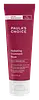 Key Ingredients
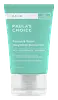
Benefits
Concerns
Ingredients Side-by-side
Water
Skin ConditioningPropylene Glycol Dicaprylate/Dicaprate
EmollientButylene Glycol
Humectant

Glycerin
Humectant
Sorbitan Stearate
Emulsifying
Caprylic/Capric Triglyceride
Masking
Cetearyl Alcohol
Emollient


Glyceryl Stearate
Emollient
Dicaprylyl Carbonate
EmollientEthyl Macadamiate
Skin Conditioning
Cyclopentasiloxane
Emollient
Cyclohexasiloxane
Emollient
Glyceryl Behenate/Eicosadioate
Emollient
Borago Officinalis Seed Oil
Emollient


Oenothera Biennis Oil
Emollient
Olea Europaea Fruit Oil
Masking
Prunus Armeniaca Fruit
AstringentGlycine Soja Sterols
Emollient
Tocopheryl Acetate
Antioxidant


Tocopherol
Antioxidant

Tetrahexyldecyl Ascorbate
Antioxidant


Ascorbyl Palmitate
Antioxidant
Linoleic Acid
Cleansing
Phospholipids
Skin Conditioning
Sodium Hyaluronate
Humectant
Retinyl Palmitate
Skin Conditioning
Sodium Dilauramidoglutamide Lysine
HumectantCetearyl Glucoside
Emulsifying
Sclerotium Gum
Emulsion StabilisingHectorite
AbsorbentCaprylyl Glycol
Emollient
Ethylhexylglycerin
Skin ConditioningPhenoxyethanol
Preservative
Water, Propylene Glycol Dicaprylate/Dicaprate, Butylene Glycol, Glycerin, Sorbitan Stearate, Caprylic/Capric Triglyceride, Cetearyl Alcohol, Glyceryl Stearate, Dicaprylyl Carbonate, Ethyl Macadamiate, Cyclopentasiloxane, Cyclohexasiloxane, Glyceryl Behenate/Eicosadioate, Borago Officinalis Seed Oil, Oenothera Biennis Oil, Olea Europaea Fruit Oil, Prunus Armeniaca Fruit, Glycine Soja Sterols, Tocopheryl Acetate, Tocopherol, Tetrahexyldecyl Ascorbate, Ascorbyl Palmitate, Linoleic Acid, Phospholipids, Sodium Hyaluronate, Retinyl Palmitate, Sodium Dilauramidoglutamide Lysine, Cetearyl Glucoside, Sclerotium Gum, Hectorite, Caprylyl Glycol, Ethylhexylglycerin, Phenoxyethanol
Water
Skin ConditioningGlycerin
Humectant
Caprylic/Capric Triglyceride
Masking
Stearic Acid
Cleansing
Triheptanoin
Skin ConditioningC13-16 Isoalkane
SolventButylene Glycol
Humectant
Propanediol
Solvent
Inulin
Skin Conditioning
Glyceryl Stearate
Emollient
Acrylates/C10-30 Alkyl Acrylate Crosspolymer
Emulsion StabilisingSqualane
Emollient
Ethylhexyl Stearate
Emollient
Sodium Hydroxide
BufferingCaprylyl Glycol
Emollient
Allantoin
Skin Conditioning
Sodium Phytate
Ethylhexylglycerin
Skin ConditioningHexylene Glycol
EmulsifyingAlpha-Glucan Oligosaccharide
Cleansing
Glycogen
HumectantLaminaria Digitata Extract
Skin Protecting
Albatrellus Confluens Extract
Humectant
Opuntia Ficus-Indica Stem Extract
Skin Conditioning
Galactoarabinan
Citric Acid
Buffering

Maltodextrin
Absorbent
Schizophyllan
HumectantAcetyl Hexapeptide-8
Humectant
Phenoxyethanol
Preservative
Potassium Sorbate
Preservative
Water, Glycerin, Caprylic/Capric Triglyceride, Stearic Acid, Triheptanoin, C13-16 Isoalkane, Butylene Glycol, Propanediol, Inulin, Glyceryl Stearate, Acrylates/C10-30 Alkyl Acrylate Crosspolymer, Squalane, Ethylhexyl Stearate, Sodium Hydroxide, Caprylyl Glycol, Allantoin, Sodium Phytate, Ethylhexylglycerin, Hexylene Glycol, Alpha-Glucan Oligosaccharide, Glycogen, Laminaria Digitata Extract, Albatrellus Confluens Extract, Opuntia Ficus-Indica Stem Extract, Galactoarabinan, Citric Acid, Maltodextrin, Schizophyllan, Acetyl Hexapeptide-8, Phenoxyethanol, Potassium Sorbate
Reviews
Ingredients Explained
These ingredients are found in both products.
Ingredients higher up in an ingredient list are typically present in a larger amount.
Butylene Glycol (or BG) is used within cosmetic products for a few different reasons:
Overall, Butylene Glycol is a safe and well-rounded ingredient that works well with other ingredients.
Though this ingredient works well with most skin types, some people with sensitive skin may experience a reaction such as allergic rashes, closed comedones, or itchiness.
Learn more about Butylene GlycolThis ingredient is a lightweight emollient, solvent, and texture enhancer. It is considered a skin-softener by helping the skin prevent moisture loss.
It helps thicken a product's formula and makes it easier to spread by dissolving clumping compounds.
Caprylic Triglyceride is made by combining glycerin with coconut oil, forming a clear liquid. Though it behaves like an oil, it is not technically one due to its chemical composition. It is very stable, resistant to oxidation, and unlikely to go rancid. In practice, that translates to a long shelf life and a consistently elegant skin feel.
While there is an assumption Caprylic Triglyceride can clog pores due to it being derived from coconut oil, there is no research supporting this. Be sure to patch test if you have concerns.
Fractionated coconut oil and MCT Oil are both listed as Caprylic/Capric Triglyceride according to INCI. This is because INCI names are based on the ingredient’s final chemical composition and not its marketing name or source.
Learn more about Caprylic/Capric TriglycerideCaprylyl Glycol is a humectant, skin conditioner, emollient, and preservative booster derived from either caprylic acid or synthetically created.
Typical use levels vary from 0.3-1% as a preservative booster and go up to 2% to condition skin.
Because it is not a free-fatty acid or alcohol, this ingredient is fungal acne safe (there's nothing for Malassezia to feed on).
Learn more about Caprylyl GlycolEthylhexylglycerin is created from glycerin. It is a multitasker ingredient that:
The CIR Expert Panel found minimal skin absorption or sensitization of any kind in a safety assessment. Though this ingredient is considered well-tolerated, a small number of cases of allergic dermatitis have been published since 2002. Just be sure to patch test if you are unsure.
Industry-reported use ranges from 8% in rinse-off products and 2% in leave-on formulations.
Learn more about EthylhexylglycerinGlycerin (or glycerol) is a compound naturally found in your skin. It's a powerhouse humectant that pulls water into the stratum corneum.
Topically, glycerin does several things at once:
Your skin makes glycerin on its own (mostly from sebaceous oil breakdown) and shuttles it to your outermost layer of skin, or your epidermis, via aquaporin-3.
Aquaporin-3 is a transporter that is essential for normal skin hydration, elasticity, and repair. Interestingly, mice lacking in AQP3 have dry and less elastic skin that can be fully corrected with glycerin.
This ingredient is non-irritating, plays well with almost every ingredient, and works across all skin types. Typical use is anywhere between 3-10% but can go up to 79% in some leave-on products.
Just know very high concentrations (>40%) can feel tacky in low humidity.
Glycerin is the name for this ingredient in American English. British English uses Glycerol/Glycerine.
Learn more about GlycerinGlyceryl Stearate is made by reacting glycerin with stearic acid (typically sourced from plant oils like palm or coconut). It's an emulsifier, emollient, and mild occlusive.
Emulsifiers help ingredients like oil and water stay mixed so your formula stays nicely blended and uniform in texture.
This ingredient is typically used in concentrations between 1-10%. Studies have found it to be non-sensitizing, non-phototoxic, and non-photoallergenic.
A close cousin of this ingredient is Glyceryl Stearate SE ("self-emulsifying"). This just has a small amount of sodium or potassium stearate added so it can emulsify without a co-emulsifier.
Since this ingredient is an ester of a C18 fatty acid, it may not be fungal acne safe. The Malassezia yeast can potentially metabolize within the C11-C24 range.
Fun fact: The human body also creates Glyceryl Stearate naturally.
Learn more about Glyceryl StearatePhenoxyethanol is a preservative that has germicide, antimicrobial, and aromatic properties. Studies show that phenoxyethanol can prevent microbial growth. By itself, it has a scent that is similar to that of a rose.
It's often used in formulations along with Caprylyl Glycol to preserve the shelf life of products.
Water. It's the most common cosmetic ingredient of all. You'll usually see it at the top of ingredient lists, meaning that it makes up the largest part of the product.
So why is it so popular? Water most often acts as a solvent - this means that it helps dissolve other ingredients into the formulation.
You'll also recognize water as that liquid we all need to stay alive. If you see this, drink a glass of water. Remember to stay hydrated!
Learn more about Water
