Papa Recipe Carrot Dark Spot Solution Cream Versus Pyunkang Yul ATO Moisturizing Soothing Gel Lotion
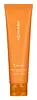
This brightening moisturizer is formulated around Niacinamide and Daucus Carota Sativa Root Extract to fade the look of dark spots and brighten dull-looking skin.
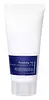
This calming moisturizer is formulated around Artemisia Annua Extract and Sodium Hyaluronate to calm redness and hydrate skin.

What's inside
What's inside
 Key Ingredients
Benefits
Concerns
Ingredients Side-by-side
Water
Skin ConditioningGlycerin
Humectant


Hydrogenated Polydecene
EmollientCaprylic/Capric Triglyceride
Masking
Dipropylene Glycol
HumectantNiacinamide
Smoothing









Cyclohexasiloxane
Emollient
Butyrospermum Parkii Butter
Skin Conditioning




Polyglyceryl-3 Methylglucose Distearate
Emulsifying
Cetyl Alcohol
Emollient
Butylene Glycol
Humectant
Betaine
Humectant
Glyceryl Stearate
Emollient
Behenyl Alcohol
Emollient
1,2-Hexanediol
Skin Conditioning
Polyglyceryl-10 Laurate
Skin Conditioning
Bisabolol
Antioxidant
Pentaerythrityl Distearate
Emulsifying
Vinyldimethicone
Daucus Carota Sativa Root Extract
Skin Conditioning
Hydroxyacetophenone
Antioxidant
Tranexamic Acid
Astringent
Polyquaternium-51
Skin Conditioning
Eclipta Prostrata Leaf Extract
Skin ConditioningLaminaria Japonica Extract
Skin Protecting
Ethylhexylglycerin
Skin ConditioningAdenosine
Skin Conditioning
Disodium EDTA
Sodium Hyaluronate
Humectant
Fructooligosaccharides
Humectant
Melia Azadirachta Flower Extract
Skin ConditioningHydrogenated Lecithin
Emulsifying
Melia Azadirachta Leaf Extract
Skin ConditioningBeta-Glucan
Skin Conditioning
Sodium Stearoyl Glutamate
CleansingHydroxyethyl Acrylate/Sodium Acryloyldimethyl Taurate Copolymer
Emulsion StabilisingOcimum Sanctum Leaf Extract
Skin ConditioningCurcuma Longa Root Extract
Antioxidant
Centella Asiatica Extract
Cleansing
Hydrolyzed Hyaluronic Acid
Humectant
Ficus Carica Fruit Extract
Humectant
Corallina Officinalis Extract
Skin Conditioning
Sorbitan Isostearate
Emulsifying
Ceramide NP
Skin Conditioning
Cyanocobalamin
Skin ConditioningTocopherol
Antioxidant
Glutathione
Methylpropanediol
SolventAcetyl Glucosamine
Skin Conditioning
Broussonetia Kazinoki Root Extract
Skin ConditioningPyrus Malus Fruit Extract
Skin Conditioning
Morus Alba Bark Extract
Skin ConditioningCamellia Japonica Leaf Extract
Skin ConditioningCamellia Sinensis Leaf Extract
Antimicrobial
Trifolium Pratense Extract
Skin ConditioningSalvia Miltiorrhiza Root Extract
Skin ConditioningGalactoarabinan
Tricholoma Matsutake Extract
Skin ConditioningWater, Glycerin, Hydrogenated Polydecene, Caprylic/Capric Triglyceride, Dipropylene Glycol, Niacinamide, Cyclohexasiloxane, Butyrospermum Parkii Butter, Polyglyceryl-3 Methylglucose Distearate, Cetyl Alcohol, Butylene Glycol, Betaine, Glyceryl Stearate, Behenyl Alcohol, 1,2-Hexanediol, Polyglyceryl-10 Laurate, Bisabolol, Pentaerythrityl Distearate, Vinyldimethicone, Daucus Carota Sativa Root Extract, Hydroxyacetophenone, Tranexamic Acid, Polyquaternium-51, Eclipta Prostrata Leaf Extract, Laminaria Japonica Extract, Ethylhexylglycerin, Adenosine, Disodium EDTA, Sodium Hyaluronate, Fructooligosaccharides, Melia Azadirachta Flower Extract, Hydrogenated Lecithin, Melia Azadirachta Leaf Extract, Beta-Glucan, Sodium Stearoyl Glutamate, Hydroxyethyl Acrylate/Sodium Acryloyldimethyl Taurate Copolymer, Ocimum Sanctum Leaf Extract, Curcuma Longa Root Extract, Centella Asiatica Extract, Hydrolyzed Hyaluronic Acid, Ficus Carica Fruit Extract, Corallina Officinalis Extract, Sorbitan Isostearate, Ceramide NP, Cyanocobalamin, Tocopherol, Glutathione, Methylpropanediol, Acetyl Glucosamine, Broussonetia Kazinoki Root Extract, Pyrus Malus Fruit Extract, Morus Alba Bark Extract, Camellia Japonica Leaf Extract, Camellia Sinensis Leaf Extract, Trifolium Pratense Extract, Salvia Miltiorrhiza Root Extract, Galactoarabinan, Tricholoma Matsutake Extract
Water
Skin ConditioningButylene Glycol
Humectant
Glycerin
Humectant
Caprylic/Capric Triglyceride
Masking
1,2-Hexanediol
Skin Conditioning
Lonicera Japonica Flower Extract
Skin ConditioningArtemisia Annua Extract
Masking
Sodium Hyaluronate
Humectant
Camellia Sinensis Leaf Extract
Antimicrobial
Ceramide NP
Skin Conditioning
Acetic Acid
BufferingAmmonium Acryloyldimethyltaurate/Vp Copolymer
Glyceryl Stearate
Emollient
Acrylates/C10-30 Alkyl Acrylate Crosspolymer
Emulsion StabilisingArginine
Masking
Octyldodecanol
Emollient
Ethylhexylglycerin
Skin ConditioningWater, Butylene Glycol, Glycerin, Caprylic/Capric Triglyceride, 1,2-Hexanediol, Lonicera Japonica Flower Extract, Artemisia Annua Extract, Sodium Hyaluronate, Camellia Sinensis Leaf Extract, Ceramide NP, Acetic Acid, Ammonium Acryloyldimethyltaurate/Vp Copolymer, Glyceryl Stearate, Acrylates/C10-30 Alkyl Acrylate Crosspolymer, Arginine, Octyldodecanol, Ethylhexylglycerin
Reviews
Ingredients Explained
These ingredients are found in both products.
Ingredients higher up in an ingredient list are typically present in a larger amount.
1,2-Hexanediol is a synthetic liquid and another multi-functional powerhouse.
It is a:
- Humectant, drawing moisture into the skin
- Emollient, helping to soften skin
- Solvent, dispersing and stabilizing formulas
- Preservative booster, enhancing the antimicrobial activity of other preservatives
Butylene Glycol (or BG) is used within cosmetic products for a few different reasons:
Overall, Butylene Glycol is a safe and well-rounded ingredient that works well with other ingredients.
Though this ingredient works well with most skin types, some people with sensitive skin may experience a reaction such as allergic rashes, closed comedones, or itchiness.
Learn more about Butylene GlycolCamellia Sinensis Leaf Extract (tea extract) is one of the most well-researched plant extracts in skincare with an impressive resume.
Black tea, green tea, and oolong tea are all harvested from the Camellia Sinensis plant.
Studies show green tea extract and its catechins (like epigallocatechin gallate (EGCG)) help your skin cells product energy more efficiently and reducing the number of free-radicals that can damage your skin from the inside.
In lab-grown skin models, this translated to younger, healthier, and stronger skin.
There's also good sun protection data; researchers saw less DNA damage and redness on human skin when green tea was applied before UVB exposure. And the more they applied, the better the protection.
Needless to say, this ingredient shouldn't replace your sunscreen. But it is a great supportive ingredient that you can already find in many sunscreens and antioxidant serums.
A 2009 study found a 2% green tea lotion was effective for mild-to-moderate acne thanks to its anti-inflammatory and mild antimicrobial activity.
The quality of the extract matters a lot here:
Good extracts contain 50-90% catechins while lower quality ones are mostly there for marketing. We recommend reaching out to the brand if you have questions about the quality or source of their ingredients.
Human Repeated Insult Patch Testing showed no irritation or sensitization at use concentrations (0.86% in leave-on products and up to 30% as leaf water).
Learn more about Camellia Sinensis Leaf ExtractCaprylic/Capric Triglyceride (aka MCT Oil) is a lightweight emollient, solvent, and texture enhancer. It is considered a skin-softener by helping to prevent moisture loss.
Though it behaves like an oil, it is not technically one due to its chemical composition. One perk of this ingredient is that it is very stable, resistant to oxidation, and unlikely to go rancid.
In practice, that translates to a long shelf life and a consistently elegant skin feel.
While there is an assumption Caprylic Triglyceride can clog pores due to it being derived from coconut oil, there is no research supporting this. Just patch test if you have concerns.
Fractionated coconut oil and MCT Oil are both listed as Caprylic/Capric Triglyceride according to INCI. This is because INCI names are based on the ingredient’s final chemical composition and not its marketing name or source.
This ingredient is treated as the gold standard fungal acne safe oil. Even though it is coconut derived, the problematic lauric acid is stripped out.
This leaves just caprylic (C8) and capric (C10) acid. These chain lengths actually trend antifungal; a 2020 study found caprylic acid was enough to disrupt Malassezia furfur cell membrane, with a caprylic acid derivative damaging membrane structures at concentrations as low as 0.2%.
Learn more about Caprylic/Capric TriglycerideCeramide NP (formerly known as Ceramide 3) is one of the skin's naturally occurring lipids.
Since ceramides are the major lipid components of the skin, they are crucial for maintaining skin barrier and hydration. Ceramide NP most closely mirrors the dominant kind in human skin amongst ceramide subtypes.
This ceramide works by slotting into gaps within the stratum corneum's lipid matrix to limit trans-epidermal water loss (TEWL) and shield the skin against external irritants.
A study with 312 patients found that using a ceramide-containing routine for 4 weeks reduced the severity of atopic dermatitis by over 61%.
Another clinical study in subjects aged 60 and older found that a ceramide body wash and moisturizer improved skin dryness and itchy skin in 15 days.
Overall, ceramides are considered non-irritating and safety tests have found little to no observable adverse effects from using this ingredient.
Ceramide NP is usually sourced from plants (like soybean or rice bran), or produced synthetically.
Learn more about Ceramide NPEthylhexylglycerin is created from glycerin. It is a multitasker ingredient that:
The CIR Expert Panel found minimal skin absorption or sensitization of any kind in a safety assessment. Though this ingredient is considered well-tolerated, a small number of cases of allergic dermatitis have been published since 2002. Just be sure to patch test if you are unsure.
Industry-reported use ranges from 8% in rinse-off products and 2% in leave-on formulations.
Learn more about EthylhexylglycerinGlycerin (or glycerol) is a compound naturally found in your skin. It's a powerhouse humectant that pulls water into the stratum corneum.
Topically, glycerin does several things at once:
Your skin makes glycerin on its own (mostly from sebaceous oil breakdown) and shuttles it to your outermost layer of skin, or your epidermis, via aquaporin-3.
Aquaporin-3 is a transporter that is essential for normal skin hydration, elasticity, and repair. Interestingly, mice lacking in AQP3 have dry and less elastic skin that can be fully corrected with glycerin.
This ingredient is non-irritating, plays well with almost every ingredient, and works across all skin types. Typical use is anywhere between 3-10% but can go up to 79% in some leave-on products.
Just know very high concentrations (>40%) can feel tacky in low humidity.
Glycerin is the name for this ingredient in American English. British English uses Glycerol/Glycerine.
Learn more about GlycerinGlyceryl Stearate is made by reacting glycerin with stearic acid (typically sourced from plant oils like palm or coconut). It's an emulsifier, emollient, and mild occlusive.
Emulsifiers help ingredients like oil and water stay mixed so your formula stays nicely blended and uniform in texture.
This ingredient is typically used in concentrations between 1-10%. Studies have found it to be non-sensitizing, non-phototoxic, and non-photoallergenic.
A close cousin of this ingredient is Glyceryl Stearate SE ("self-emulsifying"). This just has a small amount of sodium or potassium stearate added so it can emulsify without a co-emulsifier.
Since this ingredient is an ester of a C18 fatty acid, it may not be fungal acne safe. The Malassezia yeast can potentially metabolize within the C11-C24 range.
Fun fact: The human body also creates Glyceryl Stearate naturally.
Learn more about Glyceryl StearateSodium Hyaluronate is the salt form of hyaluronic acid. It is a long sugar chain that is naturally found in your skin, joints, and connective tissue that maintains hydration and elasticity.
In skincare, it works as a humectant. It pulls water from the environment and deeper layers of skin and binds it to the surface.
Interestingly, the size of the molecule affects its behavior:
Some clinical evidence links low molecular weight versions to improved wrinkle depth, elasticity, anti-inflammatory effects, and barrier repair.
Many serums use a blend of both weights so you can get surface hydration plus longer-lasting and deeper effects.
You'll typically see concentrations between 0.1-2% for this ingredient.
Learn more about Sodium HyaluronateWater. It's the most common cosmetic ingredient of all. You'll usually see it at the top of ingredient lists, meaning that it makes up the largest part of the product.
So why is it so popular? Water most often acts as a solvent - this means that it helps dissolve other ingredients into the formulation.
You'll also recognize water as that liquid we all need to stay alive. If you see this, drink a glass of water. Remember to stay hydrated!
Learn more about Water


