
What's inside
What's inside
 Key Ingredients
Benefits
Concerns
Ingredients Side-by-side
Water
Skin ConditioningC13-15 Alkane
SolventEthylhexyl Olivate
Skin Conditioning

Polyacrylate-13
Glycerin
Humectant


Squalane
Emollient
Brassica Campestris/Aleurites Fordi Oil Copolymer
Skin Conditioning
Beta Vulgaris Root Extract
Skin ConditioningArtocarpus Heterophyllus Fruit Extract
Skin ConditioningTocopherol
Antioxidant




Dimethicone
Emollient
Cetearyl Alcohol
Emollient




Arginine
Masking
Polysorbate 20
Emulsifying
Sorbitan Isostearate
Emulsifying
Ethylhexylglycerin
Skin ConditioningCaprylic/Capric Triglyceride
Masking
Polyisobutene
Lactobacillus Ferment
Skin Conditioning
Parfum
Masking


Trisodium Ethylenediamine Disuccinate
ChelatingPhenoxyethanol
Preservative
Citric Acid
Buffering
Limonene
Perfuming
Alpha-Isomethyl Ionone
Perfuming
Geraniol
Perfuming
Hydroxycitronellal
Perfuming
Linalool
Perfuming
Citronellol
Perfuming
Cinnamyl Alcohol
Perfuming
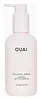
Water, C13-15 Alkane, Ethylhexyl Olivate, Polyacrylate-13, Glycerin, Squalane, Brassica Campestris/Aleurites Fordi Oil Copolymer, Beta Vulgaris Root Extract, Artocarpus Heterophyllus Fruit Extract, Tocopherol, Dimethicone, Cetearyl Alcohol, Arginine, Polysorbate 20, Sorbitan Isostearate, Ethylhexylglycerin, Caprylic/Capric Triglyceride, Polyisobutene, Lactobacillus Ferment, Parfum, Trisodium Ethylenediamine Disuccinate, Phenoxyethanol, Citric Acid, Limonene, Alpha-Isomethyl Ionone, Geraniol, Hydroxycitronellal, Linalool, Citronellol, Cinnamyl Alcohol
Water
Skin ConditioningEthylhexyl Stearate
Emollient
Propylene Glycol Dibenzoate
Skin ConditioningPPG-3 Benzyl Ether Myristate
EmollientHelianthus Annuus Seed Oil
Emollient
Isohexadecane
EmollientQuaternium-91
Isoamyl Laurate
Emollient
Polyquaternium-4
Hydroxypropyl Guar
Emulsion StabilisingHydrogenated Castor Oil/Sebacic Acid Copolymer
Emollient
Isododecane
EmollientC13-15 Alkane
SolventLinoleamidopropyl Ethyldimonium Ethosulfate
Linoleamidopropyl Dimethylamine Dimer Dilinoleate
Skin ConditioningAmaranthus Caudatus Seed Extract
Skin Conditioning
Parfum
Masking
Diisostearyl Malate
EmollientHydroxyethylcellulose
Emulsion StabilisingGlycerin
Humectant
Phytosteryl/Octyldodecyl Lauroyl Glutamate
Skin ConditioningSodium PCA
Humectant
PCA Ethyl Cocoyl Arginate
Moisturising
Arginine
Masking
Glycine
Buffering
Alanine
Masking
Serine
Masking
Valine
MaskingIsoleucine
Skin ConditioningProline
Skin Conditioning
Threonine
Histidine
Humectant
Phenylalanine
Masking
Hydroxyacetophenone
Antioxidant
Trisodium Ethylenediamine Disuccinate
ChelatingCaprylyl Glycol
Emollient
Glycolic Acid
Buffering




Aspartic Acid
Masking
Sodium Lactate
Buffering
Ethyl Lauroyl Arginate Hcl
Skin ConditioningZea Mays Starch
Absorbent
Hydrolyzed Soy Protein
Humectant
Stearamidopropyl Dimethylamine
EmulsifyingPentylene Glycol
Skin Conditioning
Gluconolactone
Chelating
Propanediol
Solvent
Cynara Scolymus Leaf Extract
Skin ConditioningCitronellol
Perfuming
Alpha-Isomethyl Ionone
Perfuming
Geraniol
Perfuming
Hydroxycitronellal
Perfuming
Citral
Perfuming
Limonene
Perfuming
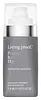
Water, Ethylhexyl Stearate, Propylene Glycol Dibenzoate, PPG-3 Benzyl Ether Myristate, Helianthus Annuus Seed Oil, Isohexadecane, Quaternium-91, Isoamyl Laurate, Polyquaternium-4, Hydroxypropyl Guar, Hydrogenated Castor Oil/Sebacic Acid Copolymer, Isododecane, C13-15 Alkane, Linoleamidopropyl Ethyldimonium Ethosulfate, Linoleamidopropyl Dimethylamine Dimer Dilinoleate, Amaranthus Caudatus Seed Extract, Parfum, Diisostearyl Malate, Hydroxyethylcellulose, Glycerin, Phytosteryl/Octyldodecyl Lauroyl Glutamate, Sodium PCA, PCA Ethyl Cocoyl Arginate, Arginine, Glycine, Alanine, Serine, Valine, Isoleucine, Proline, Threonine, Histidine, Phenylalanine, Hydroxyacetophenone, Trisodium Ethylenediamine Disuccinate, Caprylyl Glycol, Glycolic Acid, Aspartic Acid, Sodium Lactate, Ethyl Lauroyl Arginate Hcl, Zea Mays Starch, Hydrolyzed Soy Protein, Stearamidopropyl Dimethylamine, Pentylene Glycol, Gluconolactone, Propanediol, Cynara Scolymus Leaf Extract, Citronellol, Alpha-Isomethyl Ionone, Geraniol, Hydroxycitronellal, Citral, Limonene
Reviews
Ingredients Explained
These ingredients are found in both products.
Ingredients higher up in an ingredient list are typically present in a larger amount.
Alpha-Isomethyl Ionone is a fragrance. It can be synthetically created or naturally occurring.
The scent of Alpha-Isomethyl Ionone is described as "flowery" but can also be "woody".
Naturally occurring Alpha-Isomethyl Ionone may be found in Saccharomyces cerevisiae, or the yeast used to make wine and bread.
The term 'fragrance' is not regulated in many countries. In many cases, it is up to the brand to define this term. For instance, many brands choose to label themselves as "fragrance-free" because they are not using synthetic fragrances. However, their products may still contain ingredients such as essential oils that are considered a fragrance.
Learn more about Alpha-Isomethyl IononeArginine is a semi-essential amino acid. This just means our bodies can product a bit on its own, but sometimes needs a little boost from food sources.
It is a part of your skin's natural moisturizing factor (NMF), or the water-loving molecules in your outermost layer of skin (stratum corneum) that keeps everything hydrated and happy.
Here's an interesting thing about Arginine: your skin converts it into urea through the Krebs-Henseleit urea cycle. Urea is one of the most effective humectants your skin naturally produces.
A clinical study showed applying 2.5% arginine hydrochloride to atopic dermatitis skin showed significant urea levels in the stratum corneum and improved moisture in just four weeks.
Arginine is also a precursor to nitric oxide; nitric oxide improves microcirculation and supports wound healing and collagen synthesis.
One study found that an amino acid complex containing Arginine reduced skin irritation, improved hydration, and accelerated skin repair in clinical / in-vivo studies.
Arginine itself is an amino acid and not a fatty acid, oil, or ester. On its own, it's not a direct food source for Malassezia, or the yeast that causes fungal acne.
Learn more about ArginineC13-15 Alkane is a group of alkanes with 13 to 15 carbon atoms in the alkyl chain.
It is a solvent and texture enhancer. Solvents are used to keep ingredients together in a product. They can help dissolve ingredients to stable bases or help evenly distribute ingredients throughout the product.
Citronellol is used to add fragrance/parfum to a product. It is often derived from plants such as roses. In fact, it can be found in many essential oils including geranium, lavender, neroli, and more. The scent of Citronellol is often described as "fresh, grassy, and citrus-like".
Since the Citronellol molecule is already unstable, Citronellol becomes irritating on the skin when exposed to air.
Citronellol is a modified terpene. Terpenes are unsaturated hydrocarbons found in plants. They make up the primary part of essential oils.
Citronellol is not able to be absorbed into deeper layers of the skin. It has low permeability,
Citronellol is also a natural insect repellent.
Learn more about CitronellolGeraniol is used to add fragrance/parfum to a product. It is the main component of citronellol. It is a monoterpenoid and an alcohol.
Monoterpenes are naturally found in many parts of different plants.
Geraniol can be found in many essential oils including Rose Oil and Citronella Oil. The scent of Geraniol is often described as "rose-like". Many foods also contain Geraniol for fruit flavoring.
Geraniol can irritate the skin when exposed to air. However, irritation depends on the ability of geraniol to penetrate into the skin. In general, geraniol is not able to penetrate skin easily.
Geraniol is colorless and has low water-solubility. However, it is soluble in common organic solvents.
Like citronellol, it is a natural insect repellent.
2,6-Octadien-1-ol, 3,7-dimethyl-, (2E)-
Learn more about GeraniolGlycerin (or glycerol) is a compound naturally found in your skin. It's a powerhouse humectant that pulls water into the stratum corneum.
Topically, glycerin does several things at once:
Your skin makes glycerin on its own (mostly from sebaceous oil breakdown) and shuttles it to your outermost layer of skin, or your epidermis, via aquaporin-3.
Aquaporin-3 is a transporter that is essential for normal skin hydration, elasticity, and repair. Interestingly, mice lacking in AQP3 have dry and less elastic skin that can be fully corrected with glycerin.
This ingredient is non-irritating, plays well with almost every ingredient, and works across all skin types. Typical use is anywhere between 3-10% but can go up to 79% in some leave-on products.
Just know very high concentrations (>40%) can feel tacky in low humidity.
Glycerin is the name for this ingredient in American English. British English uses Glycerol/Glycerine.
Learn more about GlycerinHydroxycitronellal is a fragrance created from citronellal. The smell of hydroxycitronellal is often described as "citrus-like" or "melon-like".
Hydroxycitronellal is a known EU allergen and may cause irritation when applied to the skin.
Limonene is the compound that gives citrus peel its smell.
In skincare, it shows up as a standalone fragrance ingredient or as a natural compound of citrus and other essential oils.
You'll typically see this ingredient used in very small amounts; anything above 0.001% in a leave-on product or 0.01% in a rinse-off has to be named on the label in the EU. The citrus oils that carry it sit around 0.5-1% in a finished formula.
Fresh limonene is a weak allergen; the real issue is that it slowly reacts with air and then breaks down from oxidation to create hydroperoxides (which are strong sensitizers). This is why suppliers are required to keep the peroxide value below 20 mmol.
Positive reactions in people being investigated for eczema vary:
It's worth skipping if you have a known fragrance allergy or a compromised barrier, but the risk is low for most people.
Older or long-opened products are also more likely to bother you than fresh ones due to oxidation.
Learn more about LimoneneParfum is a catch-all term for an ingredient or more that is used to give a scent to products.
Also called "fragrance", this ingredient can be a blend of hundreds of chemicals or plant oils. This means every product with "fragrance" or "parfum" in the ingredients list is a different mixture.
For instance, Habanolide is a proprietary trade name for a specific aroma chemical. When used as a fragrance ingredient in cosmetics, most aroma chemicals fall under the broad labeling category of “FRAGRANCE” or “PARFUM” according to EU and US regulations.
The term 'parfum' or 'fragrance' is not regulated in many countries. In many cases, it is up to the brand to define this term.
For instance, many brands choose to label themselves as "fragrance-free" because they are not using synthetic fragrances. However, their products may still contain ingredients such as essential oils that are considered a fragrance by INCI standards.
One example is Calendula flower extract. Calendula is an essential oil that still imparts a scent or 'fragrance'.
Depending on the blend, the ingredients in the mixture can cause allergies and sensitivities on the skin. Some ingredients that are known EU allergens include linalool and citronellol.
Parfum can also be used to mask or cover an unpleasant scent.
The bottom line is: not all fragrances/parfum/ingredients are created equally. If you are worried about fragrances, we recommend taking a closer look at an ingredient. And of course, we always recommend speaking with a professional.
Learn more about ParfumTrisodium Ethylenediamine Disuccinate is used to help stabilize a product.
It is a chelating agent, meaning it helps prevent metal ions from binding to other ingredients. This prevents unwanted reactions in products. Metal ions can come into a product via the water ingredient. They are found in trace amounts and are not known to be harmful.
Water. It's the most common cosmetic ingredient of all. You'll usually see it at the top of ingredient lists, meaning that it makes up the largest part of the product.
So why is it so popular? Water most often acts as a solvent - this means that it helps dissolve other ingredients into the formulation.
You'll also recognize water as that liquid we all need to stay alive. If you see this, drink a glass of water. Remember to stay hydrated!
Learn more about Water

