#OOTD (oxygen of the day) Intensive Face Serum Versus Sungboon Editor Active Marine Astaxanthin Capsule Serum
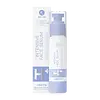
This hydrating serum is formulated around Hydrolyzed Hyaluronic Acid and Hydrolyzed Sodium Hyaluronate to hydrate skin.
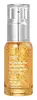
This brightening serum is formulated around Hippophae Rhamnoides Fruit Extract and Niacinamide to brighten dull-looking skin and soften the look of wrinkles.

What's inside
What's inside
 Key Ingredients
Benefits
Concerns
Ingredients Side-by-side
Water
Skin ConditioningGlycereth-26
Humectant
Glycerin
Humectant

Caprylic/Capric Triglyceride
Masking
Polypropylsilsesquioxane

1,2-Hexanediol
Skin Conditioning
C14-22 Alcohols
Emulsion Stabilising
C12-20 Alkyl Glucoside
EmulsifyingGlucose
Humectant
Butylene Glycol
Humectant
Hydrolyzed Corn Starch
HumectantSucrose
Humectant
Parfum
Masking




Hydroxyethyl Acrylate/Sodium Acryloyldimethyl Taurate Copolymer
Emulsion StabilisingSorbitan Isostearate
Emulsifying
Cetearyl Olivate
Sorbitan Olivate
Emulsifying
Ammonium Acryloyldimethyltaurate/Vp Copolymer
Ethylhexylglycerin
Skin ConditioningXanthan Gum
EmulsifyingAscorbic Acid
Antioxidant





Sodium Acetylated Hyaluronate
Humectant
Hydrolyzed Hyaluronic Acid
Humectant
Sodium Hyaluronate Crosspolymer
Humectant
Hydrolyzed Sodium Hyaluronate
Skin Conditioning
Potassium Hyaluronate
Skin ConditioningWater, Glycereth-26, Glycerin, Caprylic/Capric Triglyceride, Polypropylsilsesquioxane, 1,2-Hexanediol, C14-22 Alcohols, C12-20 Alkyl Glucoside, Glucose, Butylene Glycol, Hydrolyzed Corn Starch, Sucrose, Parfum, Hydroxyethyl Acrylate/Sodium Acryloyldimethyl Taurate Copolymer, Sorbitan Isostearate, Cetearyl Olivate, Sorbitan Olivate, Ammonium Acryloyldimethyltaurate/Vp Copolymer, Ethylhexylglycerin, Xanthan Gum, Ascorbic Acid, Sodium Acetylated Hyaluronate, Hydrolyzed Hyaluronic Acid, Sodium Hyaluronate Crosspolymer, Hydrolyzed Sodium Hyaluronate, Potassium Hyaluronate
Hippophae Rhamnoides Fruit Extract
Skin Conditioning
Water
Skin ConditioningGlycerin
Humectant
Propanediol
Solvent
Niacinamide
Smoothing



Caprylic/Capric Triglyceride
Masking
Dipropylene Glycol
HumectantC12-15 Pareth-9
EmulsifyingAstaxanthin
Skin Conditioning
Commiphora Abyssinica Gum Oil
Perfuming

Helianthus Annuus Seed Oil
Emollient
Xanthan Gum
EmulsifyingHydrolyzed Collagen
Emollient
Hydrolyzed Pearl
Skin ConditioningCopper Tripeptide-1
Skin Conditioning
Palmitoyl Tetrapeptide-7
Skin Conditioning
Palmitoyl Tripeptide-1
Skin Conditioning
Benzyl Glycol
SolventSodium Hyaluronate
Humectant
Hydrolyzed Hyaluronic Acid
Humectant
Pvp
Emulsion StabilisingSodium Acetylated Hyaluronate
Humectant
Glyceryl Glucoside
Humectant
Carbomer
Emulsion StabilisingBiota Orientalis Leaf Extract
HumectantZanthoxylum Piperitum Fruit Extract
Skin ConditioningPolygonum Cuspidatum Root Extract
Antioxidant
Sclerotium Gum
Emulsion StabilisingBacillus/Folic Acid/Soybean Ferment Extract
Skin ConditioningRosmarinus Officinalis Leaf Extract
AntimicrobialButylene Glycol
Humectant
Betaine
Humectant
Beta-Glucan
Skin Conditioning
Arginine
Masking
Adenosine
Skin Conditioning
Tranexamic Acid
Astringent
Glutathione
Tocopherol
Antioxidant
Bisabolol
Antioxidant
Ceramide NP
Skin Conditioning
Beta-Carotene
Skin ConditioningXanthophylls
Skin ConditioningFullerenes
AntimicrobialFerulic Acid
Antimicrobial
Pentylene Glycol
Skin Conditioning
Hydrogenated Lecithin
Emulsifying
Caprylyl Glycol
Emollient
Polyglyceryl-10 Diisostearate
Emulsifying
Sodium Polyacrylate
Absorbent
Agar
Masking1,2-Hexanediol
Skin Conditioning
Ethylhexylglycerin
Skin ConditioningHippophae Rhamnoides Fruit Extract, Water, Glycerin, Propanediol, Niacinamide, Caprylic/Capric Triglyceride, Dipropylene Glycol, C12-15 Pareth-9, Astaxanthin, Commiphora Abyssinica Gum Oil, Helianthus Annuus Seed Oil, Xanthan Gum, Hydrolyzed Collagen, Hydrolyzed Pearl, Copper Tripeptide-1, Palmitoyl Tetrapeptide-7, Palmitoyl Tripeptide-1, Benzyl Glycol, Sodium Hyaluronate, Hydrolyzed Hyaluronic Acid, Pvp, Sodium Acetylated Hyaluronate, Glyceryl Glucoside, Carbomer, Biota Orientalis Leaf Extract, Zanthoxylum Piperitum Fruit Extract, Polygonum Cuspidatum Root Extract, Sclerotium Gum, Bacillus/Folic Acid/Soybean Ferment Extract, Rosmarinus Officinalis Leaf Extract, Butylene Glycol, Betaine, Beta-Glucan, Arginine, Adenosine, Tranexamic Acid, Glutathione, Tocopherol, Bisabolol, Ceramide NP, Beta-Carotene, Xanthophylls, Fullerenes, Ferulic Acid, Pentylene Glycol, Hydrogenated Lecithin, Caprylyl Glycol, Polyglyceryl-10 Diisostearate, Sodium Polyacrylate, Agar, 1,2-Hexanediol, Ethylhexylglycerin
Reviews
Ingredients Explained
These ingredients are found in both products.
Ingredients higher up in an ingredient list are typically present in a larger amount.
1,2-Hexanediol is a synthetic liquid and another multi-functional powerhouse.
It is a:
- Humectant, drawing moisture into the skin
- Emollient, helping to soften skin
- Solvent, dispersing and stabilizing formulas
- Preservative booster, enhancing the antimicrobial activity of other preservatives
Butylene Glycol (or BG) is used within cosmetic products for a few different reasons:
Overall, Butylene Glycol is a safe and well-rounded ingredient that works well with other ingredients.
Though this ingredient works well with most skin types, some people with sensitive skin may experience a reaction such as allergic rashes, closed comedones, or itchiness.
Learn more about Butylene GlycolCaprylic/Capric Triglyceride (aka MCT Oil) is a lightweight emollient, solvent, and texture enhancer. It is considered a skin-softener by helping to prevent moisture loss.
Though it behaves like an oil, it is not technically one due to its chemical composition. One perk of this ingredient is that it is very stable, resistant to oxidation, and unlikely to go rancid.
In practice, that translates to a long shelf life and a consistently elegant skin feel.
While there is an assumption Caprylic Triglyceride can clog pores due to it being derived from coconut oil, there is no research supporting this. Just patch test if you have concerns.
Fractionated coconut oil and MCT Oil are both listed as Caprylic/Capric Triglyceride according to INCI. This is because INCI names are based on the ingredient’s final chemical composition and not its marketing name or source.
This ingredient is treated as the gold standard fungal acne safe oil. Even though it is coconut derived, the problematic lauric acid is stripped out.
This leaves just caprylic (C8) and capric (C10) acid. These chain lengths actually trend antifungal; a 2020 study found caprylic acid was enough to disrupt Malassezia furfur cell membrane, with a caprylic acid derivative damaging membrane structures at concentrations as low as 0.2%.
Learn more about Caprylic/Capric TriglycerideEthylhexylglycerin is created from glycerin. It is a multitasker ingredient that:
The CIR Expert Panel found minimal skin absorption or sensitization of any kind in a safety assessment. Though this ingredient is considered well-tolerated, a small number of cases of allergic dermatitis have been published since 2002. Just be sure to patch test if you are unsure.
Industry-reported use ranges from 8% in rinse-off products and 2% in leave-on formulations.
Learn more about EthylhexylglycerinGlycerin (or glycerol) is a compound naturally found in your skin. It's a powerhouse humectant that pulls water into the stratum corneum.
Topically, glycerin does several things at once:
Your skin makes glycerin on its own (mostly from sebaceous oil breakdown) and shuttles it to your outermost layer of skin, or your epidermis, via aquaporin-3.
Aquaporin-3 is a transporter that is essential for normal skin hydration, elasticity, and repair. Interestingly, mice lacking in AQP3 have dry and less elastic skin that can be fully corrected with glycerin.
This ingredient is non-irritating, plays well with almost every ingredient, and works across all skin types. Typical use is anywhere between 3-10% but can go up to 79% in some leave-on products.
Just know very high concentrations (>40%) can feel tacky in low humidity.
Glycerin is the name for this ingredient in American English. British English uses Glycerol/Glycerine.
Learn more about GlycerinHydrolyzed Hyaluronic Acid is hyaluronic acid (HA) that is broken down into lower molecular weight fragments.
It's a humectant that pulls and holds water in the skin to help with hydration, plumpness, and reduce transepidermal water loss.
Because hydrolyzed hyaluronic acid is smaller in size, it can slip past your outermost layer of skin more easily than full-sized HA.
Most formulations will combine all sizes to get the best of both worlds.
Typical usage levels range from 0.01-1%. Any percentage higher than 2% might become goopy and tacky.
Learn more about Hydrolyzed Hyaluronic AcidSodium Acetylated Hyaluronate is a type of Hyaluronic Acid.
Hyaluronic Acids help moisturize, soothe, and protect the skin.
Read about common types of Hyaluronic Acid here:
Learn more about Sodium Acetylated HyaluronateWater. It's the most common cosmetic ingredient of all. You'll usually see it at the top of ingredient lists, meaning that it makes up the largest part of the product.
So why is it so popular? Water most often acts as a solvent - this means that it helps dissolve other ingredients into the formulation.
You'll also recognize water as that liquid we all need to stay alive. If you see this, drink a glass of water. Remember to stay hydrated!
Learn more about WaterXanthan gum is used as a stabilizer and thickener within cosmetic products. It helps give products a sticky, thick feeling - preventing them from being too runny.
On the technical side of things, xanthan gum is a polysaccharide - a combination consisting of multiple sugar molecules bonded together.
Xanthan gum is a pretty common and great ingredient. It is a natural, non-toxic, non-irritating ingredient that is also commonly used in food products.
Learn more about Xanthan Gum

