

What's inside
What's inside
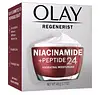 Key Ingredients

Benefits
Concerns
Ingredients Side-by-side
Water
Skin ConditioningGlycerin
Humectant



Niacinamide
Smoothing







Isohexadecane
EmollientDimethicone
Emollient
Isopropyl Alcohol
Solvent




Stearyl Alcohol
Emollient

Polyacrylamide
Panthenol
Skin Conditioning
Palmitoyl Pentapeptide-4
Skin Conditioning
Palmitoyl Dipeptide-7
Skin Conditioning
Sodium Hyaluronate
Humectant
C13-14 Isoparaffin
Emollient
Dimethiconol
Emollient
Caprylyl Glycol
Emollient
Laureth-7
EmulsifyingCetearyl Glucoside
EmulsifyingCetearyl Alcohol
Emollient
Stearic Acid
Cleansing
Palmitic Acid
Emollient
Cetyl Alcohol
Emollient
Behenyl Alcohol
Emollient
Disodium EDTA
Zea Mays Starch
AbsorbentPEG-100 Stearate
Titanium Dioxide
Cosmetic Colorant

1,2-Hexanediol
Skin Conditioning
Phenoxyethanol
Preservative
Parfum
Masking
Water, Glycerin, Niacinamide, Isohexadecane, Dimethicone, Isopropyl Alcohol, Stearyl Alcohol, Polyacrylamide, Panthenol, Palmitoyl Pentapeptide-4, Palmitoyl Dipeptide-7, Sodium Hyaluronate, C13-14 Isoparaffin, Dimethiconol, Caprylyl Glycol, Laureth-7, Cetearyl Glucoside, Cetearyl Alcohol, Stearic Acid, Palmitic Acid, Cetyl Alcohol, Behenyl Alcohol, Disodium EDTA, Zea Mays Starch, PEG-100 Stearate, Titanium Dioxide, 1,2-Hexanediol, Phenoxyethanol, Parfum
Water
Skin ConditioningButylene Glycol
Humectant
Propanediol
Solvent
Glycerin
Humectant
Dicaprylyl Carbonate
EmollientCaprylic/Capric Triglyceride
Masking
Dimethicone
Emollient
Phenoxyethanol
Preservative
Hydroxyethyl Acrylate/Sodium Acryloyldimethyl Taurate Copolymer
Emulsion StabilisingCaprylyl Glycol
Emollient
Squalane
Emollient
Phospholipids
Skin Conditioning
Lecithin
Emollient
Glycine Soja Oil
Emollient
Carbomer
Emulsion StabilisingPolysorbate 60
Emulsifying
Tocopheryl Acetate
Antioxidant

Ubiquinone
Antioxidant
Sodium Phytate
Glycolipids
Skin ConditioningSorbitan Isostearate
Emulsifying
Sodium Hydroxide
BufferingGlycine Soja Sterols
Emollient
Leuconostoc/Radish Root Ferment Filtrate
Antimicrobial
Hyaluronic Acid
Humectant
Tocopherol
Antioxidant
Palmitoyl Dipeptide-5 Diaminobutyroyl Hydroxythreonine
Skin Conditioning
Palmitoyl Dipeptide-5 Diaminohydroxybutyrate
Skin Conditioning
Water, Butylene Glycol, Propanediol, Glycerin, Dicaprylyl Carbonate, Caprylic/Capric Triglyceride, Dimethicone, Phenoxyethanol, Hydroxyethyl Acrylate/Sodium Acryloyldimethyl Taurate Copolymer, Caprylyl Glycol, Squalane, Phospholipids, Lecithin, Glycine Soja Oil, Carbomer, Polysorbate 60, Tocopheryl Acetate, Ubiquinone, Sodium Phytate, Glycolipids, Sorbitan Isostearate, Sodium Hydroxide, Glycine Soja Sterols, Leuconostoc/Radish Root Ferment Filtrate, Hyaluronic Acid, Tocopherol, Palmitoyl Dipeptide-5 Diaminobutyroyl Hydroxythreonine, Palmitoyl Dipeptide-5 Diaminohydroxybutyrate
Ingredients Explained
These ingredients are found in both products.
Ingredients higher up in an ingredient list are typically present in a larger amount.
Caprylyl Glycol is a humectant and emollient, meaning it attracts and preserves moisture.
It is a common ingredient in many products, especially those designed to hydrate skin. The primary benefits are retaining moisture, skin softening, and promoting a healthy skin barrier.
Though Caprylyl Glycol is an alcohol derived from fatty acids, it is not the kind that can dry out skin.
This ingredient is also used as a preservative to extend the life of products. It has slight antimicrobial properties.
Learn more about Caprylyl GlycolDimethicone is a type of synthetic silicone created from natural materials such as quartz.
What it does:
Dimethicone comes in different viscosities:
Depending on the viscosity, dimethicone has different properties.
Ingredients lists don't always show which type is used, so we recommend reaching out to the brand if you have questions about the viscosity.
This ingredient is unlikely to cause irritation because it does not get absorbed into skin. However, people with silicone allergies should be careful about using this ingredient.
Note: Dimethicone may contribute to pilling. This is because it is not oil or water soluble, so pilling may occur when layered with products. When mixed with heavy oils in a formula, the outcome is also quite greasy.
Learn more about DimethiconeGlycerin is already naturally found in your skin. It helps moisturize and protect your skin.
A study from 2016 found glycerin to be more effective as a humectant than AHAs and hyaluronic acid.
As a humectant, it helps the skin stay hydrated by pulling moisture to your skin. The low molecular weight of glycerin allows it to pull moisture into the deeper layers of your skin.
Hydrated skin improves your skin barrier; Your skin barrier helps protect against irritants and bacteria.
Glycerin has also been found to have antimicrobial and antiviral properties. Due to these properties, glycerin is often used in wound and burn treatments.
In cosmetics, glycerin is usually derived from plants such as soybean or palm. However, it can also be sourced from animals, such as tallow or animal fat.
This ingredient is organic, colorless, odorless, and non-toxic.
Glycerin is the name for this ingredient in American English. British English uses Glycerol/Glycerine.
Learn more about GlycerinPhenoxyethanol is a preservative that has germicide, antimicrobial, and aromatic properties. Studies show that phenoxyethanol can prevent microbial growth. By itself, it has a scent that is similar to that of a rose.
It's often used in formulations along with Caprylyl Glycol to preserve the shelf life of products.
Water. It's the most common cosmetic ingredient of all. You'll usually see it at the top of ingredient lists, meaning that it makes up the largest part of the product.
So why is it so popular? Water most often acts as a solvent - this means that it helps dissolve other ingredients into the formulation.
You'll also recognize water as that liquid we all need to stay alive. If you see this, drink a glass of water. Stay hydrated!
Learn more about Water
