Numbuzin Zero Blemish Oil-Free Micellar Cleansing Jelly Versus Dr.nineteen Sensinical Barrier Core Ampoule
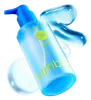
This mild gel cleanser is made to cleanse while calming and soothing your skin.
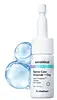
This barrier-repair ampoule is formulated around Niacinamide and Panthenol to strengthen the skin barrier and calm redness.

What's inside
What's inside
 Key Ingredients
Benefits
Concerns
No concerns
Ingredients Side-by-side
Centella Asiatica Leaf Water
Skin Conditioning


Water
Skin ConditioningDipropylene Glycol
HumectantPEG-6 Caprylic/Capric Glycerides
EmulsifyingButylene Glycol
Humectant
1,2-Hexanediol
Skin Conditioning
Carbomer
Emulsion StabilisingPoloxamer 184
EmulsifyingPolyglyceryl-4 Caprate
EmulsifyingArginine
Masking
Caprylyl Glycol
Emollient
Pentylene Glycol
Skin Conditioning
Hydroxyacetophenone
Antioxidant
Panthenol
Skin Conditioning
Allantoin
Skin Conditioning
Ethylhexylglycerin
Skin ConditioningSodium Phytate
ChelatingSodium Hyaluronate
Humectant

Ectoin
Skin Conditioning
Cynanchum Atratum Extract
Skin ConditioningGlycine
Buffering
Serine
Masking
Glutamic Acid
Humectant
Aspartic Acid
Masking
Leucine
Skin ConditioningBHT
Antioxidant
Alanine
Masking
Lysine
Skin ConditioningTyrosine
MaskingPhenylalanine
Masking
Proline
Skin Conditioning
Valine
MaskingThreonine
Isoleucine
Skin ConditioningHistidine
Humectant
Methionine
Skin ConditioningCysteine
Antioxidant
Centella Asiatica Extract
Cleansing
Beta-Glucan
Skin Conditioning
Asiatic Acid
Skin Conditioning
Asiaticoside
Antioxidant
Madecassic Acid
Skin Conditioning
Madecassoside
Antioxidant
Centella Asiatica Leaf Water, Water, Dipropylene Glycol, PEG-6 Caprylic/Capric Glycerides, Butylene Glycol, 1,2-Hexanediol, Carbomer, Poloxamer 184, Polyglyceryl-4 Caprate, Arginine, Caprylyl Glycol, Pentylene Glycol, Hydroxyacetophenone, Panthenol, Allantoin, Ethylhexylglycerin, Sodium Phytate, Sodium Hyaluronate, Ectoin, Cynanchum Atratum Extract, Glycine, Serine, Glutamic Acid, Aspartic Acid, Leucine, BHT, Alanine, Lysine, Tyrosine, Phenylalanine, Proline, Valine, Threonine, Isoleucine, Histidine, Methionine, Cysteine, Centella Asiatica Extract, Beta-Glucan, Asiatic Acid, Asiaticoside, Madecassic Acid, Madecassoside
Water
Skin ConditioningPropanediol
Solvent
Butylene Glycol
Humectant
Glycerin
Humectant
1,2-Hexanediol
Skin Conditioning
Niacinamide
Smoothing





Panthenol
Skin Conditioning
Ceramide NP
Skin Conditioning
Sodium Hyaluronate
Humectant
Beta-Glucan
Skin Conditioning
Hydrolyzed Hyaluronic Acid
Humectant
Xylose
HumectantHyaluronic Acid
Humectant
Butyrospermum Parkii Butter
Skin Conditioning




Limnanthes Alba Seed Oil
Skin Conditioning
Pentylene Glycol
Skin Conditioning
Polyglyceryl-10 Laurate
Skin Conditioning
Glycosyl Trehalose
Emulsion StabilisingHydrogenated Starch Hydrolysate
HumectantPolyquaternium-51
Skin Conditioning
Ethylhexylglycerin
Skin ConditioningAcrylates/C10-30 Alkyl Acrylate Crosspolymer
Emulsion StabilisingAdenosine
Skin Conditioning
Tromethamine
BufferingSodium Hyaluronate Crosspolymer
Humectant
Biosaccharide Gum-1
Humectant
Glyceryl Acrylate/Acrylic Acid Copolymer
HumectantSodium Phytate
ChelatingHydrolyzed Glycosaminoglycans
HumectantMaltodextrin
Absorbent
Benzyl Glycol
SolventPolyglutamic Acid
Skin Conditioning
Tocopherol
Antioxidant
Xanthan Gum
EmulsifyingGardenia Florida Fruit Extract
Skin ConditioningWater, Propanediol, Butylene Glycol, Glycerin, 1,2-Hexanediol, Niacinamide, Panthenol, Ceramide NP, Sodium Hyaluronate, Beta-Glucan, Hydrolyzed Hyaluronic Acid, Xylose, Hyaluronic Acid, Butyrospermum Parkii Butter, Limnanthes Alba Seed Oil, Pentylene Glycol, Polyglyceryl-10 Laurate, Glycosyl Trehalose, Hydrogenated Starch Hydrolysate, Polyquaternium-51, Ethylhexylglycerin, Acrylates/C10-30 Alkyl Acrylate Crosspolymer, Adenosine, Tromethamine, Sodium Hyaluronate Crosspolymer, Biosaccharide Gum-1, Glyceryl Acrylate/Acrylic Acid Copolymer, Sodium Phytate, Hydrolyzed Glycosaminoglycans, Maltodextrin, Benzyl Glycol, Polyglutamic Acid, Tocopherol, Xanthan Gum, Gardenia Florida Fruit Extract
Ingredients Explained
These ingredients are found in both products.
Ingredients higher up in an ingredient list are typically present in a larger amount.
1,2-Hexanediol is a synthetic liquid and another multi-functional powerhouse.
It is a:
- Humectant, drawing moisture into the skin
- Emollient, helping to soften skin
- Solvent, dispersing and stabilizing formulas
- Preservative booster, enhancing the antimicrobial activity of other preservatives
Beta-Glucan is a soluble polysaccharide (a chain of glucose sugars) sourced from the cells walls of oats, baker's yeast, mushrooms, and seaweed.
It's a rare ingredient that pulls double-duty as a heavy-duty hydrator and skin-soothing repair agent.
On the surface, it acts as a humectant that holds water in place and reduces moisture loss for a plumper, smoother feel, while its anti-inflammatory and antioxidant properties make it a great pick for calming redness or sensitive skin
The more interesting story is underneath:
Despite its large molecular size, oat beta-glucan has been shown to penetrate the epidermis and reach the dermis by slipping between skin cells. Here, it interacts with fibroblasts and macrophages to nudge collagen synthesis and support wound repair.
A small 2005 split-face clinical study of 27 subjects found topical beta-glucan produced measurable reductions in wrinkle depth, height, and roughness after 8 weeks of use.
It is worth noting the trial was small and the penetration testing used frozen, irradiated skin so the anti-aging data is encouraging rather than definitive.
This ingredient gets along with pretty much everything and is typically used around 0.1-1%.
Fungal acne: This ingredient is not a food source for the Malassezia yeast because it is a glucose polysaccharide with no fatty acid or ester component.
Learn more about Beta-GlucanButylene Glycol (or BG) is used within cosmetic products for a few different reasons:
Overall, Butylene Glycol is a safe and well-rounded ingredient that works well with other ingredients.
Though this ingredient works well with most skin types, some people with sensitive skin may experience a reaction such as allergic rashes, closed comedones, or itchiness.
Learn more about Butylene GlycolEthylhexylglycerin is created from glycerin. It is a multitasker ingredient that:
The CIR Expert Panel found minimal skin absorption or sensitization of any kind in a safety assessment. Though this ingredient is considered well-tolerated, a small number of cases of allergic dermatitis have been published since 2002. Just be sure to patch test if you are unsure.
Industry-reported use ranges from 8% in rinse-off products and 2% in leave-on formulations.
Learn more about EthylhexylglycerinPanthenol is a common ingredient that helps hydrate and soothe the skin. It is found naturally in our skin and hair.
There are two forms of panthenol: D and L.
D-panthenol is also known as dexpanthenol. Most cosmetics use dexpanthenol or a mixture of D and L-panthenol.
Panthenol is famous due to its ability to go deeper into the skin's layers. Using this ingredient has numerous pros (and no cons):
Like hyaluronic acid, panthenol is a humectant. Humectants are able to bind and hold large amounts of water to keep skin hydrated.
This ingredient works well for wound healing. It works by increasing tissue in the wound and helps close open wounds.
Once oxidized, panthenol converts to pantothenic acid. Panthothenic acid is found in all living cells.
This ingredient is also referred to as pro-vitamin B5.
Learn more about PanthenolPentylene Glycol (1,2-pentanediol) is a multitasking little diol with three main roles in a formula:
Research on alkanediols (the family pentylene glycol belongs to) show they work by disrupting microbial cell membranes. This disruption helps the primary preservative system in a product work more effectively at lower doses.
On the safety side, the Cosmetic Ingredient Review Expert Panel has concluded this ingredient to be safe as used in current cosmetic practices + concentrations.
Typical use levels in a formula run about 1-5%.
Learn more about Pentylene GlycolSodium Hyaluronate is the salt form of hyaluronic acid. It is a long sugar chain that is naturally found in your skin, joints, and connective tissue that maintains hydration and elasticity.
In skincare, it works as a humectant. It pulls water from the environment and deeper layers of skin and binds it to the surface.
Interestingly, the size of the molecule affects its behavior:
Some clinical evidence links low molecular weight versions to improved wrinkle depth, elasticity, anti-inflammatory effects, and barrier repair.
Many serums use a blend of both weights so you can get surface hydration plus longer-lasting and deeper effects.
You'll typically see concentrations between 0.1-2% for this ingredient.
Learn more about Sodium HyaluronateSodium Phytate is the sodium salt of Phytic acid, a compound that plants store phosphorus in. It's the plant-derived alternative to ingredients like Disodium EDTA.
In skincare, this ingredient is a chelator that grabs onto trace metal ions like iron and copper that sneak into formulas through water/raw materials.
Those metals speed up oxidation so binding them keeps oils, fragrance, and actives from going off, stops color changes, and helps the preservative system work harder.
Survey data shows usage levels range from 0.0099%-0.5% in leave-on products, 0.025%-0.3% in rinse-off, and up to 0.05% in eye-area products. Suppliers typically recommend a range between 0.05-0.5%.
Learn more about Sodium PhytateWater. It's the most common cosmetic ingredient of all. You'll usually see it at the top of ingredient lists, meaning that it makes up the largest part of the product.
So why is it so popular? Water most often acts as a solvent - this means that it helps dissolve other ingredients into the formulation.
You'll also recognize water as that liquid we all need to stay alive. If you see this, drink a glass of water. Remember to stay hydrated!
Learn more about Water

