Numbuzin Zero Blemish Oil-Free Micellar Cleansing Jelly Versus ma:nyo Pure Cleansing Water Sensitive
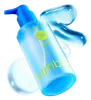
This mild gel cleanser is made to cleanse while calming and soothing your skin.
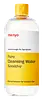
This mild micellar makeup remover is made to dissolve makeup, sunscreen, and daily buildup.

What's inside
What's inside
 Key Ingredients
Benefits
Concerns
No concerns
Ingredients Side-by-side
Centella Asiatica Leaf Water
Skin Conditioning


Water
Skin ConditioningDipropylene Glycol
HumectantPEG-6 Caprylic/Capric Glycerides
EmulsifyingButylene Glycol
Humectant
1,2-Hexanediol
Skin Conditioning
Carbomer
Emulsion StabilisingPoloxamer 184
EmulsifyingPolyglyceryl-4 Caprate
EmulsifyingArginine
Masking
Caprylyl Glycol
Emollient
Pentylene Glycol
Skin Conditioning
Hydroxyacetophenone
Antioxidant
Panthenol
Skin Conditioning
Allantoin
Skin Conditioning
Ethylhexylglycerin
Skin ConditioningSodium Phytate
ChelatingSodium Hyaluronate
Humectant

Ectoin
Skin Conditioning
Cynanchum Atratum Extract
Skin ConditioningGlycine
Buffering
Serine
Masking
Glutamic Acid
Humectant
Aspartic Acid
Masking
Leucine
Skin ConditioningBHT
Antioxidant
Alanine
Masking
Lysine
Skin ConditioningTyrosine
MaskingPhenylalanine
Masking
Proline
Skin Conditioning
Valine
MaskingThreonine
Isoleucine
Skin ConditioningHistidine
Humectant
Methionine
Skin ConditioningCysteine
Antioxidant
Centella Asiatica Extract
Cleansing
Beta-Glucan
Skin Conditioning
Asiatic Acid
Skin Conditioning
Asiaticoside
Antioxidant
Madecassic Acid
Skin Conditioning
Madecassoside
Antioxidant
Centella Asiatica Leaf Water, Water, Dipropylene Glycol, PEG-6 Caprylic/Capric Glycerides, Butylene Glycol, 1,2-Hexanediol, Carbomer, Poloxamer 184, Polyglyceryl-4 Caprate, Arginine, Caprylyl Glycol, Pentylene Glycol, Hydroxyacetophenone, Panthenol, Allantoin, Ethylhexylglycerin, Sodium Phytate, Sodium Hyaluronate, Ectoin, Cynanchum Atratum Extract, Glycine, Serine, Glutamic Acid, Aspartic Acid, Leucine, BHT, Alanine, Lysine, Tyrosine, Phenylalanine, Proline, Valine, Threonine, Isoleucine, Histidine, Methionine, Cysteine, Centella Asiatica Extract, Beta-Glucan, Asiatic Acid, Asiaticoside, Madecassic Acid, Madecassoside
Water
Skin ConditioningDipropylene Glycol
HumectantPropanediol
Solvent
Polyglyceryl-4 Caprate
Emulsifying1,2-Hexanediol
Skin Conditioning
Polyglyceryl-3 Cocoate
Emulsifying




Polyglyceryl-6 Caprylate
EmulsifyingCaprylyl Glycol
Emollient
Gluconolactone
Chelating




Disodium EDTA
ChelatingSodium Citrate
BufferingMethylpropanediol
SolventPyrus Communis Flower Extract
Skin ConditioningCapryloyl Salicylic Acid
Exfoliating

Tromethamine
BufferingBenzyl Glycol
SolventCetyl Ethylhexanoate
EmollientSodium Hyaluronate Crosspolymer
Humectant
Cetearyl Olivate
Ethylhexylglycerin
Skin ConditioningSorbitan Olivate
Emulsifying
Water, Dipropylene Glycol, Propanediol, Polyglyceryl-4 Caprate, 1,2-Hexanediol, Polyglyceryl-3 Cocoate, Polyglyceryl-6 Caprylate, Caprylyl Glycol, Gluconolactone, Disodium EDTA, Sodium Citrate, Methylpropanediol, Pyrus Communis Flower Extract, Capryloyl Salicylic Acid, Tromethamine, Benzyl Glycol, Cetyl Ethylhexanoate, Sodium Hyaluronate Crosspolymer, Cetearyl Olivate, Ethylhexylglycerin, Sorbitan Olivate
Reviews
Ingredients Explained
These ingredients are found in both products.
Ingredients higher up in an ingredient list are typically present in a larger amount.
1,2-Hexanediol is a synthetic liquid and another multi-functional powerhouse.
It is a:
- Humectant, drawing moisture into the skin
- Emollient, helping to soften skin
- Solvent, dispersing and stabilizing formulas
- Preservative booster, enhancing the antimicrobial activity of other preservatives
Caprylyl Glycol is a humectant, skin conditioner, emollient, and preservative booster derived from either caprylic acid or synthetically created.
Typical use levels vary from 0.3-1% as a preservative booster and go up to 2% to condition skin.
Because it is not a free-fatty acid, this ingredient is fungal acne safe (there's nothing for Malassezia to feed on).
Learn more about Caprylyl GlycolDipropylene Glycol is a synthetically created humectant, stabilizer, and solvent.
This ingredient helps:
Dipropylene glycol is technically an alcohol, but it belongs to the glycol family (often considered part of the ‘good’ alcohols). This means it is hydrating and gentle on skin unlike drying solvent alcohols like denatured alcohol.
As a masking agent, Dipropylene Glycol can be used to cover the smell of other ingredients. However, it does not have a scent.
Studies show Dipropylene Glycol is considered safe to use in skincare.
Learn more about Dipropylene GlycolEthylhexylglycerin is created from glycerin. It is a multitasker ingredient that:
The CIR Expert Panel found minimal skin absorption or sensitization of any kind in a safety assessment. Though this ingredient is considered well-tolerated, a small number of cases of allergic dermatitis have been published since 2002. Just be sure to patch test if you are unsure.
Industry-reported use ranges from 8% in rinse-off products and 2% in leave-on formulations.
Learn more about EthylhexylglycerinPolyglyceryl-4 Caprate comes from Capric Acid and Polyglycerin-4. It is an emulsifier.
Emulsifiers help stabilize a product. They do this by preventing ingredients from separating, such as oils and water which do not mix naturally.
Water. It's the most common cosmetic ingredient of all. You'll usually see it at the top of ingredient lists, meaning that it makes up the largest part of the product.
So why is it so popular? Water most often acts as a solvent - this means that it helps dissolve other ingredients into the formulation.
You'll also recognize water as that liquid we all need to stay alive. If you see this, drink a glass of water. Remember to stay hydrated!
Learn more about Water

